
What If Apple Suddenly Couldn't Make iPhones? One Supplier Problem Could Disrupt Production Worldwide
Apple's global supply chain creates scale but also exposure to disruptions. Here are the risks investors and consumers should understand.

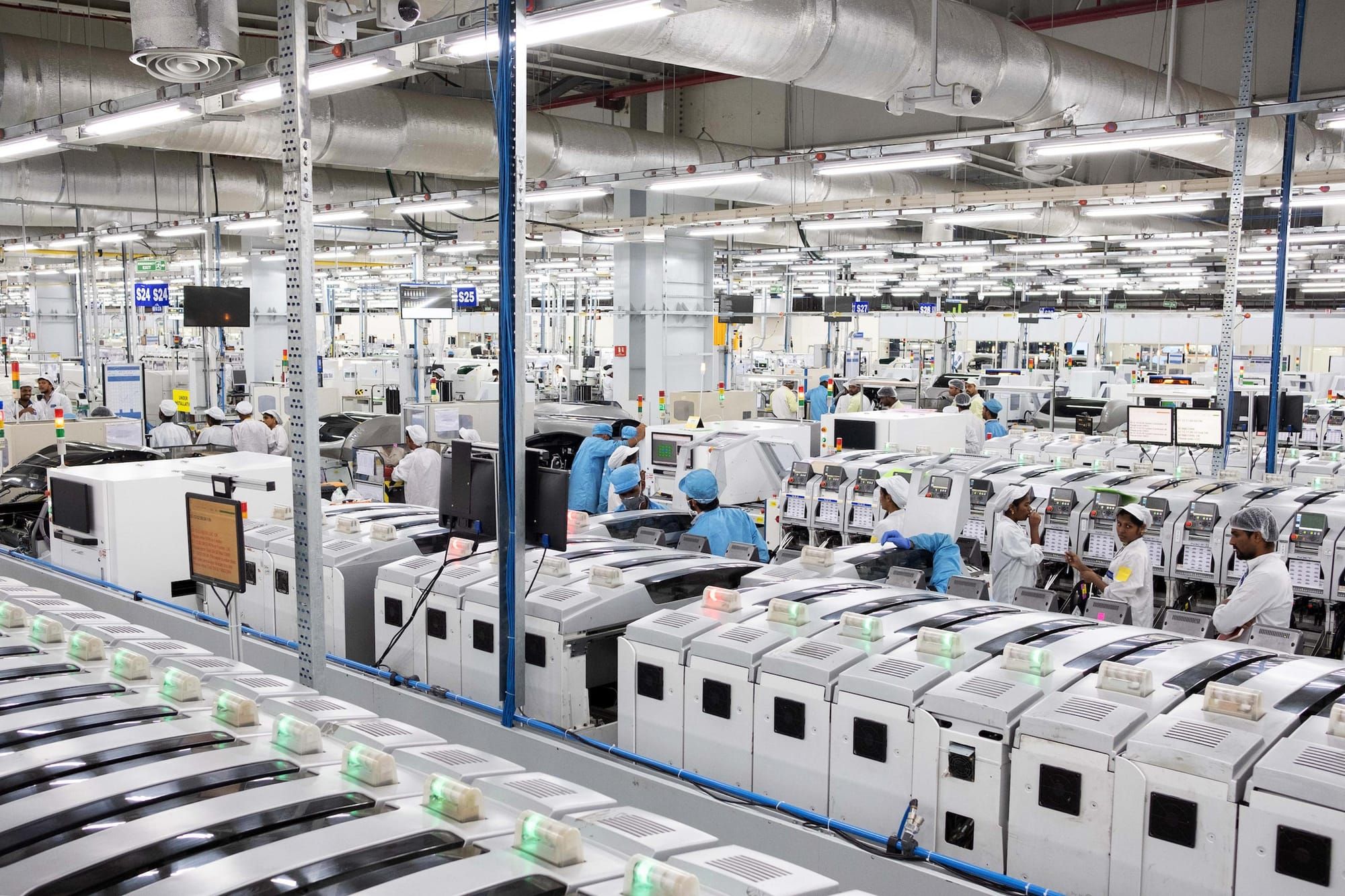
YEET Magazine — Apple suppliers
What If Apple Suddenly Couldn't Make iPhones? One Supplier Problem Could Disrupt Production Worldwide
What would happen if one of Apple's biggest suppliers suddenly stopped delivering parts? iPhone production could slow down, product launches could face delays and customers could wait longer for new devices. Apple depends on factories and suppliers across several countries, and its 2026 annual report confirms that some important components come from only one or a few suppliers. That creates a real risk if something goes wrong.
Apple makes some of the world's most popular phones, computers and other devices. But the company does not make every part itself. It relies on outside businesses to produce components, assemble products and move them around the world.
This system helps Apple make millions of devices. But it also creates a problem: if one important supplier cannot deliver, Apple may struggle to finish products even when everything else is ready.
So what happens if a factory closes, a chip shortage gets worse or a major shipping route is blocked? This is why Apple's supplier network matters. Follow YEET Magazine's coverage of Apple suppliers, factories and manufacturing for more updates.
What Happens If One Apple Supplier Suddenly Stops Delivering?
One missing part can stop an entire production line. An iPhone needs many different components, including its processor, memory, screen, cameras, battery and other electronic parts.
Imagine that Apple has enough screens, batteries and cameras to make thousands of phones, but its supplier cannot deliver an essential chip. The other parts may be ready, but the phones cannot be completed without that chip.
This is why a problem at one supplier can affect more than one factory. Apple may need to slow production, use parts from its existing stock or find another company that can make the missing component.
Finding a replacement is not always easy. A new supplier must meet Apple's technical requirements, produce parts that work properly and prove that it can deliver enough of them.
Apple's 2026 Form 10-K confirms that some components come from single or limited sources. The company also reports supply problems and rising costs for advanced semiconductors, memory and storage.
Why Does Apple Depend on So Many Suppliers?
Apple's products contain parts made by different companies. Some businesses make chips, others produce screens, cameras, batteries or storage components. Other partners assemble the finished products and help deliver them to customers.
Working with specialist manufacturers allows Apple to produce devices on a huge scale. It also gives the company access to technology and factory capacity without having to own and operate every facility itself.
But there is a downside. Apple does not control every factory or every part of the delivery process. If a supplier has a problem, Apple may have limited control over how quickly that problem can be fixed.
Some parts are also specially designed for Apple products. They may not be easy to replace with a standard component from another manufacturer.
This becomes even more important as demand for advanced chips increases. Companies building AI systems, computers and smartphones are competing for some of the same manufacturing resources. Read more about why the global AI chip shortage could get worse in 2027.
Where Are Apple's Main Manufacturing Partners Located?
Apple works with manufacturing partners in several countries. Its 2026 annual report identifies partners in China, India, Japan, South Korea, Taiwan and Vietnam, as well as suppliers and facilities in the United States.
Many Apple products are assembled by outside partners in Asia. These businesses handle major parts of the manufacturing process, helping Apple produce large numbers of devices.
Using factories in different countries gives Apple access to more workers, equipment and manufacturing skills. It can also help the company expand production when demand increases.
However, having suppliers in several countries does not mean every part can be made anywhere. Some components still depend on a small number of specialist manufacturers.
Apple also says that relying on outside manufacturing and logistics partners can reduce its direct control over production, product quality and deliveries.
Could a War or Trade Problem Disrupt Apple's Production?
Yes. A war, trade restriction or major political dispute could make it harder for Apple and its suppliers to move parts between countries.
For example, new export restrictions could limit access to certain chips or materials. A trade dispute could make components more expensive. A conflict could also interrupt transport routes or affect factories in an important manufacturing region.
Apple's 2026 annual report identifies geopolitical tensions, international trade restrictions and problems in important supply regions as risks to its business.
The risk is not limited to factories directly affected by a conflict. Suppliers in other countries may also depend on parts, materials or equipment that come from the affected region.
Semiconductors are a good example. Making advanced chips requires specialist factories, equipment and technical knowledge. Building new production capacity takes time, so another manufacturer may not be able to replace a disrupted supplier immediately.
Apple's work on new technology also makes access to reliable components important. Read why Apple, Google and other technology companies are investing in on-device AI.
Could a Factory Shutdown Affect More Than One Apple Product?
Yes. Some suppliers make parts that are used in different products. If one of those suppliers stops production, the problem could affect more than one Apple device.
A factory shutdown could happen because of severe weather, a power failure, a fire, a transport problem or a regional emergency. Even if other factories remain open, they may not have enough spare capacity to replace the missing production.
There can also be problems with the materials needed to make components. Apple identifies rare earths and other raw materials as part of the supply risks facing its business.
These problems can happen at the same time. A factory may be ready to restart, but it could still be waiting for materials or equipment. A supplier may have the parts, but transport problems could prevent them from reaching the assembly plant.
How Can Apple Protect Itself From Supplier Problems?
Apple can take several steps to reduce the risk of production delays. None of them can prevent every possible problem, but they can help the company respond when something goes wrong.
- Find backup suppliers: Having another company ready to make an important part can reduce dependence on one supplier.
- Keep spare parts: Holding extra stock can help production continue when deliveries are delayed.
- Use factories in more countries: Spreading production across different locations can reduce the risk of relying too heavily on one region.
- Watch suppliers closely: Knowing where parts and materials come from can help Apple spot problems earlier.
- Plan different delivery routes: Alternative shipping arrangements can help when normal routes are blocked.
- Build more production capacity: Working with additional manufacturers can give Apple more options when demand rises or a supplier has problems.
But these changes cannot happen overnight. A new supplier needs the right equipment, trained workers and the ability to meet Apple's standards. Moving production to another country can also take a lot of money and planning.
Apple itself warns that finding alternative suppliers and changing manufacturing arrangements can be difficult. Having a backup plan is useful, but it does not guarantee that production can continue without delays.
Could a Global Crisis Make iPhones Harder to Buy?
Yes. If a major supplier stops delivering or a manufacturing region is badly affected, Apple could have fewer products available.
Customers might notice longer delivery times, fewer models in stock or delays to a new product launch. If parts become more expensive, Apple could also face higher production costs.
That does not mean every iPhone, iPad or Mac would disappear from shops. Different products use different parts and may be made by different suppliers. A problem affecting one component could hit one product more than another.
The impact would depend on how serious the disruption is, how long it lasts and whether Apple can get the missing parts from another source.
Apple's 2026 annual report identifies supply shortages, supplier dependence and international disruptions as business risks. It does not say that a worldwide manufacturing shutdown is about to happen. It shows why the company needs to prepare for problems that could affect production.
What Does Apple's 2026 Annual Report Say About Supplier Risks?
Apple's 2026 Form 10-K gives investors a clear picture of the problems that could affect its supply chain. The company identifies several risks:
- Some important parts come from only one supplier or a small number of suppliers.
- Advanced chips, memory and storage are facing supply shortages and higher costs.
- Most of Apple's manufacturing is handled partly or entirely by outside partners.
- Many of its manufacturing partners are based in Asia.
- Trade restrictions and political tensions could affect the supply of parts and raw materials.
- Finding replacement suppliers or moving production can take time and money.
These are not just outside predictions. They are risks Apple describes in its own annual report. The company is telling investors that supplier problems, shortages and international disruptions could affect its ability to make and deliver products.
Apple also publishes information about the companies and factories behind its products on its official Supply Chain website.
For more stories about the companies making Apple's products, visit the YEET Magazine Apple suppliers section.
Frequently Asked Questions
What Happens If One of Apple's Suppliers Suddenly Stops Delivering?
Apple could struggle to make certain products if a key supplier stops delivering an essential part. Even if every other component is ready, one missing part can hold up the entire production line. The impact depends on how quickly Apple can find another supplier.
Does Apple Have Backup Suppliers for Every iPhone Part?
No. Apple says some parts come from just one supplier or a small number of suppliers. If one of them has a problem, finding a replacement may take time because the new supplier must meet Apple's quality and production standards.
Could Moving Factories to Other Countries Protect Apple?
It could help, but it would not solve every problem. Making products in more countries reduces dependence on one location. However, setting up new factories, finding suppliers and moving production takes time and money.
Where Are Apple's Main Manufacturing Partners Located?
Apple works with manufacturing partners in China, India, Japan, South Korea, Taiwan and Vietnam, as well as suppliers and facilities in the United States. Many of its products are assembled by partners in Asia.
What Happens If Apple Runs Out of Chips or Memory?
Apple could face delays making iPhones, computers and other devices. Its 2026 annual filing identifies advanced chips, memory and storage as components facing supply pressures and rising costs. If enough parts are not available, production could slow down.
Could a Chip Shortage Delay the Next iPhone?
Yes. If Apple cannot get enough of the chips needed for a new iPhone, production could fall behind schedule. That could mean longer waits for customers or fewer phones available at launch. The actual impact would depend on available stock and whether other suppliers could help.
Related Coverage
Could demand for AI chips make it harder for technology companies to get the parts they need? Read AI Chip Shortage 2027: Why Demand Could Make the Global Shortage Worse.
Find out why Apple and Google are changing the way AI works on phones and computers in What Is On-Device AI? Why Apple, Google and Other Tech Companies Are Investing in It.
Follow more stories about Apple's manufacturing partners through the Apple suppliers coverage archive.
Sources:
Apple 2026 Form 10-K — Annual Report and Risk Factors
Apple — Supply Chain