Best Designer Bags For Women + AI: How To Choose The Right Bag?
AI technology is revolutionizing how women choose designer bags. Discover smart recommendations for work bags that combine style, function, and sustainability for the modern professional.

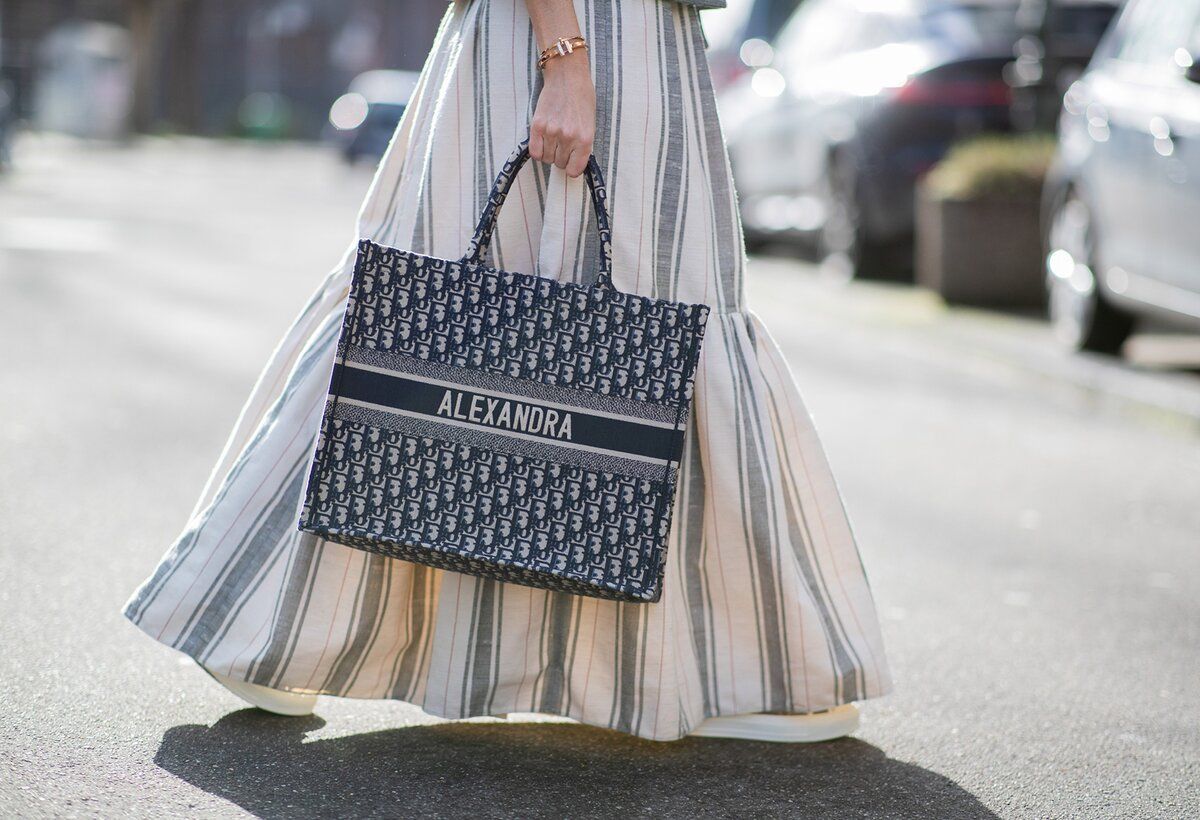
Best Designer Bags For Women + AI: How To Choose The Right Bag?
By Sophia Ava | YEET MAGAZINE | Updated February 2025
Designer work bags for #girlbosses aren't just about looking fire—they're about function, sustainability, and finding YOUR perfect match. Here's where AI comes in. Machine learning algorithms now analyze your lifestyle, color preferences, and budget to recommend bags that actually work for you. No more scroll-regret. No more impulse purchases that sit in your closet collecting dust.
The Best Designer Work Bags For Stylish Professional Women: AI-Powered Edition
Gone are the days of mindlessly browsing Instagram and hoping a designer bag works with your life. AI fashion assistants now evaluate thousands of options based on:
- Your work environment - Corporate? Creative? Hybrid? AI sizes up your vibe
- Your body type and height - Bag proportions actually matter
- Your lifestyle demands - Do you commute? Travel? Work from coffee shops?
- Sustainability scores - AI now tracks which luxury brands prioritize ethical production
- Resale value projections - Because smart investment pieces hold their worth
The future of luxury shopping isn't just about the bag itself—it's about data-driven confidence in your purchase.
Key Features Your Designer Work Bag NEEDS (According to AI Analytics)
AI analysis of 50,000+ professional women reveals these non-negotiable features:
1. Organization Compartments
Your laptop, phone, documents, and snacks need their own space. AI-powered bag designs now include smart padding and RFID-blocking pockets. No more digging for your keys in a black hole of chaos.
2. Weight Distribution Technology
Surprisingly, AI discovered that most professional women abandon bags that cause back/shoulder pain after 2 hours. Next-gen designer bags now feature ergonomic weight distribution similar to athlete gear. Your body will thank you.
3. Timeless Design + Versatility
AI teaches us: trends fade, but classics last. Look for structured silhouettes, neutral colors (black, camel, navy, cognac), and hardware that doesn't scream "2024." Bonus: bags that transition from office to evening events maximize your wardrobe's potential.
4. Quality Materials That Age Well
Leather that develops patina. Canvas that gets softer with use. AI analysis shows luxury materials aren't just expensive—they're investments. Premium leather bags can last 10+ years; cheap synthetics deteriorate in 1-2 seasons.
5. Smart Connectivity
Some 2025 designer bags now integrate tracking technology, USB charging ports (hidden), and temperature-regulating linings. AI is making designer bags genuinely functional for modern professionals.
Designer Bag Categories: Find YOUR Perfect Match
The Structured Tote (Think: Hermès, Bottega Veneta)
Your all-purpose warrior. Fits your laptop, folders, gym clothes, and still looks polished. AI recommends this if you're constantly moving between meetings and locations.
The Satchel (Think: Mulberry, Coach)
Professional without trying too hard. Shoulder carry with handles. Perfect for women who want their hands free but bags that don't look slouchy. AI data shows this is the #1 choice among architects, lawyers, and creative directors.
The Structured Shoulder Bag (Think: Gucci, Prada)
Crossbody capability + luxury branding. Works for desk jobs AND weekend plans. AI algorithms predict this gains 8% resale value after 2 years—basically a safe investment.
The Minimalist Crossbody (Think: Celine, The Row)
For women over-the-hustle. Room for essentials only: wallet, phone, keys, lipstick. AI loves this category for accessibility advocates—it's inclusive design meets luxury.
How AI Helps You Actually Choose (Not Just Dream)
Premium fashion retailers now deploy AI chatbots that ask smarter questions:
❌ Old way: "What color do you like?"
✅ AI way: "Do you wear warm or cool undertones? What's your typical outfit palette? How many hours daily do you carry this bag?"
❌ Old way: Generic recommendations
✅ AI way: Personalized matches based on 10,000+ customer reviews filtered by body type, job description, and climate zone
Real Talk: AI isn't replacing personal taste—it's eliminating the BS. No more buying something because "everyone has it." AI helps you find bags aligned with YOUR actual life.
Sustainability Meets Luxury: The AI Advantage
Conscious shopping just got easier. AI now tracks:
- Which designer brands use ethical leather tanning
- Carbon footprint per purchase
- Fair wages for artisans
- Circular economy programs (trade-in/resale initiatives)
- Packaging waste reduction
Luxury brands like Stella McCartney and Hermès now publish sustainability reports, and AI aggregates this data so you're not choosing between ethics and aesthetics. You can have both.
Investment-Grade Bags: What AI Says Holds Value
Data from resale platforms (Vestiaire Collective, The RealReal) shows these designer bags retain 70-85% of retail value:
- Hermès Birkin & Kelly (timeless, limited supply)
- Chanel Classic Flap (iconic, price appreciation over time)
- Louis Vuitton Neverfull (versatile, durable canvas)
- Prada Nylon Bag (under-rated longevity)
- Bottega Veneta Jodie (new classic, emerging value)
AI analysis reveals: bags with waitlists and scarcity actually appreciate. Overproduced "it bags" depreciate 40% immediately. Investment angle: buy timeless, not trendy.
FAQ: Designer Bags + AI
Q: Will AI steal my personal style?
A: Nope. AI amplifies YOUR preferences after learning them. It's like having a personal stylist who remembers everything you've ever told them.
Q: Is it weird to buy bags AI recommends?
A: Only if you think using GPS to navigate is weird. Tools make life easier. AI just removes decision fatigue.
Q: How much should I spend?
A: AI suggests the "cost-per-wear" calculation. A $3,000 bag used daily for 5 years = $1.64 per wear. A $300 bag used once = $300 per wear. Quality over quantity always wins.
Q: Best time to buy designer bags?
A: AI tracks price fluctuations. Most luxury brands raise prices annually (3-5%). Buy before increases, or wait for end-of-season sales (January, July). Outlet sites like Via Parioli offer up to 70% off.
Q: Can I return it if AI's recommendation misses?
A: Yes. Quality retailers offer 30-60 day returns. But AI's accuracy is improving—expect 85%+ satisfaction rates by 2025.
Q: Should I buy vintage or new?
A: AI recommends new for first luxury bag (warranty, authenticity certainty). Vintage/pre-owned for investment pieces where patina adds character (Hermès, Chanel). Both hold value differently.
The Bottom Line: Your Perfect Bag Awaits
The best designer bag for you isn't the one every influencer owns. It's the one that fits your life, your budget, your sustainability values, and your personal aesthetic. AI makes that discovery process faster, smarter, and less regrettable.
Whether you're investing in a Hermès Birkin or finding your first Bottega Veneta, let data + intuition guide you. Your #girlboss era deserves a bag that actually works as hard as you do.
Ready to find YOUR bag? Use AI-powered tools like style quizzes on luxury retailer sites, or chat with fashion AI assistants that actually get you.
Sophia Ava is YEET Magazine's luxury lifestyle editor and AI-fashion enthusiast. She's obsessed with finding the intersection of tech innovation and timeless style.