
How Did America Lose Its Global Appeal? The Hegemony That Is Slipping Away
American soft power and alliance cohesion have eroded. Polling across more than a hundred countries shows declining approval, while rivals and partners alike adjust to a more contested order.

YEET Magazine
How Did America Lose Its Global Appeal? The Hegemony That Is Slipping Away
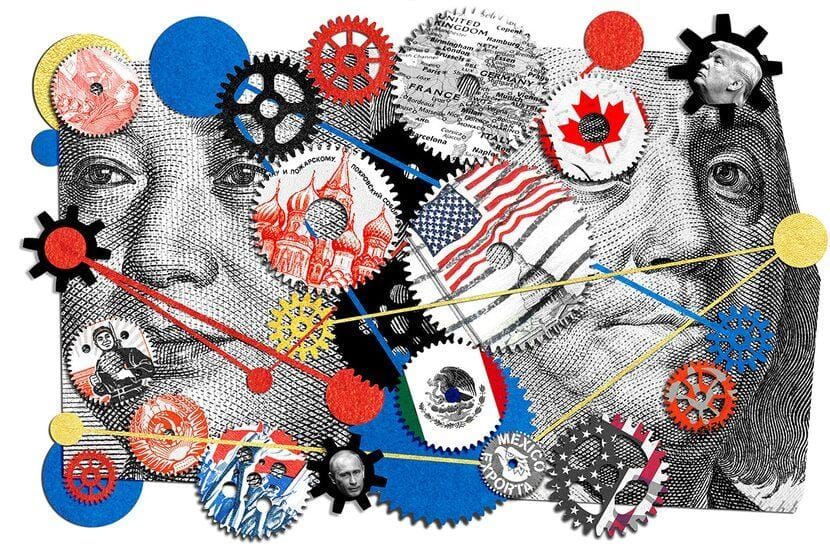
America lost its global appeal because it stopped leading by consent and started leading by coercion. The shift did not happen overnight, but it accelerated in recent years. The world noticed.
The polling data is stark. Cross-national surveys covering roughly 130 countries have shown the United States losing ground in overall approval relative to China in multiple regions. In parts of the Global South, American leadership is increasingly viewed as self-interested rather than stabilizing. Even among traditional allies, trust in American consistency has declined.
The causes are structural and political. Decades of military interventions without clear victories eroded the perception of competence. The use of financial sanctions as a primary foreign-policy tool made the dollar both powerful and politically toxic. Domestic polarization made American foreign policy look unpredictable from one administration to the next. Allies began to hedge. Partners began to diversify. Rivals began to offer alternatives.
The military posture remains formidable. Hundreds of bases and unmatched power-projection capability still underwrite the formal order. But formal order is not the same as legitimacy. When countries follow American preferences because they fear the consequences of refusal rather than because they share the goals, the foundation of hegemony is already cracking.
The currency dimension is central. Dollar dominance still exists, yet the political will to reduce exposure to American financial power is rising. For the resource and currency contest behind these shifts, see why the petrodollar matters and the conflict that defines this decade.
None of this means American power has collapsed. It means the era of relatively low-cost leadership is ending. Maintaining influence now requires more resources, more concessions, and more explicit bargains than it did a generation ago.
What do you think? Is the erosion of American global appeal reversible, or has the system already moved into a multipolar phase that cannot be reversed? Share your answer.
Sources: Gallup; YEET Magazine