
How to Fix Histamine Intolerance Through the Gut: A Complete 5-Step Protocol
A 5-step protocol to fix histamine intolerance through the gut: heal the lining, reduce bacteria, support DAO, add quercetin, and cut high-histamine foods.

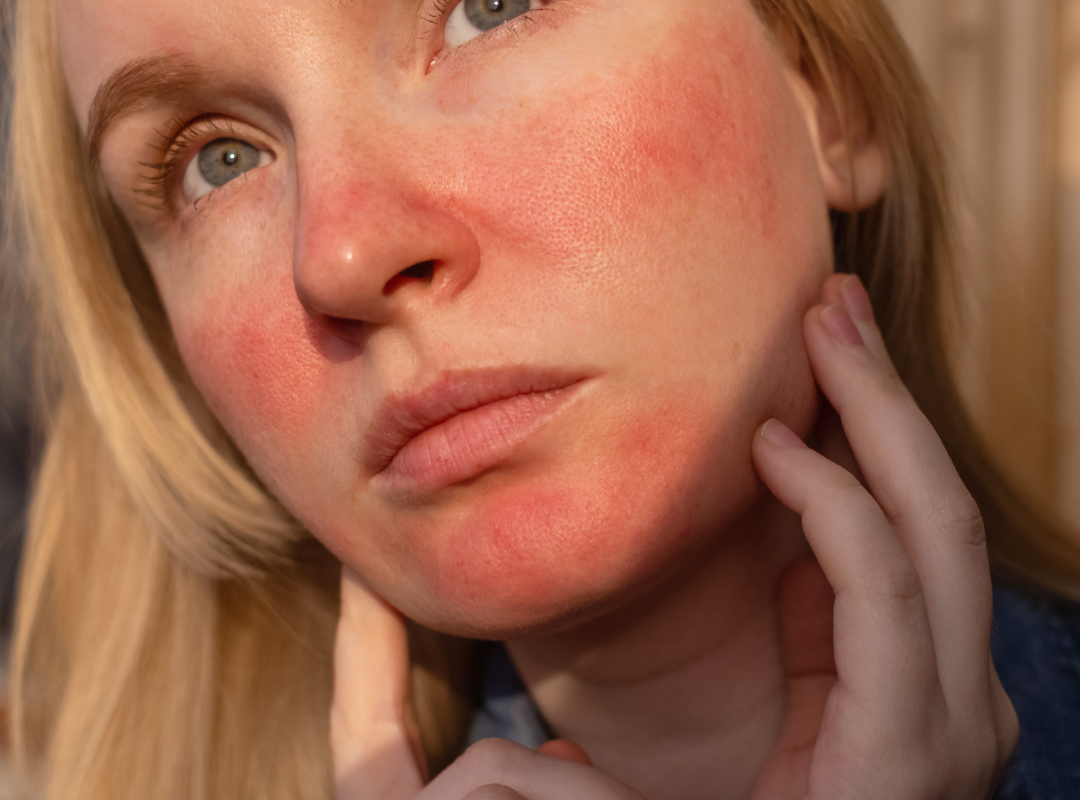
How to Fix Histamine Intolerance Through the Gut: A Complete 5-Step Protocol
Histamine intolerance is not something you have to manage forever. For many people, it is something you can actually fix. The real solution is not endless food avoidance — it is repairing the gut so the body can break down histamine on its own again. Here is the practical 5-step protocol that functional practitioners use.
According to the Cleveland Clinic and the Functional Gut Clinic, the goal of treatment is to restore the gut’s ability to produce the DAO enzyme while simultaneously lowering the total histamine load. This is not an overnight fix. It usually takes weeks to several months of consistent work. But when done properly, it works.
Step 1: Heal the Gut Lining to Restore DAO Production
The first and most important step is repairing the enterocytes — the cells that line the small intestine and produce DAO. When these cells are damaged, DAO levels drop and histamine intolerance symptoms worsen.
The three core nutrients for gut lining repair are:
- Zinc (especially zinc carnosine) — supports barrier repair and acts as a cofactor for DAO
- L-glutamine — the primary fuel that enterocytes need to regenerate
- Collagen — supplies the structural amino acids (glycine, proline, hydroxyproline) that rebuild the intestinal wall
Research and clinical experience show that consistent use of these nutrients can reduce intestinal permeability and support the return of healthy DAO production.
For a deeper look at this step, read our guide on healing your gut lining with zinc, L-glutamine, and collagen.
Step 2: Reduce Histamine-Producing Bacteria in the Gut
The second step targets dysbiosis — the imbalance that allows histamine-producing bacteria to overgrow. Certain bacteria, including members of the Enterobacteriaceae family, Proteus, Staphylococcus, and Enterococcus, convert the amino acid histidine into histamine.
Small Intestinal Bacterial Overgrowth (SIBO) is one of the most common drivers of excess bacterial histamine. A breath test is often the best starting point. Treating SIBO or broader dysbiosis lowers the internal histamine load and gives the gut lining space to heal.
While treating the overgrowth, it also helps to temporarily reduce high-histamine foods (fermented foods, aged cheeses, cured meats, and alcohol) and increase prebiotic, fibre-rich foods that support beneficial bacteria.
For more on this step, read our guide on reducing the bacteria producing histamine inside you.
Step 3: Support Natural DAO Production with Key Cofactors
Even after the gut lining begins to heal, the body still needs specific nutrients to manufacture DAO efficiently. The most important cofactors are:
- Vitamin B6 (as P5P) — essential coenzyme in histamine breakdown pathways
- Copper — a structural component of the DAO enzyme’s active site
- Vitamin C — enhances DAO activity and helps stabilise mast cells
- Zinc — supports both DAO synthesis and gut barrier repair
Many specialised multi-nutrient complexes combine these cofactors. High-dose supplementation should always be guided by a healthcare practitioner.
For more on this step, read our guide on supporting DAO production with B6, copper, and vitamin C.
Step 4: Add Quercetin-Rich Foods to Stabilise Mast Cells
The fourth step focuses on natural mast-cell stabilisers. Quercetin is a flavonoid that acts as a natural antihistamine by reducing the release of histamine from immune cells.
The richest food sources of quercetin include:
- Capers — the highest known food source
- Red and yellow onions — especially the outer layers
- Unpeeled apples — most of the quercetin is in the skin
- Dark berries — blueberries, blackberries, cranberries, and dark cherries
- Leafy greens and cruciferous vegetables — kale, broccoli, and Brussels sprouts
Quercetin absorption improves when eaten with healthy fats (such as olive oil) or with vitamin C. Keeping the skins on fruits and vegetables preserves more of the compound.
For more on this step, read our guide on quercetin-rich foods that stabilise DAO naturally.
Quercetin Supplements
Support mast cell stability and healthier histamine balance with quality quercetin supplements.
Price: $19.99
Shop Now on Amazon →Step 5: Temporarily Lower High-Histamine Foods While the Gut Heals
The final step is to reduce the overall histamine burden while the gut is repairing. This usually means temporarily limiting:
- Fermented foods (sauerkraut, kefir, kombucha)
- Aged cheeses
- Cured and processed meats
- Alcohol (especially red wine)
- Leftovers stored for more than a day
This low-histamine phase is not meant to be permanent. Once the gut lining heals and DAO production improves, many people are able to reintroduce these foods in moderation. The purpose is simply to give the body a lower load while the repair work is happening.
Putting the 5-Step Histamine Intolerance Protocol Together
This protocol works because it targets the root causes rather than only the symptoms. Healing the gut lining, reducing histamine-producing bacteria, supplying DAO cofactors, adding quercetin-rich foods, and temporarily lowering dietary histamine all work together to restore the body’s natural ability to handle histamine.
Research from the National Institutes of Health supports this approach, showing that dietary treatment of histamine intolerance can reduce the abundance of histamine-secreting bacteria in the gut. The long-term goal is not lifelong food restriction — it is building a gut that can process histamine normally again.