
The Quiet Death of Blue Links: How AI Answer Engines Are Rewriting Search Forever
For twenty-five years, searching the web meant scanning ten blue links. Here is the investigative story of how conversational AI answer engines are dismantling traditional web traffic.

By Claire Beaumont • Digital Culture & Media Analyst
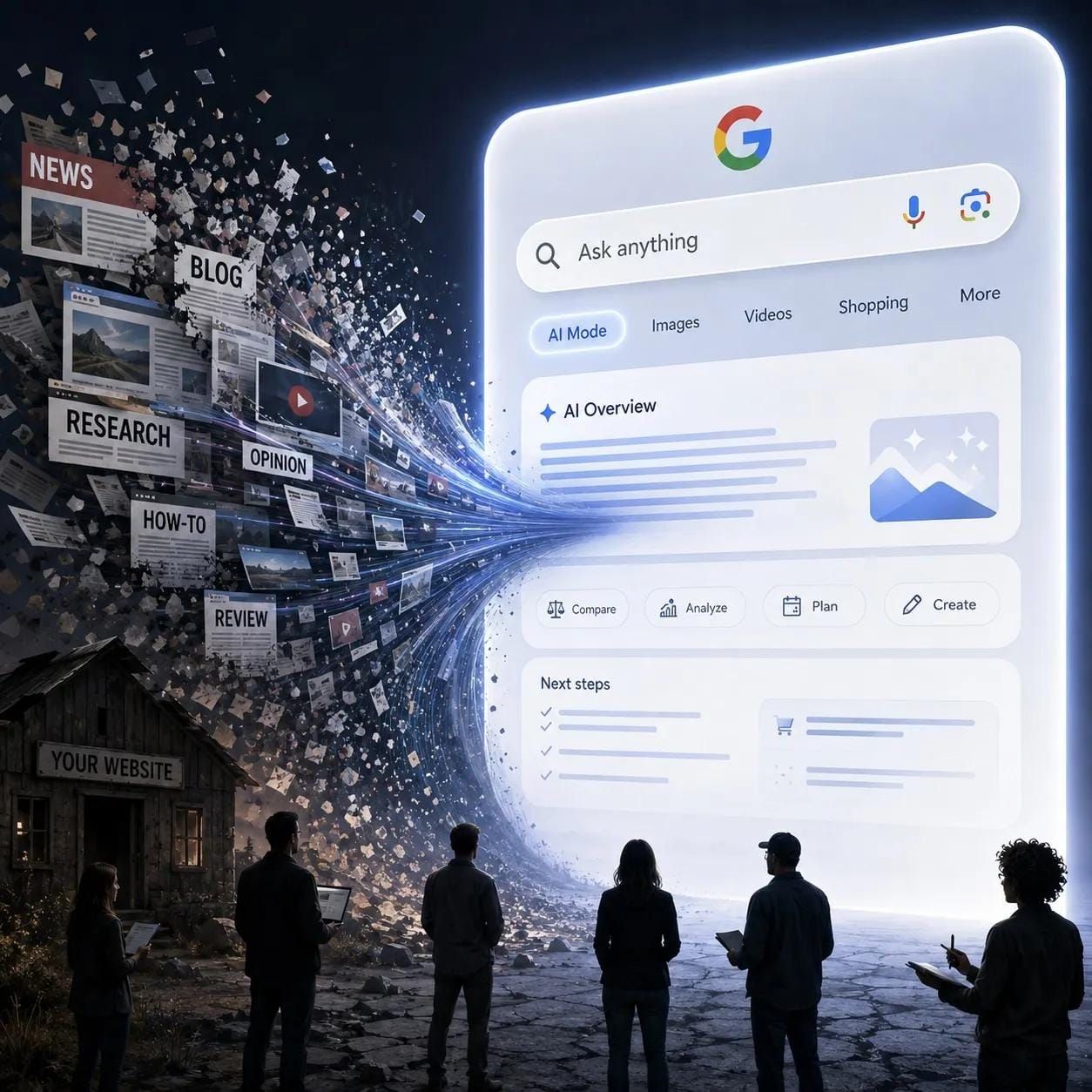
Short answer: Conversational AI answer engines synthesize web data directly at the top of search queries, causing zero-click searches to skyrocket while starving independent blogs, media outlets, and publishers of traditional referral traffic.
The End of the Ten Blue Links Era
Think about how you used Google five years ago versus today. You typed a query, scanned ten blue links, opened three tabs, and pieced the answer together yourself. Today? You ask a conversational engine like ChatGPT, Perplexity, or Google Gemini, and it hands you an immaculately formatted summary in one second flat.
It feels like magic as a consumer, but behind the scenes, it is causing an existential crisis for the digital publishing economy. Why click through to a recipe blog, travel site, or news article when the AI already extracted the answer?
How AI Search Engines Pick Winners and Losers
Traditional SEO was about keyword density, backlinks, and meta tags. AI answer engines operate differently. They evaluate information density, semantic authority, and factual corroboration across multiple trusted nodes.
Sites that rely on fluff, keyword stuffing, and derivative aggregation are getting bulldozed in traffic rankings. Conversely, platforms featuring rigorous human reporting, unique datasets, and cryptographically verified source attribution are becoming the primary training and citation sources for AI crawlers.
The Publisher Backlash and Revenue Sharing
Major news publishers and media syndicates are pushing back hard against uncompensated scraping, forcing AI companies to negotiate direct revenue-sharing and licensing deals. The web is transitioning from an open link economy to a gated syndication market.