
When Will Humanoid Robots Actually Work Inside Regular Homes? The Reality Behind the Hype
Viral videos show humanoid robots folding laundry and pouring coffee—but when will one actually clean your living room? Here is the investigative timeline and engineering reality.

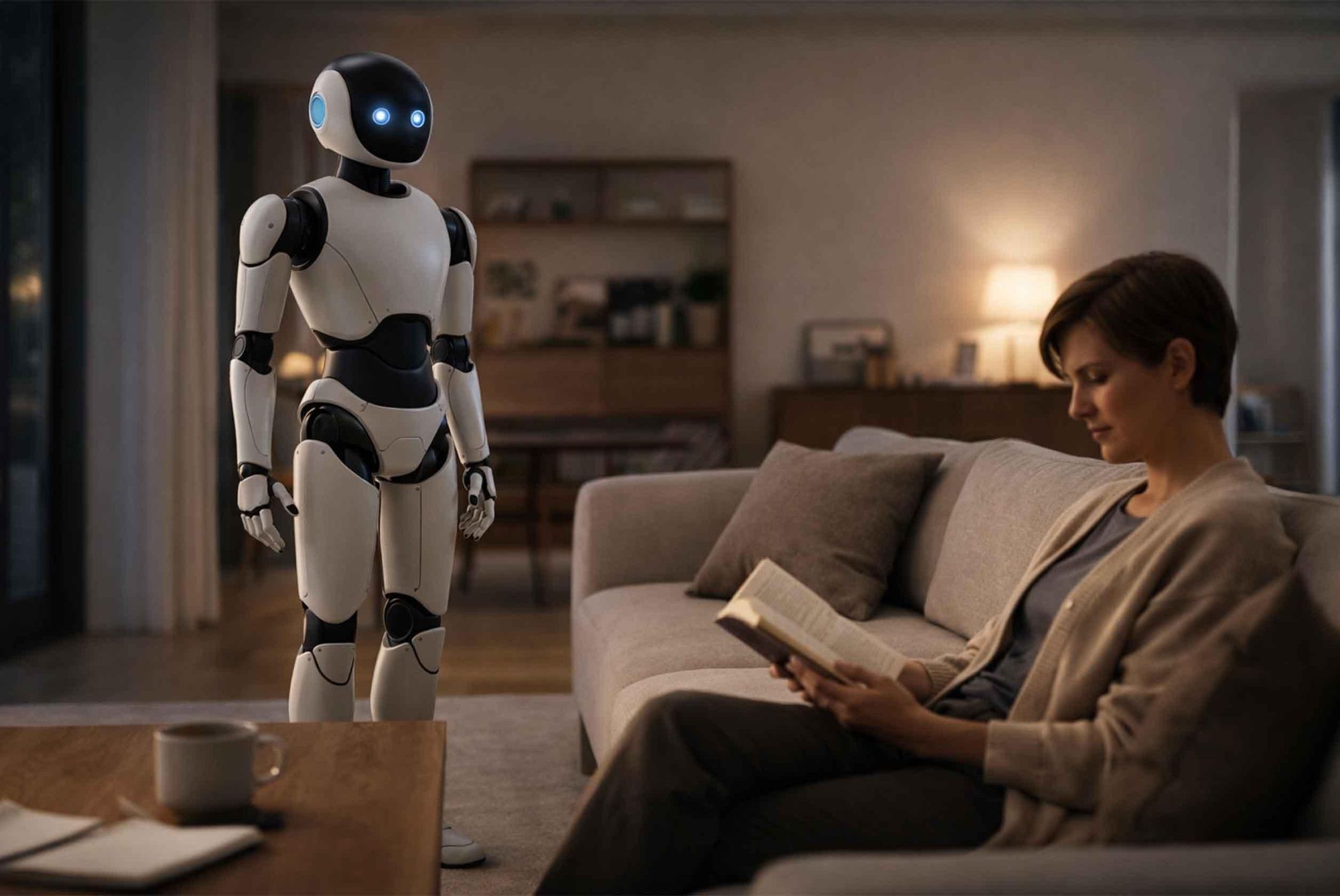
By Mateo Valdés • Emerging Hardware Correspondent
Short answer: While automotive and logistics factories are deploying early humanoid robots on controlled assembly lines, consumer home models remain 3 to 5 years away from commercial viability—projected to launch between $20,000 and $30,000 once battery density, motor durability, and spatial AI safety improve.
hype vs. Reality on the Factory Floor
Let's clear the air: every few months, a robotics company drops a heavily edited promo video of a bipedal robot folding a t-shirt or walking around a lab. It looks cinematic, but robotics engineers will tell you off the record that those demos often run at half-speed, rely on teleoperation (human remote control), or fail after twenty minutes of continuous operation.
However, the capital injection from firms like Tesla, Figure AI, Boston Dynamics, and Sanctuary AI has accelerated hardware maturation faster than any decade in tech history.
Why Your Living Room Is Harder Than an Auto Plant
Factory floors are predictable: flat concrete, structured lighting, and repetitive paths. Your house, on the other hand, is absolute chaos:
- Unstructured Clutter: Stray dog toys, slippery hardwood, liquid spills, and shifting furniture create complex navigation traps.
- Power Density Limits: Bipedal robots consume massive amounts of battery power just to maintain balance. Running for eight hours straight on a lightweight battery pack remains an unsolved physics problem.
- Safety Liabilities: If a 150-pound metal robot trips and falls on a toddler or drops a boiling kettle of water, the liability lawsuits would bankrupt the manufacturer instantly.
The Road to Domestic Utility
Before robots fold your laundry, they will conquer repetitive industrial warehousing tasks. As commercial robot labor scales up in factories, manufacturing volume will steadily slash component costs, paving the way for affordable domestic helpers.