
Invisible Watermarks: Why Cryptographic Credentials Are the New Passport for Real Content
When anyone can generate a hyper-realistic photo in seconds, proving something actually happened requires digital forensics built straight into the camera hardware. Here is how C2PA works.

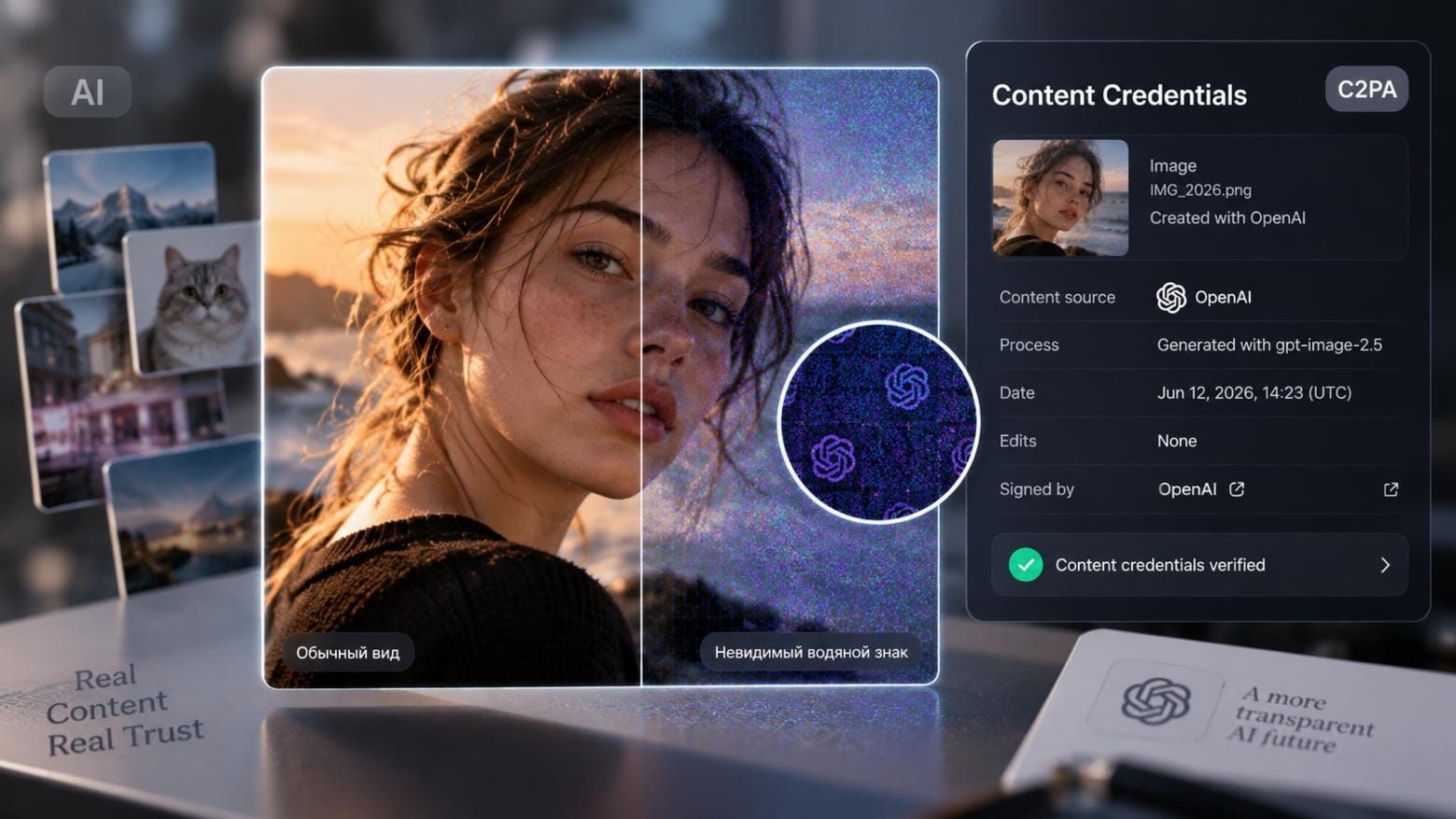
By Amara Okafor • Technology & AI Correspondent
Short answer: Cryptographic content credentials (C2PA) embed an unalterable digital signature directly at the moment a camera shutter clicks or a rendering tool exports a file—allowing newsrooms, platforms, and readers to verify with absolute certainty whether an image or video is authentic or AI-generated.
The Collapse of Visual Trust Online
Let's face facts: we are drowning in an ocean of synthetic sludge. In the past, if a photo of a political crisis or a natural disaster went viral, you could assume a human photographer stood there and captured it. Today, anyone with a laptop can prompt Midjourney or Flux to generate a hyper-realistic disaster photo that fools millions of people in minutes.
Heuristic AI detectors—software that looks for weird pixel noise or wonky fingers—have proven useless because generative models patch those bugs faster than developers can update code. The industry realized that trying to spot fakes after they go viral is a losing game.
How C2PA Content Credentials Solve the Crisis
The Coalition for Content Provenance and Authenticity (C2PA)—backed by Adobe, Microsoft, Intel, Sony, and the BBC—created an open cryptographic standard that acts like a tamper-evident passport for digital media:
- Hardware-Level Root of Trust: Modern mirrorless cameras from Sony, Leica, and Canon feature secure cryptoprocessors that sign every single photo with an immutable private key the millisecond light hits the sensor.
- The Complete Manifest Trail: If a photo is cropped, color-corrected in Photoshop, or published on a news site, every edit is appended to a secure cryptographic manifest. You can inspect the entire history of the file.
- Transparent AI Flags: If an image is generated entirely inside an AI engine, the C2PA manifest explicitly declares it as "Generated with AI," leaving zero room for deception.
Why Publishers and Platforms Are Mandatory Adopters
As social media networks and search engines integrate C2PA viewers, authentic human reporting combined with verifiable cryptographic signatures is becoming the ultimate trust signal online. Readers no longer have to guess—the digital passport built into the file tells the whole story.