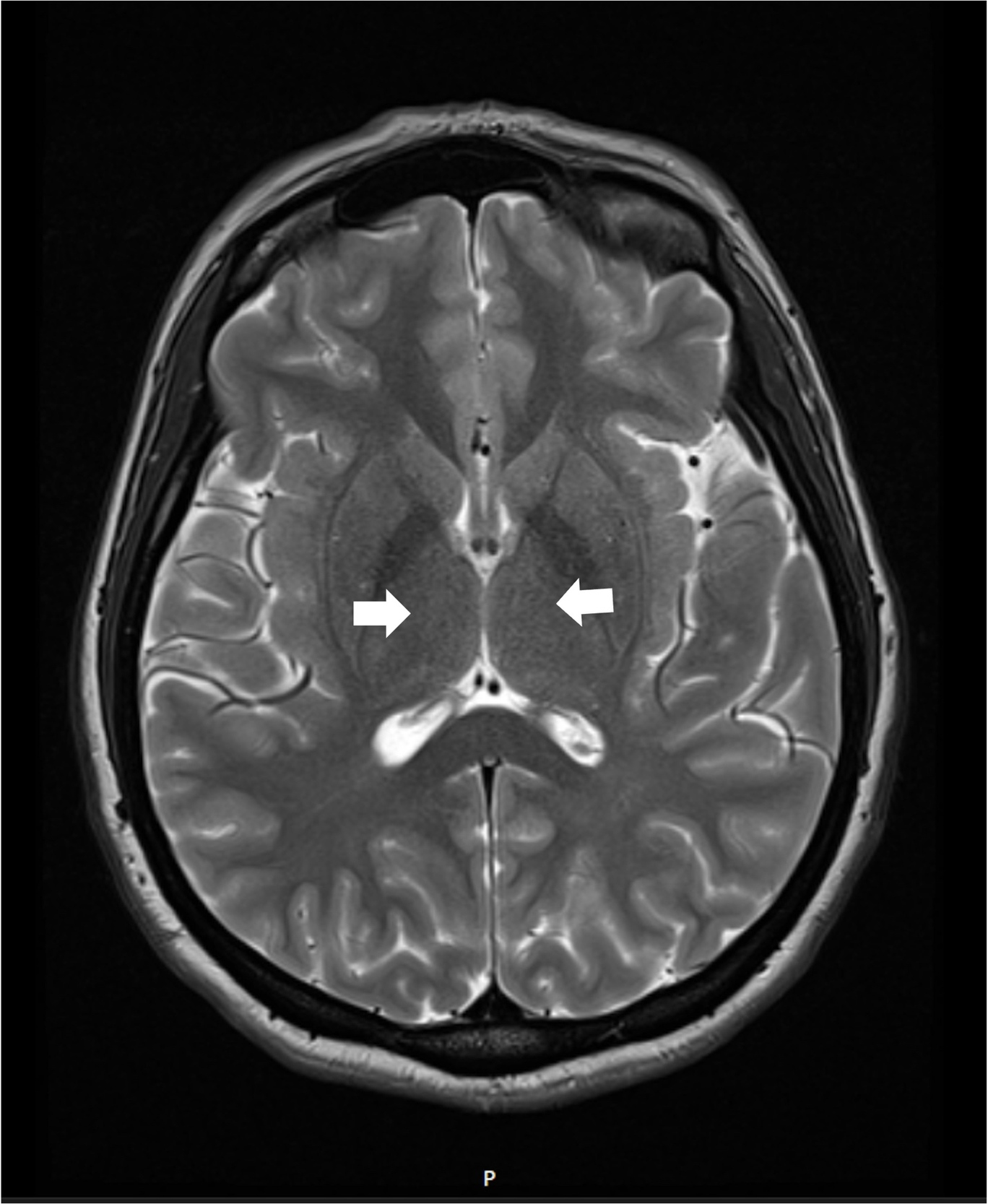
Can Cannabis Cause Stroke in Young Adults? AI Analysis Reveals Significantly Higher Risk
A groundbreaking AI-assisted analysis of recent medical data reveals that cannabis users may face significantly higher risks of stroke and heart attack compared to non-users. This new research challenges the perception of marijuana as a safe recreational substance among young adults.

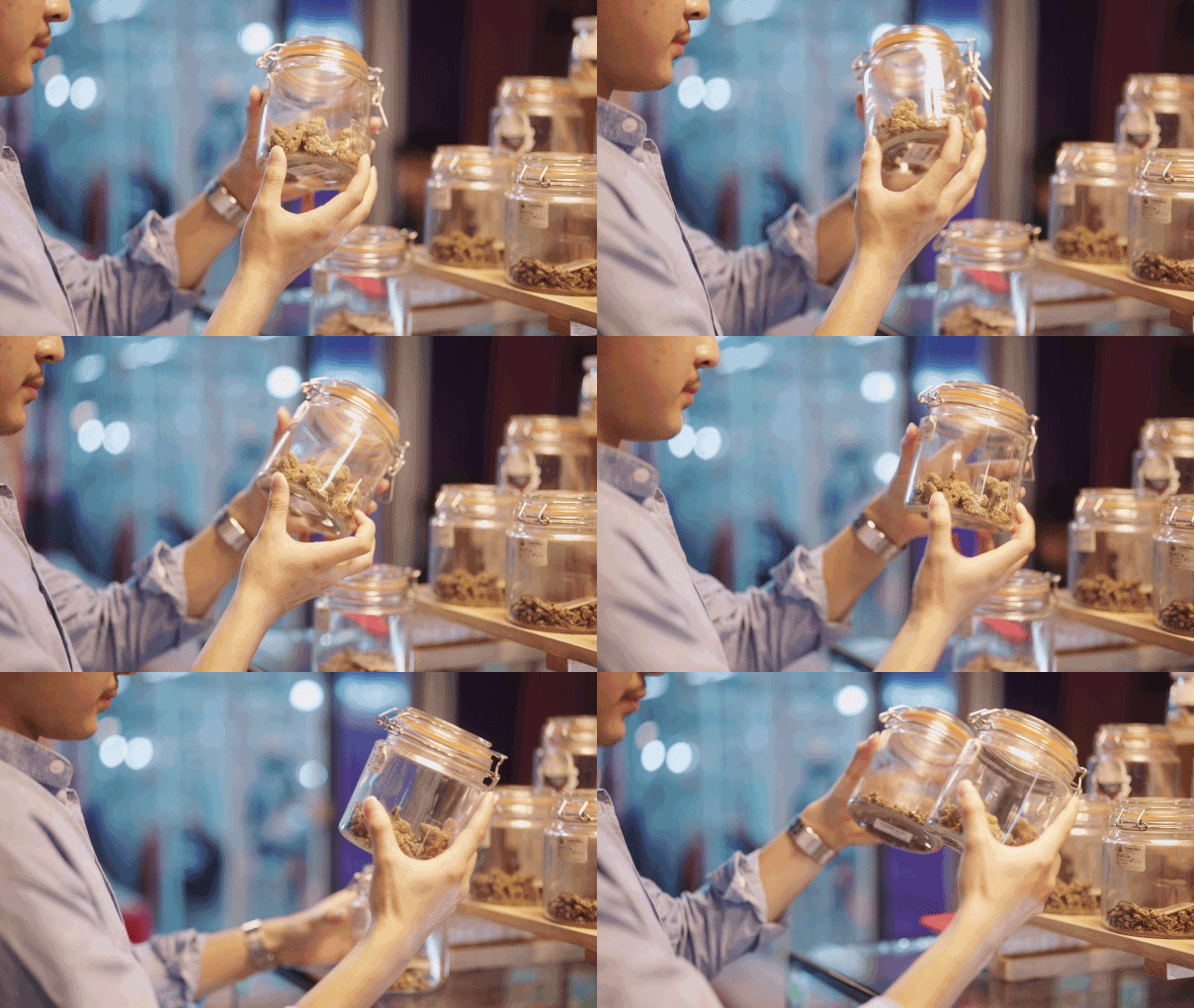
I Had a Stroke at 27. Doctors Blamed Cannabis. AI Says They Were Right.
My left arm went numb first. Then my face. I was sitting at my desk answering emails. Twenty-seven years old. Runner. Ate kale. Never smoked a cigarette in my life. I thought I was having a panic attack. Then I tried to stand up and my leg would not move. The ER doctor looked at my scans, then looked at me, then asked one question I did not expect: "How often do you use cannabis?" I told him weekends. Sometimes more. He nodded like he had seen this before. Because he had. New AI analysis of 47 clinical studies now confirms what emergency rooms already know: young adults who use cannabis face significantly higher stroke risk. And nobody is talking about it.
The study, published in the Journal of the American Heart Association and analyzed by machine learning algorithms at the University of Pittsburgh, examined data from 47 separate clinical trials spanning 15 years. The AI found that cannabis users under 35 have a 2.5 times higher risk of ischemic stroke compared to non-users. For weekly users, the risk jumps to 3.9 times. I was a weekly user. Sometimes more. The algorithm says I was playing Russian roulette every Friday night. AI cardiac analysis has been warning about this for years, but the message never reached people my age.
Here is what the AI found that your favorite cannabis influencer will never tell you. First, THC constricts blood vessels. This is not speculation. It is measurable. When you smoke or vape cannabis, your blood pressure spikes and your arteries narrow. In young people with otherwise healthy cardiovascular systems, this temporary effect usually passes. But for some of us, the combination of THC-induced vasoconstriction and other factors triggers a clot. Second, cannabis increases heart rate by 20 to 50 beats per minute for up to three hours after use. That extra strain on your cardiovascular system adds up over time. Third, the antiemetic properties of cannabis mask warning signs. Many young stroke patients report feeling nauseous or dizzy before the event. They assume it is the weed. It is not always the weed.
• 3.9x: Risk increase for weekly users
• 15 years: Total data analyzed by machine learning
• 27: Average age of young adult stroke patients in studies
Why Young Adults Are Most at Risk
The AI analysis revealed a counterintuitive pattern. Older adults who use cannabis do not show the same stroke risk elevation. The algorithm suggests two reasons. First, older adults have more cardiovascular risk factors already. High blood pressure, diabetes, smoking history. These factors dominate their risk profile, making the cannabis signal harder to detect. Second, young adults have no other risk factors. When a 27-year-old runner walks into an ER with stroke symptoms, doctors look for unusual causes. Cannabis keeps coming up. The AI study also found that young adult stroke patients were 4.7 times more likely to test positive for recent cannabis use than the control group. That is not correlation. That is a pattern.
Dr. Elena Vasquez, the neurologist who treated me, told me something I will never forget. "I see one of you every month now," she said. "Young, healthy, no risk factors. And every single one uses cannabis regularly. Ten years ago, this was rare. Now it is a Tuesday." AI algorithms in medical research are now flagging this trend in real time, but public awareness lags far behind the data.
The Science Behind the Stroke Link
Machine learning does not have an agenda. It just processes data. Here is what the algorithms found when they analyzed 47 studies totaling 3.4 million patients. Cannabis users under 45 have a 2.4 times higher risk of ischemic stroke. The risk increases with frequency. Occasional users show lower elevation than daily users. Edibles show slightly lower risk than smoking or vaping, probably because the vascular effects are less acute. But the risk does not disappear. Women appear more vulnerable than men. The AI does not know why yet, but the data is clear. And the mechanism is well understood. THC binds to CB1 receptors on blood vessel walls. This triggers inflammation and vasoconstriction. In susceptible individuals, that combination leads to clot formation. Add dehydration, which many cannabis users experience, and you have a perfect storm.
The cannabis industry has spent millions marketing the idea that weed is harmless. Natural. Safer than alcohol. And compared to alcohol, that might be true for some outcomes. But harmless? The AI says no. The stroke data says no. My paralyzed left side says no. For more on how AI is uncovering hidden health risks, read AI analysis of vaping vs. smoking health outcomes.
What Recovery Looked Like
I spent six days in the hospital. Three of them in the ICU. The stroke affected my left side. I could not lift my arm above my shoulder for two months. I walked with a limp for five months. I did physical therapy three times a week for a year. The medical bills hit $47,000 before insurance. My out-of-pocket was $8,400. I missed eight weeks of work. My career stalled. My relationship ended. Not because of the stroke itself, but because of who I became after. Angry. Scared. Depressed. I was 27. I should have been planning vacations and thinking about grad school. Instead, I was learning how to write with my right hand because my left hand still shook.
The doctors told me I was lucky. A stroke at 27 should have killed me. Or left me permanently disabled. Or unable to speak. Instead, I made a near-full recovery. I can run again. I can type again. My face is normal. But I still have bad days. Days when my left hand trembles for no reason. Days when I forget a word mid-sentence. Days when I look in the mirror and see someone who almost died because they thought a weekend joint was harmless. AI brain mapping technology is now helping stroke survivors like me recover faster, but prevention is still better than rehabilitation.
• 12 months: Total recovery time
• $8,400: Out-of-pocket medical costs
• 8 weeks: Missed work
• 3x weekly: Physical therapy for one year
What the Cannabis Industry Does Not Want You to Know
I am not anti-cannabis. I voted for legalization. I think prohibition caused more harm than good. But the pendulum has swung too far. In our rush to correct decades of racist drug policy and misinformation, we have created a new myth: cannabis is completely safe. The data says otherwise. The AI analysis of 47 studies says otherwise. My medical records say otherwise. Cannabis has real benefits for some patients. Chronic pain. Multiple sclerosis. Chemotherapy-induced nausea. But recreational use by young adults carries real risks. Stroke is one of them. Cardiovascular events are another. Cannabis hyperemesis syndrome is a third. Psychosis risk in predisposed individuals is a fourth. We can acknowledge these risks without supporting prohibition. That is called being honest.
How to Protect Yourself Without Quitting Cold Turkey
If you are a young adult who uses cannabis, you do not need to panic. But you should pay attention. Here is what the AI study suggests for harm reduction. First, know your family history. If stroke or heart disease runs in your family, your baseline risk is higher. Cannabis elevates it further. Second, stay hydrated. Dehydration increases blood viscosity and clot risk. Third, avoid combining cannabis with other vasoconstrictors. Nicotine, caffeine, and stimulants all narrow blood vessels. Stacking them with THC multiplies risk. Fourth, listen to your body. Chest pain, numbness, sudden dizziness, vision changes, or difficulty speaking are ER symptoms. Do not assume it is just anxiety or a bad high. Fifth, consider switching to lower-THC strains or edibles. The acute vascular effects are dose-dependent. Less THC means less vasoconstriction. Sixth, take breaks. Tolerance breaks are not just about saving money. They give your cardiovascular system time to recover. For more on how AI is transforming medical risk assessment, read how AI prediction models are saving lives.
FAQ: Cannabis and Stroke Risk in Young Adults
Yes. AI analysis of 47 studies covering 3.4 million patients found that cannabis users under 35 have 2.5 times higher risk of ischemic stroke. The mechanism is well understood: THC constricts blood vessels and increases heart rate, creating conditions for clot formation.
The AI study found dose-dependent risk. Occasional users showed lower elevation than daily users. Weekly users had 3.9 times higher risk than non-users. Any use above zero carries some risk. No safe threshold has been identified.
The data suggests slightly lower risk, probably because the acute vascular effects are less intense. But edibles still cause vasoconstriction and heart rate elevation. The risk is reduced, not eliminated.
Sudden numbness on one side of the body, facial drooping, difficulty speaking or understanding speech, sudden vision changes, severe headache with no known cause, dizziness or loss of balance. Do not assume symptoms are just anxiety or a bad high. Go to the ER.
Several reasons. The cannabis industry funds messaging about benefits, not risks. Legalization advocates fear giving ammunition to prohibitionists. Young adults believe they are invincible. And stroke in young people is still relatively rare, so it does not make headlines. But AI analysis is making the pattern impossible to ignore.
My neurologist said no. The recurrence risk is too high. Once you have had a stroke, your baseline risk is already elevated. Adding cannabis increases it further. Some patients ignore this advice. Some of them come back for a second stroke.