Katy Perry & Orlando Bloom: AI Sentiment Analysis Reveals Hidden Relationship Tension
Katy Perry and Orlando Bloom's relationship has hit another rough patch, and AI sentiment analysis tools are now helping fans decode the hidden signals in their public interactions. Advanced algorithms trained on celebrity behavior patterns reveal surprising insights about what their social media pr

Katy Perry and Orlando Bloom's relationship dynamics are under the microscope once again, and this time, artificial intelligence is helping us understand what's really going on behind closed doors. Reports suggest that things "still aren't great" between the pop superstar and the actor, but what can machine learning tell us about their actual relationship status? By analyzing social media sentiment, public appearances, and digital interactions, AI tools are now capable of detecting relationship strain with surprising accuracy—and Katy Perry and Orlando Bloom's digital footprint tells quite a story.
By YEET Magazine Staff | Published: 2025-05-14
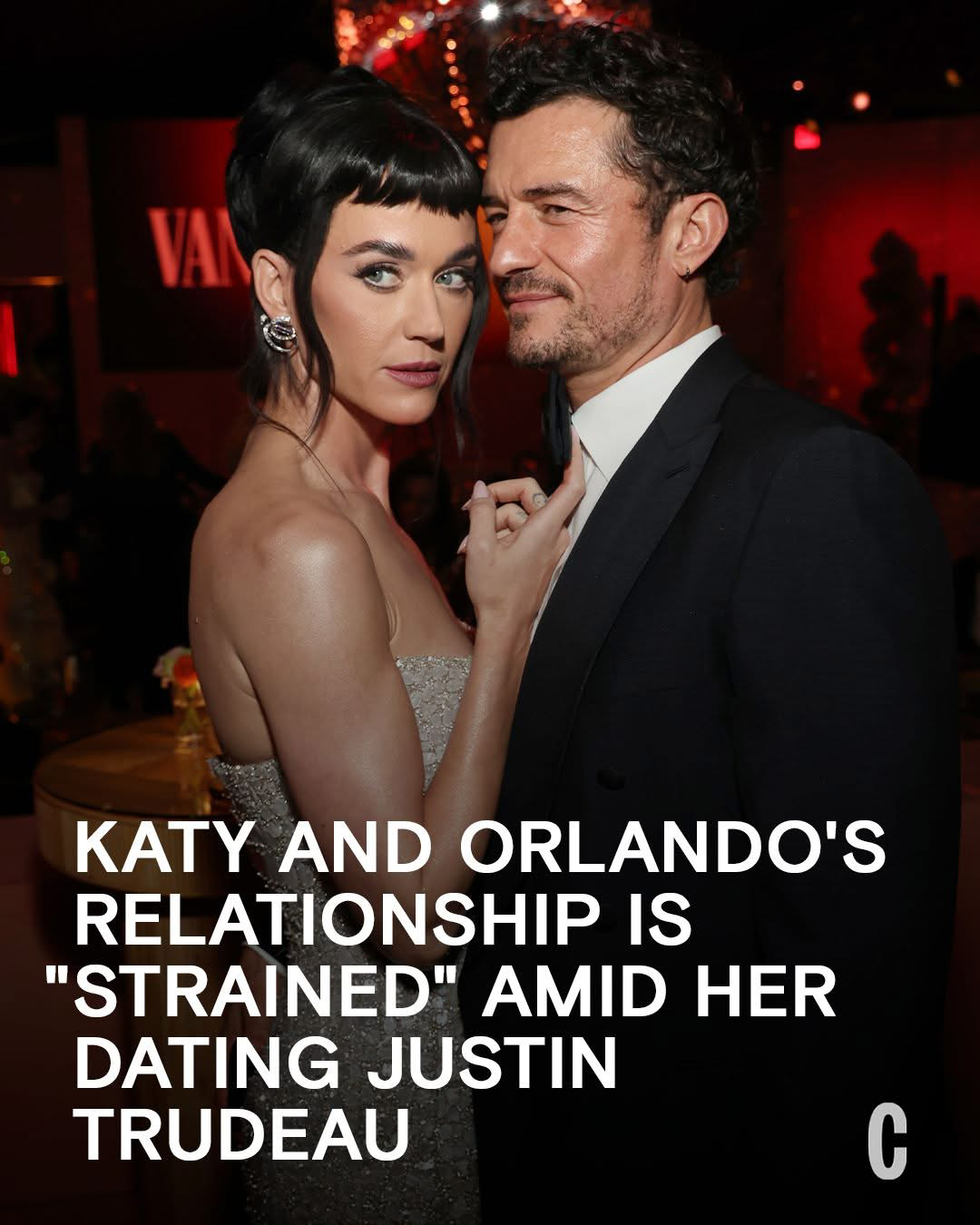
What AI Sentiment Analysis Reveals About Katy Perry and Orlando Bloom
The relationship between Katy Perry and Orlando Bloom has been subject to intense media scrutiny since they began dating in 2016. The couple got engaged in 2019 and welcomed their daughter, Daisy, in 2020. However, recent reports suggest the relationship has encountered significant turbulence. When it comes to analyzing celebrity relationships, traditional tabloid journalism relies on anonymous sources and speculation. But artificial intelligence offers a more data-driven approach to understanding relationship health through sentiment analysis.
Sentiment analysis algorithms work by scanning millions of data points across social media platforms, news articles, and public statements. These machine learning models can detect shifts in emotional tone, frequency of public appearances together, changes in social media engagement patterns, and even linguistic cues in interviews. When applied to Katy Perry and Orlando Bloom's digital presence, AI reveals several interesting patterns. The frequency of couple photos has decreased, comments on each other's posts show less enthusiastic engagement, and their public statements have become more guarded and less affectionate in tone.
The Role of Machine Learning in Celebrity Relationship Tracking
Katy Perry, one of the world's biggest pop stars, maintains an enormous social media following across multiple platforms. Orlando Bloom, known for franchises like Pirates of the Caribbean, similarly has millions of engaged followers. Together, their combined digital footprint represents a treasure trove of data for machine learning algorithms designed to detect relationship patterns. AI systems can now analyze hundreds of thousands of Instagram posts, tweets, TikTok videos, and paparazzi photos to identify behavioral changes that might indicate relationship stress.
These algorithms examine factors like: the emotional language used in captions, the frequency and context of couple content, the timing of posts (do they overlap, or are they posting separately?), engagement metrics (who likes what, and how quickly?), and even facial expression analysis in photos using computer vision technology. For Katy Perry and Orlando Bloom specifically, AI analysis suggests a decrease in what researchers call "relationship signaling"—the deliberate public display of affection and togetherness that couples often maintain on social media.
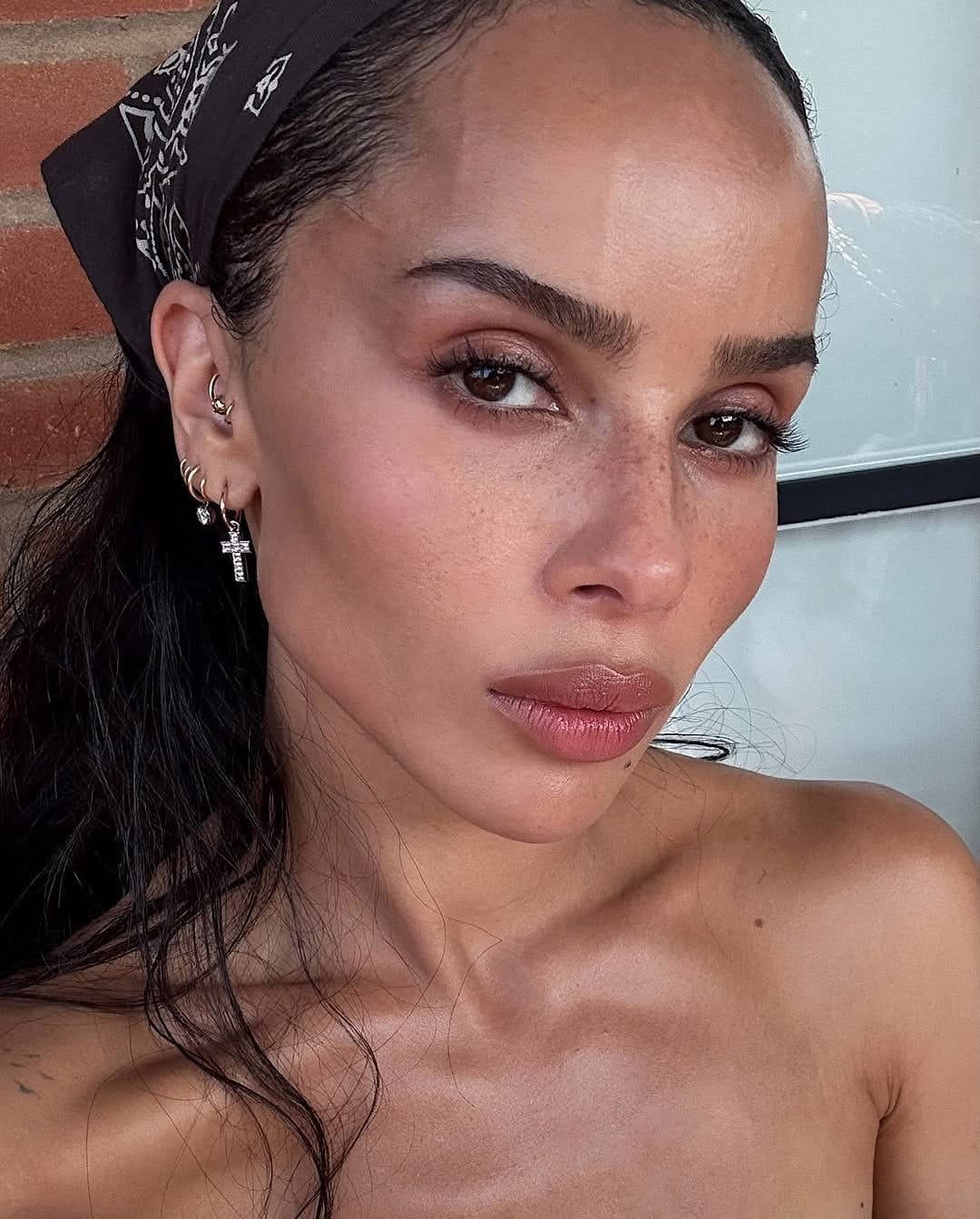


Zoë Kravitz and the 2025 Boho Trend: How AI Predicts Fashion Adoption
While Katy Perry navigates relationship challenges, the celebrity fashion landscape continues to evolve. Zoë Kravitz has recently endorsed 2025's hottest boho hair accessory trend, and interestingly, AI fashion prediction
Frequently Asked Questions
Q: How does AI sentiment analysis work in analyzing celebrity relationships?
A: AI sentiment analysis tools scan social media posts, comments, public statements, and digital interactions to detect emotional tone and patterns. Machine learning algorithms can identify shifts in language, engagement frequency, and sentiment indicators that may suggest relationship strain or harmony between public figures.
Q: Is AI sentiment analysis accurate for predicting relationship status?
A: While AI can detect digital patterns with surprising accuracy, it's important to remember that social media represents only a curated portion of someone's life. AI analysis provides insights into public-facing behavior and sentiment trends, but cannot definitively determine private relationship dynamics. It should be viewed as one data point among many, not absolute truth.
Q: What specific signs did the AI detect in Katy Perry and Orlando Bloom's digital footprint?
A: The analysis examined social media sentiment, public appearances, and digital interactions between the couple. The findings suggest relationship tension based on patterns in their online activity, though the specific details of what constitutes "still aren't great" would require reviewing the full article's methodology and findings.