Photography as Art: How AI Algorithms Are Redefining Louis Daguerre's Legacy
Since Louis Daguerre's groundbreaking daguerreotype in 1839, photography has struggled for recognition as legitimate art. Today, AI algorithms and machine learning are revolutionizing how we evaluate, create, and understand photographic artistry—adding a new chapter to Daguerre's enduring legacy.

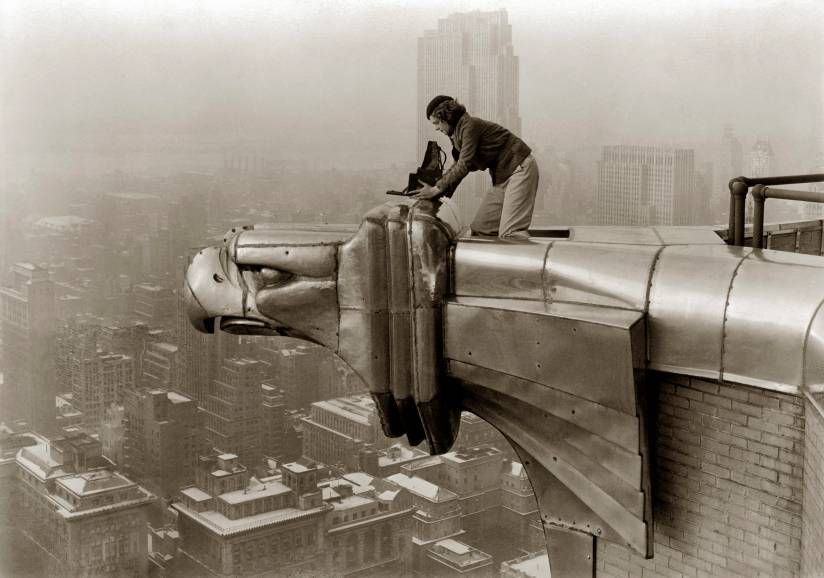
By Rupsa Debnath | YEET MAGAZINE | Updated 0200 GMT (1000 HKT) July 20, 2021
By YEET Magazine Staff | Updated: May 13, 2026 | Originally published: July 17, 2021
In 1839, Louis Daguerre forever changed human civilization when he introduced the world's first practical photographic process. The French inventor and artist was experimenting with innovative ways to capture images on polished copper plates coated with silver iodide when he developed what we now know as the "daguerreotype"—a technical marvel that would spark centuries of debate about whether photography could ever truly be considered art. Today, as artificial intelligence reshapes creative industries and aesthetic evaluation, we find ourselves revisiting Daguerre's original question through an entirely new lens: one powered by algorithms, neural networks, and machine learning systems that are challenging our fundamental understanding of what makes a photograph artistic.
Louis Daguerre's Revolutionary Discovery and the Birth of Artistic Debate
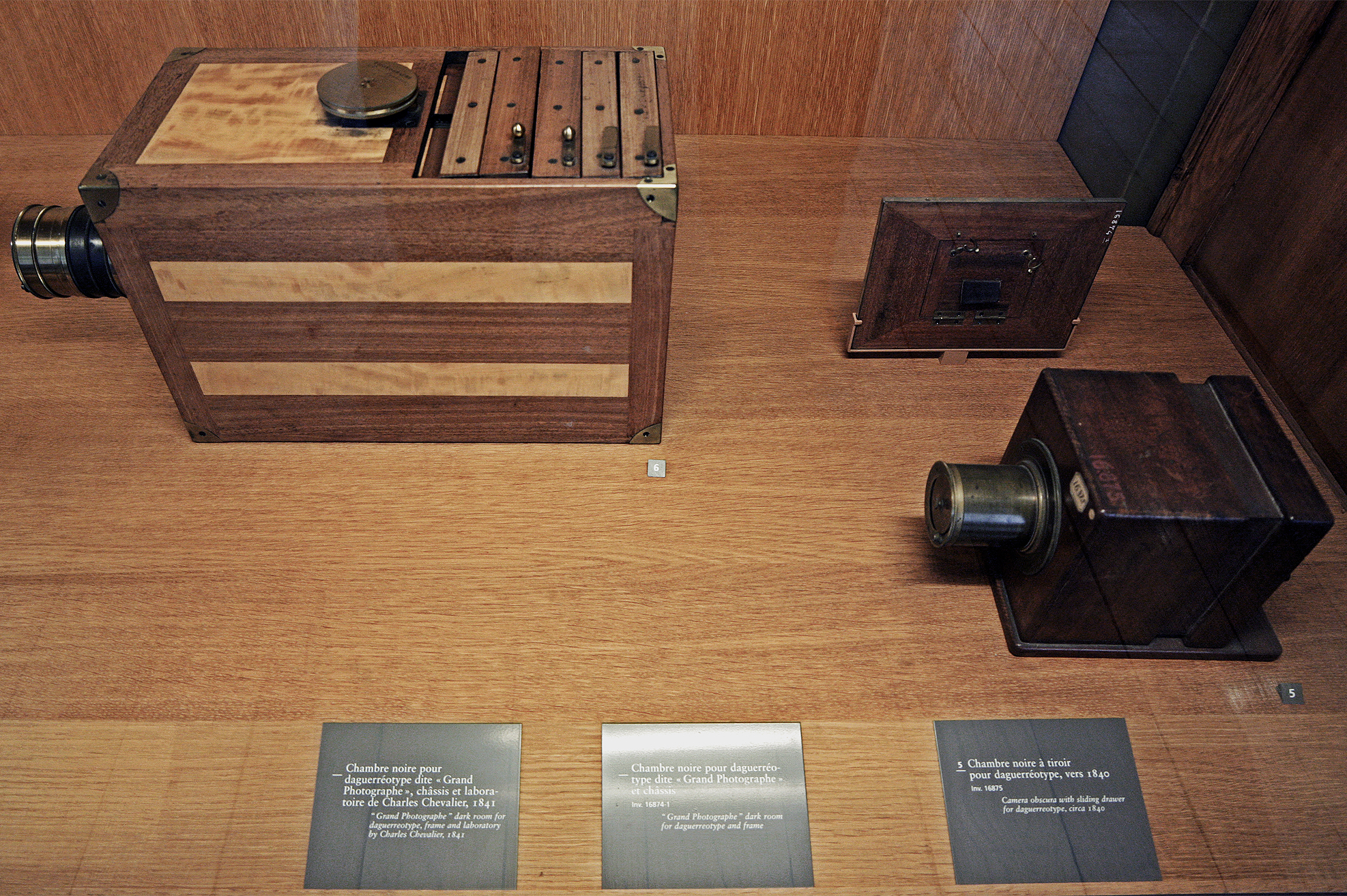
When Louis Daguerre unveiled his daguerreotype process to the French Academy of Sciences in 1839, he had no idea that his technical innovation would generate two centuries of philosophical inquiry. The process itself was remarkable—light-sensitive silver iodide on copper plates would react to light exposure, creating extraordinarily detailed images with an almost mirrorlike quality that seemed to capture reality with unprecedented fidelity. Yet this very realism posed a problem for art critics and aesthetes of the era: if a machine could replicate what the human eye saw, could the result truly be considered art?
The paradox that Louis Daguerre's invention created persists to this day: Is photography an art form because it requires creative vision, composition, and aesthetic judgment? Or is it merely mechanical reproduction, lacking the hand-crafted authenticity that traditionally defined art? The daguerreotype's mirror-like surface seemed to mock the very notion of artistic interpretation. Painters saw photography as a threat. Critics dismissed it as soulless duplication. Yet artists and intellectuals gradually recognized that the photographer—like Louis Daguerre himself—made crucial choices about framing, timing, lighting, and subject matter that transformed mechanical capture into creative expression.
Photography's Evolution: From Daguerre's Plates to Digital Sensors
The technical evolution from Louis Daguerre's daguerreotypes to modern digital photography represents one of history's most dramatic technological transformations. Where Daguerre's process required expensive metal plates, specialized chemicals, and hours of exposure time, contemporary photographers can capture thousands of images in minutes using smartphones with computational photography systems. Yet paradoxically, this democratization of photography—which would have astounded Daguerre—has only deepened the original question about photography's status as art.
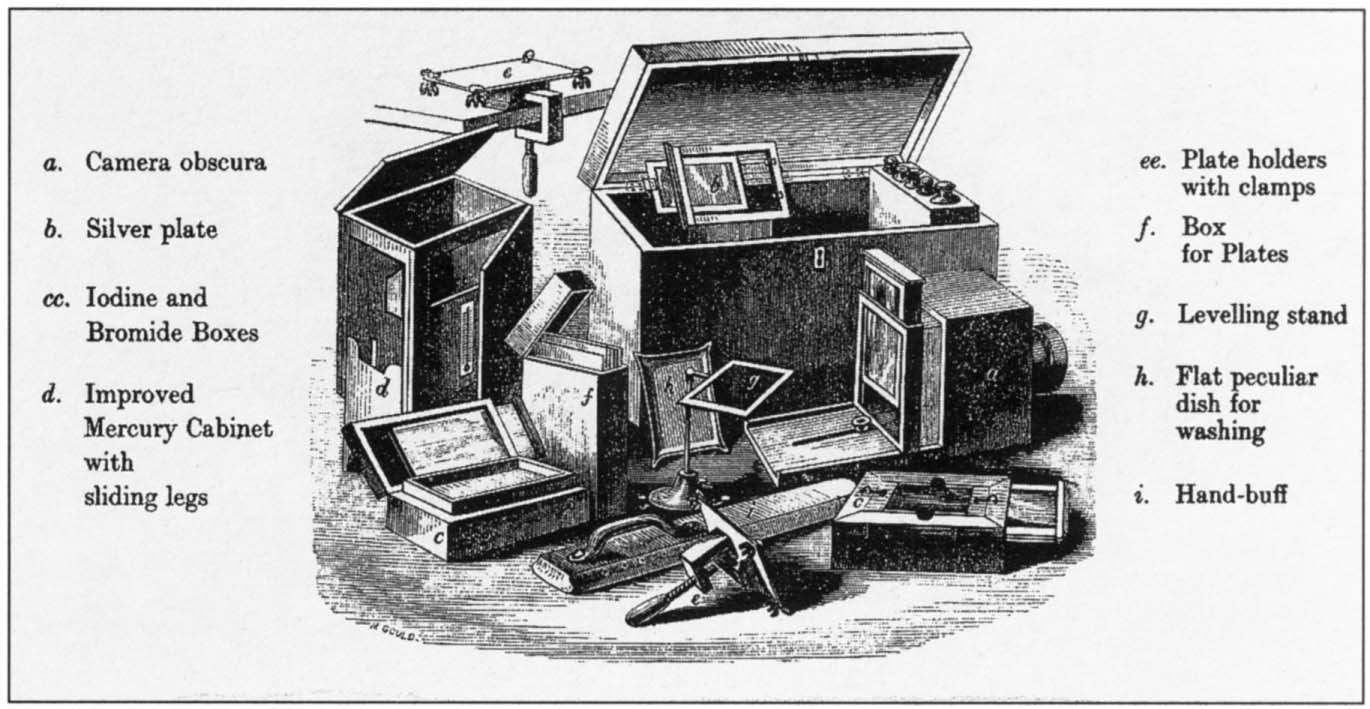
Photography has transformed from the exclusive domain of wealthy professionals with access to Daguerre's expensive equipment into a democratized medium accessible to billions. But this accessibility has paradoxically made the artistic legitimacy question more complex rather than simpler. In the age of Instagram filters, AI-powered enhancement tools, and algorithmic curation, the debate about whether photography qualifies as art has evolved into something entirely new: a question about the role of artificial intelligence in shaping aesthetic standards and creative evaluation.
AI Algorithms Enter the Conversation: Redefining Photography Through Machine Learning
The emergence of artificial intelligence in photography represents a fascinating full-circle moment in Louis Daguerre's legacy. Just as critics once asked whether mechanical reproduction could be art, contemporary photographers and curators now confront an even more complex question: Can AI algorithms evaluate, generate, or enhance photography in ways that expand artistic boundaries rather than diminish them? Machine learning systems trained on millions of images can now identify compositional elements, assess aesthetic appeal, optimize lighting, and even generate photorealistic images from text descriptions.
Modern AI image recognition systems can analyze photographs through the same lens that art historians once applied manually—identifying balance, symmetry, rule-of-thirds composition, color harmony, and emotional resonance. These algorithms don't replace human aesthetic judgment;