
The Hidden Power Grid Crisis: Why Massive AI Data Centers Need Nuclear Energy
Behind every sleek AI chatbot lies a ravenous physical power beast. Here is the untold story of how hyperscale AI data centers are forcing tech giants to buy nuclear reactors.

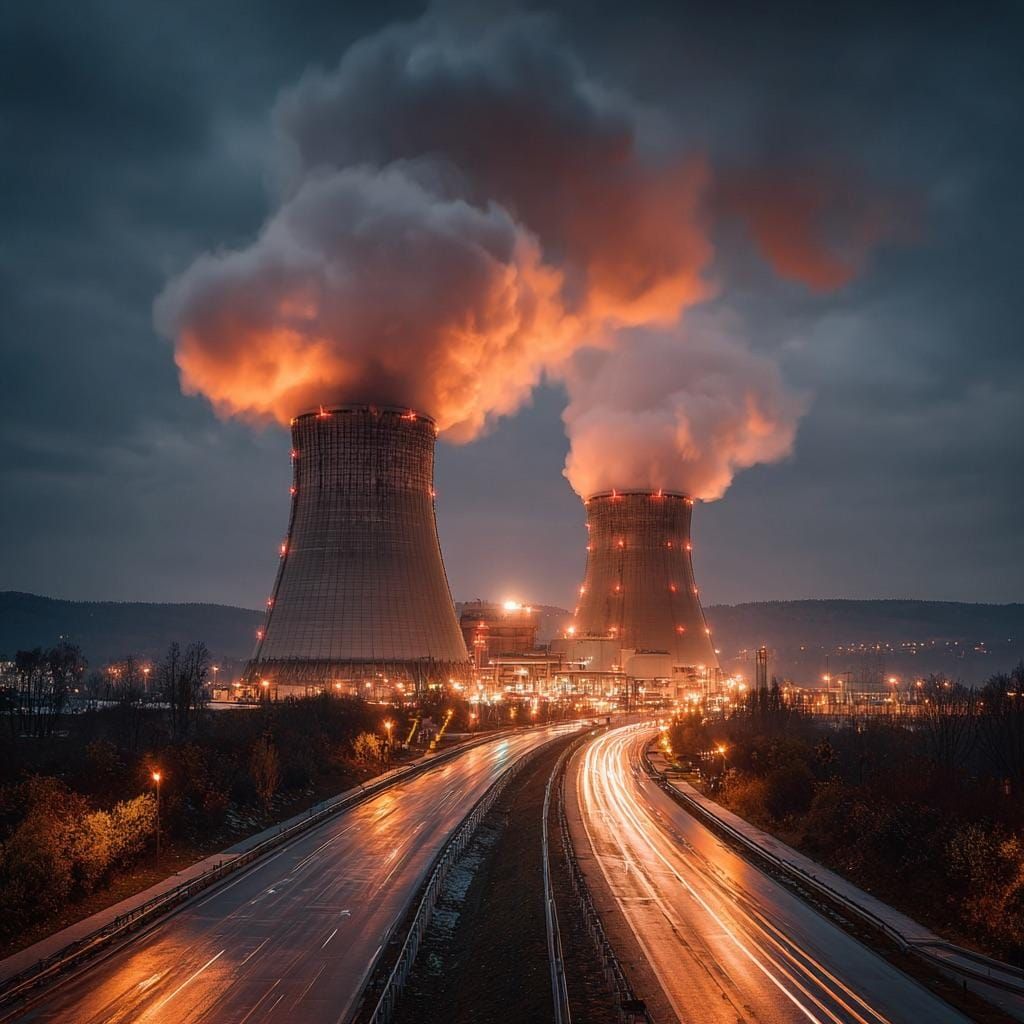
By Kenji Takahashi • Science & Robotics Reporter
Short answer: Training and serving generative AI models requires gigawatts of continuous power—forcing cloud giants like Microsoft, Amazon, and Google to bypass municipal grids entirely and strike direct multi-billion-dollar deals to restart decommissioned nuclear power plants.
When Silicon Valley Met the Laws of Thermodynamics
For two decades, tech bros operated under the illusion that software lived in some magical, weightless cloud. But when OpenAI and Google began stacking hundreds of thousands of NVIDIA H100 and B200 GPUs into massive warehouse-sized data centers, reality hit hard: AI is an industrial heavy-manufacturing process disguised as a software product.
A single complex AI reasoning query consumes roughly ten times more electricity than a standard Google text search. Multiply that by billions of daily global prompts, and you get a power draw equivalent to entire European nations.
Inside the Big Tech Nuclear Scramble
Because traditional municipal coal and gas grids cannot interconnect new data centers fast enough without triggering blackouts or spiking residential utility bills, tech executives went nuclear:
- Microsoft & Three Mile Island: Microsoft signed a historic 20-year power purchase agreement with Constellation Energy to help restart Unit 1 of the infamous Three Mile Island nuclear plant in Pennsylvania.
- Amazon Web Services (AWS): Invested heavily in nuclear-powered data center campuses in Virginia, partnering directly with energy providers.
- Small Modular Reactors (SMRs): Tech firms are pouring venture capital into next-gen nuclear startups like Oklo and TerraPower to site micro-reactors directly next to server farms.
The Geopolitical Energy Race
Energy security is now national security. The nations and companies that control clean, stable baseload power will dictate who wins the global AI supremacy race over the coming decade.