
The Mona Lisa: Mysteries And Secrets Of A Masterpiece
theft of mona lisa when did mona lisa die when did mona lisa died where is the mona lisa located where is the mona lisa located today where is the original mona lisa located which famous artist from western europe is known for painting the mona lisa?

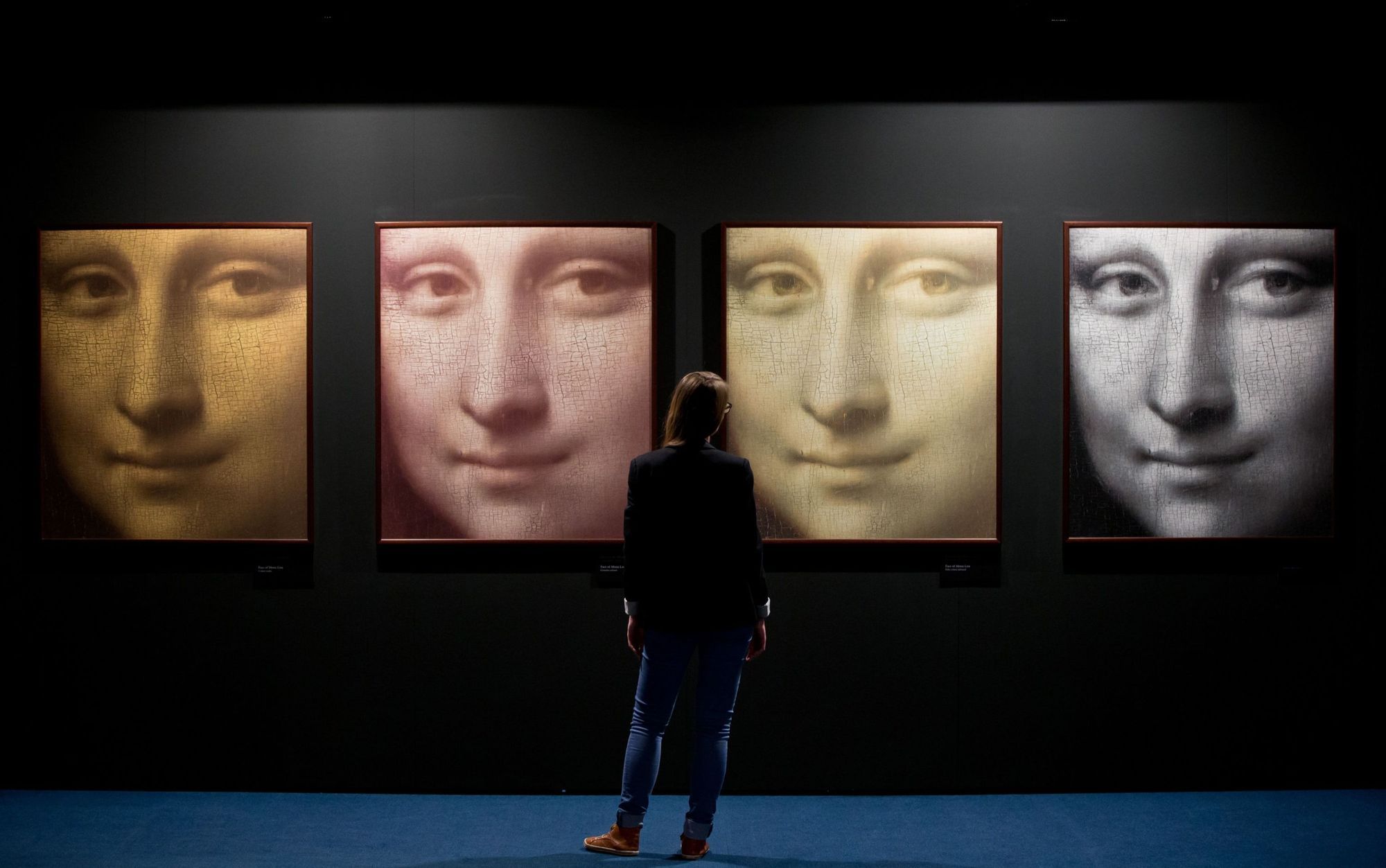
The Mona Lisa: Dark Secrets, Hidden Mysteries, and Why It's So Famous

The Mona Lisa, theft of Mona Lisa, when did Mona Lisa die, where is the Mona Lisa located, where is the original Mona Lisa located, which famous artist from Western Europe is known for painting the Mona Lisa, who drew the Mona Lisa, why is Mona Lisa a masterpiece, why is Mona Lisa so expensive, why is the Mona Lisa so valuable, and why is Mona Lisa painting so famous — these are the questions that have captivated the world for over 500 years. Painted by Leonardo da Vinci between 1503 and 1519, this small oil-on-poplar portrait has become the most famous, most visited, and most written-about work of art in history. But why? What secrets lie behind that mysterious smile? And how did a relatively obscure Renaissance portrait become a global icon? This guide cuts through the myths and delivers the facts, mysteries, and latest discoveries about the world's most famous painting. Read more art history →
Leonardo da Vinci's masterpiece, known in Italian as La Gioconda and in French as La Joconde, is believed to depict Lisa Gherardini, the wife of Florentine silk merchant Francesco del Giocondo. He likely commissioned the portrait around 1503 to celebrate the birth of their second son or their new home. But Leonardo never delivered it. He kept the painting with him until his death in 1519, when it was acquired by King Francis I of France. It has been on display at the Louvre Museum in Paris since 1797, except for a brief period during the 1911 theft and World War II evacuations. Global news →
Shop Mona Lisa Inspired Items
From art prints to unique gifts, explore Mona Lisa-inspired products on Amazon.
Shop Mona Lisa Items on Amazon →The Enigmatic Smile
Mona Lisa's smile is legendary. It seems to flicker — present one moment, gone the next. The Italians have a word for it: sfumato, meaning blurry, ambiguous, and open to interpretation. Leonardo used this technique of blending colors and tones to create soft transitions between light and shadow, giving her face a lifelike, almost otherworldly quality.
According to neuroscientist Margaret Livingstone, Leonardo da Vinci studied the anatomy of the eye and visual perception for a long time to deliberately create confusion between peripheral vision sensitive to "low spatial frequencies" (the dark areas) and central vision sensitive to details: by accentuating the mouth and the smile by reinforcing the shadows on the cheekbones and the jaw, the smile only becomes visible when the peripheral vision focuses outside the perioral region.
In 2005, an emotion recognition software correlated the curvature of the lips and the crow's feet around the eyes to six basic emotions: the smile of the Mona Lisa would translate happiness at 83%, disdain at 9%, fear at 6%, anger at 2%, neutrality at 1% and no surprise percentage.
Discover Renaissance Art
Explore Leonardo da Vinci's genius and the secrets of Renaissance masterpieces.
Shop Renaissance Art Books →The 1911 Theft: How a Crime Made the Mona Lisa Famous
On the morning of August 21, 1911, Vincenzo Peruggia, an Italian handyman who had briefly worked at the Louvre, walked into the museum and took the Mona Lisa off the wall. He had hidden in a closet overnight, dressed as a museum employee, and simply walked out with the painting under his smock.
It took nearly 24 hours for anyone to notice it was gone. The theft shocked France. Borders were closed. Museum officials were dismissed. The poet Guillaume Apollinaire was arrested; he implicated Pablo Picasso, who was also questioned. But Peruggia kept the painting hidden in a trunk in his Paris apartment for more than two years.
In December 1913, Peruggia contacted an antique dealer in Florence, Alfredo Geri, claiming he had a stolen masterpiece to return to Italy. He was arrested when he arrived to collect a reward. Peruggia served just seven months in prison and was hailed as a patriot in Italy. The Mona Lisa was returned to the Louvre on January 4, 1914.
The theft had an unintended consequence: it made the Mona Lisa a household name. "In its absence from the wall of the Louvre Museum, it kind of became everywhere," said art history communicator Mary McGillivray. Over 100,000 people visited the painting in the two days after it was returned. History news →
Learn About Famous Art Heists
Read the full story of the Mona Lisa theft and other legendary art crimes.
Shop Art Heist Books →The Mona Lisa During the Two World Wars
During World War II, the Mona Lisa was evacuated from the Louvre to protect it from Nazi looting. It was moved to various locations in the French countryside — a chateau in the Loire Valley, an abbey in the south of France, and museums farther south — before returning to Paris in 1945.
It has since traveled to the United States in 1963, drawing 40,000 visitors per day at the Metropolitan Museum of Art in New York and the National Gallery in Washington, D.C. It also toured to Tokyo and Moscow in 1974.
Mona Lisa's Influence on Art and Culture
The Mona Lisa has been widely reproduced, parodied, and referenced in various forms of media, cementing its status in popular culture. From Duchamp's L.H.O.O.Q. to Andy Warhol's pop art, the Mona Lisa continues to inspire artists and thinkers around the world. It has become a symbol of artistic achievement and the most reproduced image in human history.
Shop Mona Lisa Art Prints
Bring the world's most famous painting into your home with high-quality prints and decor.
Shop Mona Lisa Art Prints →Frequently Asked Questions
Q: Has the Mona Lisa ever been stolen?
Yes, the Mona Lisa was famously stolen in 1911 by Vincenzo Peruggia, an Italian patriot. He kept it hidden for over two years before being caught in Florence. The painting was returned to the Louvre in 1914.
Q: Where is the Mona Lisa located today?
The Mona Lisa is permanently displayed at the Louvre Museum in Paris, France, behind bulletproof glass. It has been there since 1797, except for brief evacuations during the 1911 theft and World War II.
Q: Why is the Mona Lisa so famous?
The Mona Lisa's fame comes from a combination of Leonardo's artistic mastery, the subject's enigmatic smile, the 1911 theft, and its cultural impact through reproductions and parodies.
Q: Who painted the Mona Lisa?
Leonardo da Vinci painted the Mona Lisa between 1503 and 1519. It is one of the most recognized works of art in history.
Q: Is the Mona Lisa a real person?
Yes, the prevailing theory is that the Mona Lisa depicts Lisa Gherardini, the wife of a Florentine silk merchant. However, alternative theories suggest it could be a self-portrait or an idealized woman.
Q: Why does the Mona Lisa have no eyebrows?
It was fashionable for Renaissance women to pluck their eyebrows. Some scholars also suggest the eyebrows may have faded over time or been removed during restoration.
Q: How much is the Mona Lisa worth?
The Mona Lisa is considered priceless. Estimates suggest its value could exceed $850 million if it were ever sold, but it is not for sale.