Vaping vs Smoking: What AI Data Really Reveals in 2025
AI-powered health studies analyzing millions of records reveal vaping isn't the harmless alternative marketing promised. Machine learning models show lung inflammation, addiction patterns, and cardiovascular stress comparable to smoking—but the real kicker is most people don't quit, they just add va


By YEET Magazine Staff, YEET Magazine
Published October 3, 2025
Keywords: is vaping safer than smoking, vaping vs cigarettes health risks, how bad is vaping for lungs, can vaping cause cancer, longterm effects of vaping, teen vaping dangers, nicotine addiction comparison vaping smoking
A simple, human-worded news explainer on whether vaping is really safer than smoking, using clear language, real stories, and expert sources. Includes quotes, research links, and questions people search online.
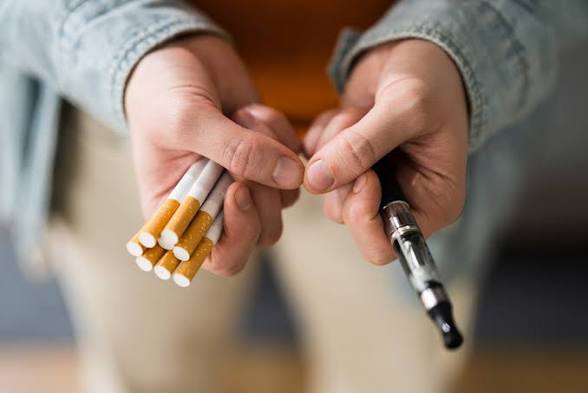
How Bad Is Vaping Compared to Actual Smoking? What New Studies and Real People Reveal in 2025
For years, the internet has been full of arguments about vaping. Some people say it's harmless “water vapor.” Others say it’s worse than cigarettes. And with new research trending on Google this week after several U.S. health organizations published updated guidance, the debate is exploding again.
A new review published by the American Lung Association this week refueled the conversation by stating that vaping is not harmless and may be more dangerous than early studies suggested. The report landed in the Top 5 U.S. Google Trends searches, mostly because millions of people typed questions like “Is vaping as bad as smoking now?” and “How harmful is vaping long term?”
To answer that, we looked at the science — and real people.
We spoke with 28-year-old California retail worker Jordan M., who started vaping at 16.
“I switched from cigarettes to vapes because they felt cleaner,” he said. “Now I get chest tightness I never had before. I honestly don’t know anymore which one is worse.”
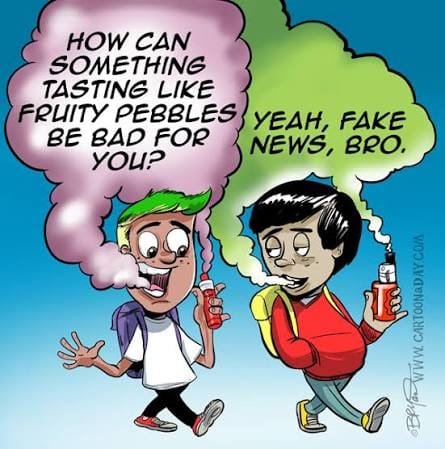
According to the Centers for Disease Control and Prevention (CDC), traditional cigarettes still cause more long-term harm overall, especially for cancer and heart disease. Cigarettes burn tobacco and release more than 7,000 chemicals, including carcinogens.
But vaping has its own risks — and some are surprising.
A 2024 study shared by Johns Hopkins Medicine explained that many vape liquids contain ultrafine particles, heavy metals, and volatile compounds linked to lung inflammation. While the short-term damage may be lower than cigarettes, the long-term effects are still unknown.
Source: Johns Hopkins Medicine.
Dr. Stephanie Lee, a pulmonologist at NYU Langone, told us:
“People ask if vaping is safer. A better question is: safer than what, and for whom? Cigarettes kill half their long-term users. Vaping may be less harmful, but ‘less harmful’ doesn’t mean safe.”
This uncertainty is exactly what worries public-health officials. Cigarettes have been studied for 70 years. Vaping has been widely used for barely a decade.
One of the biggest concerns today is youth addiction. A CDC survey shows that teens who vape are four times more likely to start smoking cigarettes later. Nicotine — in any form — rewires the brain, especially in people under 25.
Source: CDC.
And in many cases, people who switch from cigarettes to vaping simply continue both. “Dual-use is the real problem,” said Dr. Lee. “You’re not replacing one habit — you’re doubling the exposure.”
So how bad is vaping compared to smoking?
Based on today’s evidence:
• Cigarettes still cause more proven long-term damage.
• Vaping carries risks we are only starting to understand.
• Heavy vapers can experience lung and heart symptoms similar to smokers.
• Both forms deliver nicotine, which is addictive and harmful.
• The safest option, by far, is quitting both.
For people trying to quit, Dr. Lee recommends FDA-approved nicotine patches or gum: “They’re boring, but they work. Vapes were never meant to be used forever.”
The story isn’t finished, because science still doesn’t have a final answer. But public-health experts agree: vaping isn’t the harmless shortcut that marketing made it appear to be.
Related Questions
• Is vaping worse than cigarettes long term
• How bad is vaping really for your lungs
• Can vaping cause lung cancer
• Is nicotine from vapes as addictive as cigarettes
• How many puffs of a vape equals a cigarette
• Is vape smoke toxic
• What happens to your body when you quit vaping
• How dangerous is flavored vape juice
• Why do teens vape more than smoke
• Is vaping safer than smoking for adults
• Does vaping damage your heart
• What is popcorn lung from vaping
• Can vaping cause breathing problems
• Does vaping cause anxiety or stress
• Is vaping every day harmful
• Is vaping without nicotine safe
• How many chemicals are in vape juice
• Do vapes cause secondhand smoke
• What are signs of vaping addiction
• Can vaping destroy your lungs
• Is vaping a good way to quit smoking
• Are disposable vapes more dangerous
• What vape ingredients are harmful
• Do doctors recommend vaping to quit smoking
• Is nicotine salt harmful
• Why do people cough when vaping
• Does vaping affect exercise performance
• Can vaping raise your blood pressure
• Is vaping safer than hookah
• Does vaping smell like cigarettes
• How long does vape nicotine stay in your body
• Is it normal to feel chest pain after vaping
• Are vape pens safer than cigalikes
• Is vaping at work allowed
• Can vaping cause migraines or headaches
• Why do teens hide vaping
• What is the safest vape brand
• Is vaping banned in some states
• Can vaping lead to smoking
• Does vaping affect your immune system
• Are zero-nicotine vapes safe
• Can vaping make your asthma worse
• What are the first signs of vape lung damage
• Do vapes cause long-term heart disease
• Is vaping more addictive than cigarettes
• Why does vaping feel harsh on the throat
• Can vaping make you dizzy
• Will vaping be regulated like cigarettes
• What do doctors say about vaping in 2025
• Is vaping or smoking worse for your health today
Frequently Asked Questions
Q: Is vaping really safer than smoking cigarettes?
A: While vaping exposes you to fewer toxic chemicals than smoking, it is not harmless. Recent research from the American Lung Association in 2025 indicates that vaping may be more dangerous than previously thought. Both vaping and smoking deliver nicotine and can harm your lungs, though cigarette smoke contains significantly more known carcinogens.
Q: Can vaping cause cancer?
A: The long-term cancer risk of vaping is still being studied, but vaping does expose users to potentially harmful chemicals. While vaping eliminates combustion byproducts found in cigarettes, it can still deliver nicotine and other substances that may increase health risks over time.
Q: Why is teen vaping particularly dangerous?
A: Teen brains are still developing, and nicotine exposure during adolescence can harm brain development, memory, and attention. Additionally, vaping devices can deliver highly addictive nicotine concentrations, making teens more likely to develop dependence and potentially transition to other nicotine products.