
The Mexican Pyramid That Fired Its Own Timekeepers 1,000 Years Before AI
mexican pyramid fired timekeepers 1000 years ago automation ancient maya history technology timekeeping archaeology

YEET Magazine — History
The Mexican Pyramid That Fired Its Own Timekeepers 1,000 Years Before AI
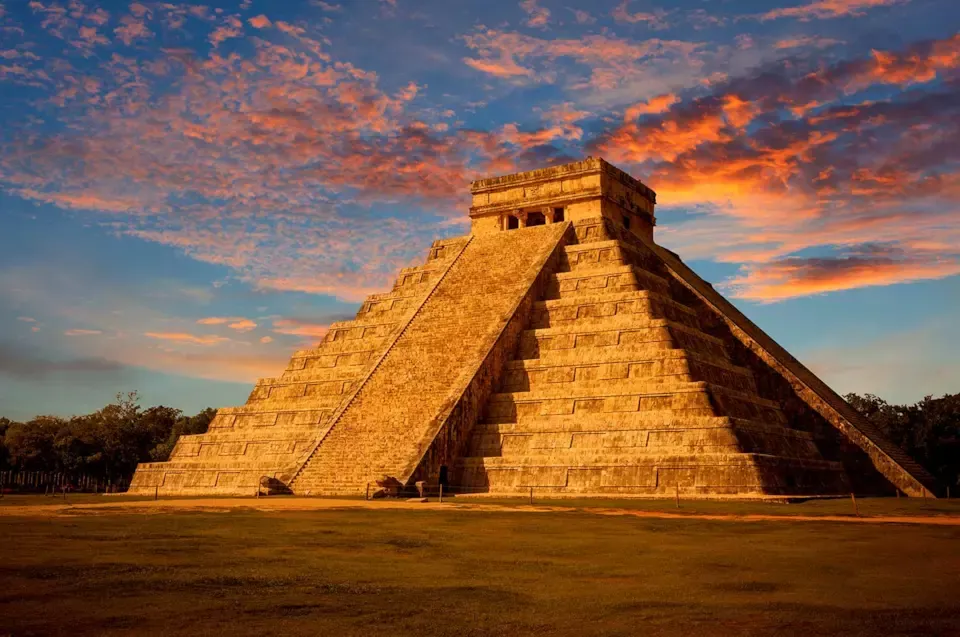
Ancient Maya builders designed a pyramid that could track the sun and mark the seasons without human timekeepers. It was a form of automation, 1,000 years before artificial intelligence.
The pyramid's alignment with the sun created a calendar system that did not require constant human intervention.
Why it matters
Automation is not a modern invention. Humans have been designing systems to replace repetitive work for thousands of years.
For more on the history of technology, see our coverage of how humans might evolve in the future.
The lesson
The pyramid did not replace the timekeepers entirely. It reduced their workload. The same is true of AI today.
What do you think? Is automation always a replacement, or sometimes an augmentation? Share your thoughts.
Source: YEET Magazine