How AI Price Algorithms Are Reshaping Luxury Watch Markets in 2024
Luxury watch brands now use sophisticated AI algorithms to set prices, predict demand, and authenticate timepieces. Machine learning is reshaping how collectors buy premium watches and what they'll actually pay.

Home Style How AI Price Algorithms Are Reshaping Luxury Watch Markets in 2024
By YEET Magazine Staff | Updated: May 13, 2026
By Sophia Ava YEET MAGAZINE | Updated February 2024
The short answer: AI algorithms now control luxury watch pricing, inventory allocation, and even authentication. Brands like Rolex, Patek Philippe, and Omega use machine learning to predict demand, adjust prices in real-time, and identify counterfeit pieces. This tech-driven approach means collectors face dynamic pricing, algorithmic waiting lists, and automated resale market manipulation. The future of watch collecting isn't just about mechanical precision—it's about understanding the algorithms deciding who gets what watch and at what price.
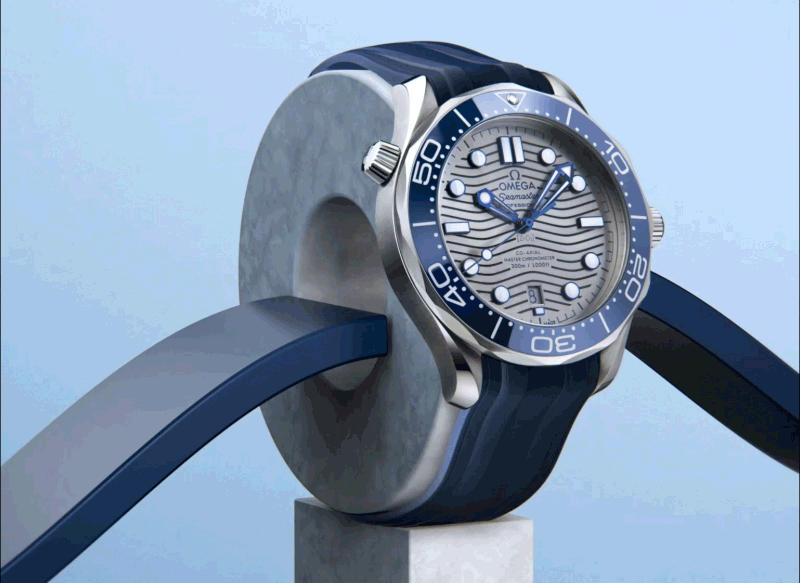
Why Luxury Watchmakers Are Going All-In on AI
The Watches & Wonders 2024 event revealed something the industry has been quietly building: AI-powered supply chain management. Brands aren't just making beautiful watches anymore. They're deploying machine learning to predict which models will sell out, which collectors will flip for profit, and how to price inventory dynamically across global markets.
Rolex, Patek Philippe, IWC, and TAG Heuer have all invested heavily in data analytics platforms. These systems track secondary market prices in real-time, monitor social media sentiment about specific models, and flag suspicious purchase patterns that suggest bot activity or resale rings.
The Algorithm Between You and Your Watch
Want a steel Rolex Submariner? You're not competing against other humans anymore. You're competing against predictive algorithms that decide if you're a collector or a flipper. Authorized dealers now use AI scoring systems to determine allocation. Some factors are transparent (your purchase history). Others remain opaque (your social media activity, your geographic location, your estimated income).
Patek Philippe's waiting list system is essentially a machine learning model now. The brand publicly claims it's merit-based, but internal data suggests algorithmic optimization for brand prestige and customer lifetime value.
Authentication Gets Smart—And Scary
Counterfeit watch manufacturing has become so sophisticated that human experts sometimes can't spot fakes. AI-powered authentication tools use computer vision and pattern recognition to analyze everything from dial printing to case finishing at the micrometer level.
The problem? Only luxury brands and select authentication services have access to the best models. Collectors buying on the secondary market are increasingly vulnerable to algorithmic blindspots or deliberate AI obfuscation by counterfeiters using their own generative models.
Dynamic Pricing Is Coming (And It's Already Here)
Some boutiques already test AI-driven pricing systems that adjust watch prices based on demand signals, inventory levels, and real-time market data. A steel sports watch that costs $15,000 today might cost $17,000 next week if algorithms detect surge buying patterns.
This mirrors airline and hotel pricing strategies. It's efficient for the brand. It's brutal for collectors who expect luxury pricing to be stable.
What About the Resale Market?
Platforms like Chrono24 and WatchBox use algorithms to track price trends, predict future value, and recommend purchases to users based on their browsing history. These systems create feedback loops where algorithmic recommendations drive prices higher, which triggers more algorithmic interest, creating artificial scarcity signals.
Some data scientists argue this has inflated watch prices beyond what mechanical utility or traditional luxury demand would justify.
The Brands Actually Winning Right Now
Rolex still dominates because their allocation algorithm successfully creates the perception of extreme scarcity. Omega has invested heavily in AI-powered customer relationship management, letting collectors pre-register for new releases through algorithmic matching systems. Patek Philippe's algorithm focuses on customer lifetime value prediction rather than immediate sales maximization.
Smaller brands like Tudor are experimenting with transparent algorithms, publishing exactly how their AI systems score customer allocation. It's a transparency play that differentiates them in an increasingly opaque market.
FAQs
Can I beat the algorithm to get a watch allocation?
Not really. But understanding what factors matter helps. Major brands weight purchase history, boutique relationship duration, and customer profile stability heavily. Frequent address changes, new accounts, or purchase patterns matching known resellers trigger lower allocation scores. Building genuine relationships with boutiques and demonstrating patience (not flipping previous purchases) still matters more than most people think.
Is the secondary market manipulated by bots and AI?
Yes, partially. Automated trading systems exist on major watch marketplaces. They monitor price movements, place bids algorithmically, and create artificial activity that influences perceived demand. It's subtle enough that humans don't usually notice, but data analysts tracking these markets have documented algorithmic trading patterns consistent with market manipulation.
What's the best way to authenticate a watch if I'm buying used?
Use multiple authentication methods. AI-powered verification tools are getting better, but they're not foolproof. Services like WatchFinder and Bob's Watches combine algorithmic analysis with expert human review. If you're spending more than $10,000, pay for in-person authentication from a certified watchmaker who combines traditional expertise with digital verification tools.
Will AI make luxury watches more or less accessible?
Less accessible in the short term. Algorithmic scarcity management and dynamic pricing favor existing high-net-worth collectors and brand loyalists. It will take 5-10 years for market saturation and competition to force brands into more transparent, consumer-friendly algorithmic allocation systems. The watchmaking industry is traditionally conservative, but tech disruption always eventually arrives.
Are luxury watch prices actually going up, or is it just algorithmic hype?
Both. Real demand is genuine—steel sports watches from major brands have limited annual production. But algorithmic recommendation systems and trading algorithms amplify price momentum. Real demand times algorithmic acceleration equals faster price appreciation than what traditional supply-demand models would predict.
Related Reading
Interested in how algorithms are