
What Happens When an Apple Supplier Fails to Meet Apple's Standards?
Apple's supplier code covers labour rights, safety, environmental standards and business conduct. Here is how supplier accountability works.

YEET Magazine — Apple suppliers
What If an Apple Supplier Breaks the Rules? Apple Can Cut Off Its Business
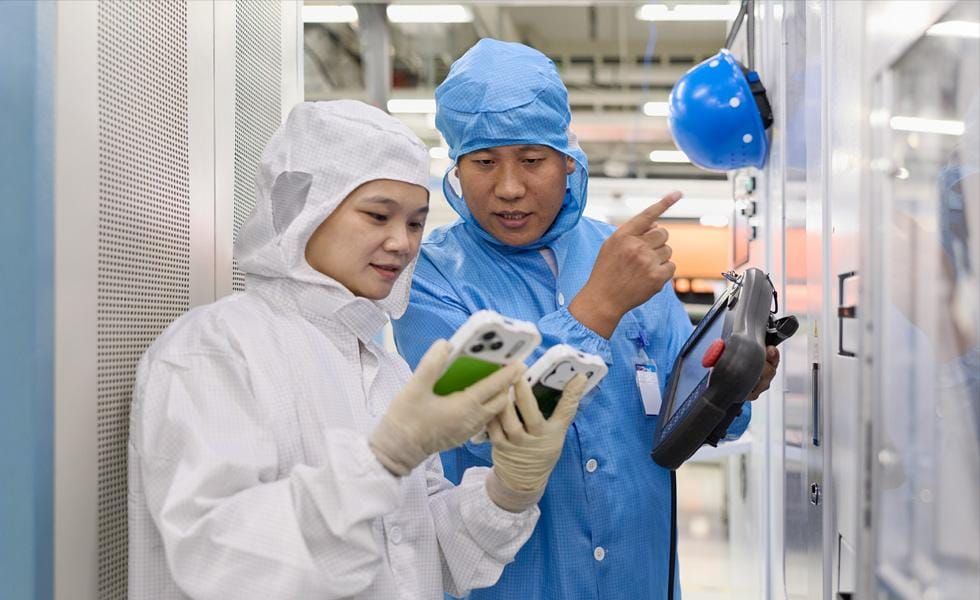
What happens when an Apple supplier breaks the rules? The company could face factory inspections, be forced to fix serious problems or lose Apple's business altogether. Apple checks suppliers for issues involving worker rights, factory safety, pollution and how materials are sourced. Its 2026 supply-chain report says Apple conducted 895 assessments focused on its Supplier Code and Standards in 2025, including 216 unannounced visits. Apple also reports removing 25 manufacturing facilities and 232 smelters and refiners from its supply chain since 2009 for failing to meet its standards.
Apple works with thousands of businesses around the world to make its products. But those companies must follow rules set by Apple. A factory cannot simply make parts for iPhones, Apple Watches or other devices without meeting the company's requirements.
These rules matter because problems inside a supplier's factory can affect workers, the environment and Apple's reputation. They can also disrupt production. As explained in our report on what could happen if one of Apple's suppliers suddenly stopped delivering, a problem at one important supplier can create trouble across the company's wider manufacturing network.
So what happens when a supplier fails an inspection, mistreats workers or ignores Apple's rules? Here's how Apple checks its suppliers and what can happen when a company breaks the rules.
What Rules Must Apple Suppliers Follow?
Apple has a Supplier Code of Conduct that sets out the rules companies must follow when working with the brand.
The rules cover several important areas:
- Worker rights: Employees must be treated fairly and their rights must be respected.
- Working hours: Suppliers must follow Apple's rules on working time, rest days and overtime.
- Factory safety: Workplaces must protect employees from dangerous conditions and unsafe equipment.
- Environmental protection: Factories must follow requirements covering pollution, waste, water and energy.
- Responsible materials: Suppliers must follow Apple's rules for sourcing the materials used in its products.
- Business conduct: Companies must follow rules covering honesty, ethics and responsible business practices.
These rules apply across Apple's supplier network, not just to the factories where finished iPhones and other devices are assembled.
Apple's Supplier Code of Conduct sets out the requirements suppliers must meet. These include labour and human rights, health and safety, environmental protection, responsible materials sourcing and business conduct.
Read the Apple Supplier Code of Conduct and official supply-chain standards to see what the company expects from its manufacturing partners.
Does Apple Check Its Suppliers?
Yes. Apple checks supplier factories through assessments and audits. These inspections are designed to find problems and see whether companies are following Apple's rules.
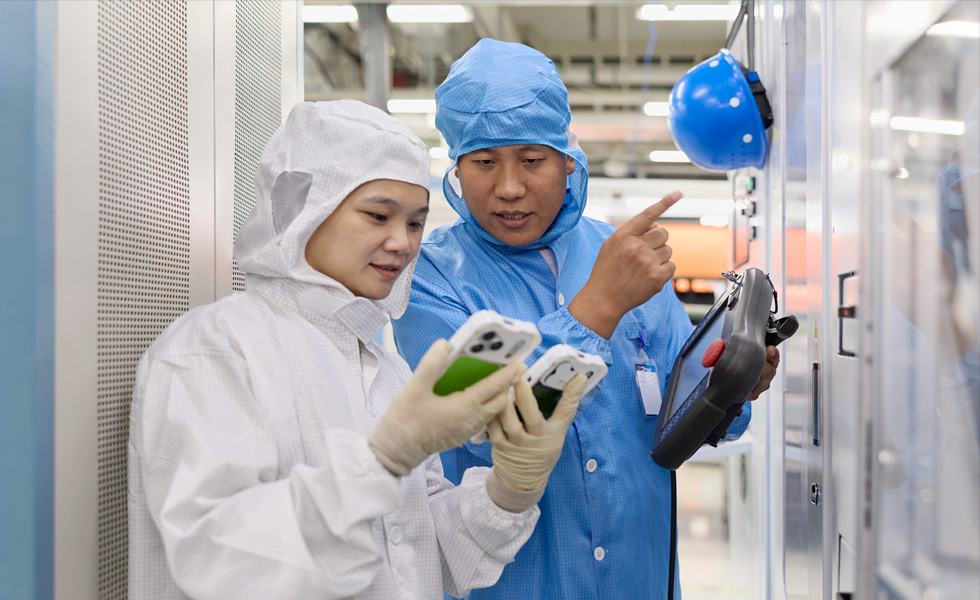
Auditors can inspect factory conditions, review company records and speak directly with employees. Apple also uses independent third-party auditing firms to carry out assessments.
Some visits are announced in advance, while others are unannounced. This means a supplier may not know exactly when auditors will arrive.

Apple's 2026 supply-chain progress report says the company conducted 895 assessments focused on its Supplier Code and Standards in 2025. Of those, 216 were unannounced.
Apple also says suppliers are assessed against more than 500 criteria. These cover worker rights, health and safety, environmental protection, responsible materials sourcing, community engagement and business conduct.
These checks help Apple find problems and see whether suppliers have made the changes they were asked to make. They also allow the company to monitor working conditions and listen to employees directly.
Apple separately reports 1,856 total assessments and audits across its supply chain in 2025. That is a wider figure than the 895 assessments focused specifically on its Code and Standards.
What Happens If an Apple Supplier Fails an Audit?
Failing an audit does not automatically mean a supplier loses Apple's business. What happens next depends on the problem and how serious it is.
If auditors find a violation, Apple can require the supplier to make changes. The company must explain what went wrong, fix the problem and take steps to stop it from happening again.
Apple says suppliers must report their progress on corrective action every 30 days. The company then checks whether the required changes have actually been made.
For the most serious violations, Apple can take stronger action. It says it places suppliers on probation, contacts their chief executive and restricts their ability to receive new projects or business while the problems are being fixed.
In some cases, Apple can end its business relationship with the supplier. The company says removal is generally a last resort, partly because ending a relationship can also affect workers who need the opportunity to seek a remedy.
Can Apple Drop a Supplier for Breaking Its Rules?
Yes. Apple says suppliers that are unwilling or unable to meet its standards risk being removed from its supply chain.
The company may first work with a supplier to fix the problem, improve working conditions and prevent the same issue from happening again.
But serious or repeated failures can have major consequences. Apple reports that since 2009 it has removed 25 manufacturing supplier facilities and 232 smelters and refiners from its supply chain for failing to meet its standards.
These are different types of businesses. Manufacturing facilities make products or components, while smelters and refiners process materials used in manufacturing.
The message is clear: a company can lose access to Apple's business if it does not meet the requirements.
Supplier problems can also create wider business risks. Read our report on how one supplier problem could disrupt Apple's production worldwide.
What Happens If an Apple Supplier Treats Workers Badly?
Worker rights are a major part of Apple's supplier rules. The company says suppliers must provide safe workplaces and treat employees with dignity and respect.
Apple checks working conditions through factory visits, employee interviews and anonymous surveys. Workers can also report concerns directly to Apple.
If Apple finds a violation, it can require the supplier to correct the problem and address the harm caused to employees.
Apple also says it does not tolerate retaliation against workers who raise concerns. A supplier that punishes employees for speaking up can face serious consequences, including losing its business with Apple.
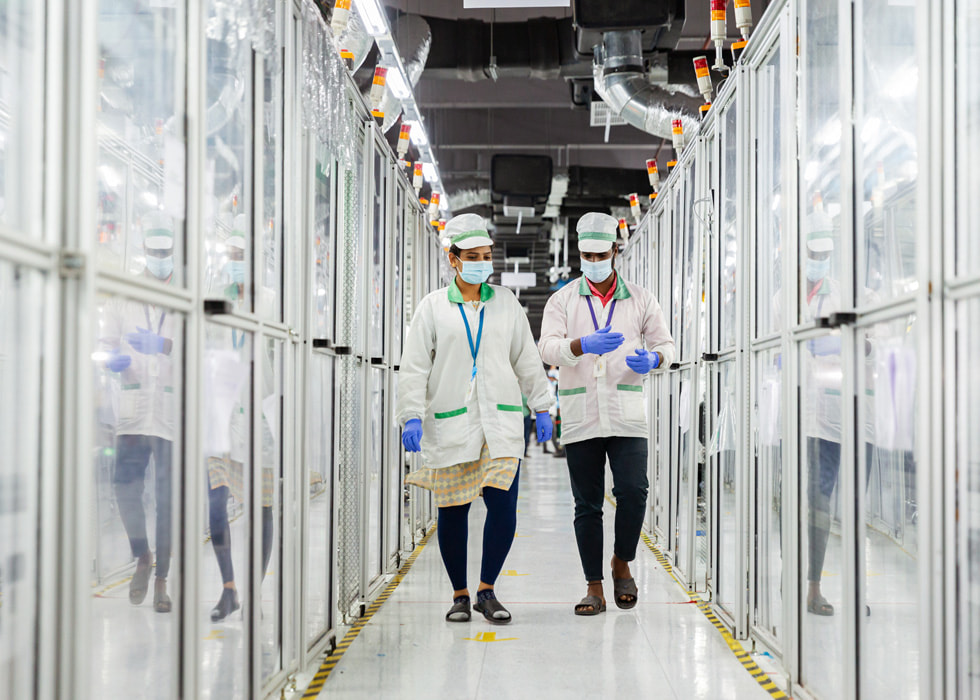
In its 2026 supply-chain progress report, Apple says it trained more than 2.4 million supplier employees on their workplace rights in 2025. It also says more than 42,000 follow-up calls were made to check that employees who took part in interviews had not faced retaliation.
Apple also reports that more than 6,900 improvements were made to supplier workplaces in 2025 based on employee feedback. These included improvements to employee services, facilities and onboarding.
Can Apple Investigate a Complaint Against a Supplier?
Yes. Apple says it investigates reports and complaints about problems in its supply chain.
Concerns can come from workers, journalists, governments, civil society groups or other people with information about a supplier.
Apple says it can send experts to a supplier's location within 24 to 48 hours when necessary. The company can then investigate the complaint and decide what action is needed.
Workers can also use Apple's reporting channels to raise concerns. Apple says these channels are available in different languages and can be used to report workplace problems.
However, an allegation is not automatically proof that a supplier has broken the rules. Apple says it investigates reports before deciding what action to take.
Its approach also includes checking whether suppliers have corrected problems deeper in their own supply chains, rather than looking only at the factories that work directly with Apple.
How Many Apple Suppliers Have Been Removed?
Apple says it has removed 25 manufacturing supplier facilities and 232 smelters and refiners from its supply chain since 2009 for failing to meet its standards.
The company also reports that it conducted 895 assessments focused on its Supplier Code and Standards in 2025, including 216 unannounced assessments.
Other figures in Apple's report include:
- 2.4 million: Supplier employees trained on workplace rights in 2025.
- 42,000+: Follow-up calls made to supplier employees after interviews to check for retaliation.
- 6,900+: Improvements made to supplier workplaces in 2025 based on employee feedback.
- 25: Manufacturing supplier facilities removed since 2009 for failing to meet Apple's standards.
- 232: Smelters and refiners removed since 2009 for failing to meet Apple's standards.
These figures come from Apple's own reporting. They show how the company says it monitors suppliers and responds when businesses fail to meet its requirements. They are not an independent assessment of every factory's working conditions.
For the full details, read Apple's official supply-chain progress and accountability information.
Why Does Apple Care So Much About Supplier Standards?
Apple depends on outside companies to make many of the parts used in its products. That means problems at a supplier can quickly become problems for Apple.
Poor working conditions, unsafe factories or irresponsible sourcing can damage Apple's reputation. They can also lead to production problems, legal issues and pressure from customers, workers and governments.
Checking suppliers helps Apple find problems and push companies to make changes. It also gives the company a way to decide whether a supplier should continue receiving business.
But having rules is only one part of the picture. The real test is whether those rules are followed inside factories and whether problems are properly fixed when they are found.
This is also why supplier standards matter to Apple's ability to keep making and delivering products. Our report on the risks behind Apple's global manufacturing network looks at what can happen when production depends on a small number of key suppliers.
Frequently Asked Questions
What Happens If an Apple Supplier Breaks the Rules?
Apple can investigate the problem and require the supplier to fix it. Serious violations can lead to probation, restrictions on new business or the end of the company's relationship with Apple.
Does Apple Have Rules That Suppliers Must Follow?
Yes. Apple's Supplier Code of Conduct covers worker rights, factory safety, working conditions, environmental protection, responsible materials and business practices. Suppliers must follow these requirements to work with Apple.
Does Apple Check Its Suppliers With Factory Audits?
Yes. Apple uses assessments and third-party auditors to inspect factories, review records and speak with employees. Some visits are unannounced, so suppliers do not always know when an inspection will happen.
Can Apple Stop Giving New Work to a Supplier?
Yes. If Apple finds a serious violation, it can put the supplier on probation and stop giving it new projects or business while the problem is being fixed.
Can Apple Remove a Supplier From Its Supply Chain?
Yes. Apple says suppliers that refuse or fail to meet its standards can be removed. The company reports that it has removed 25 manufacturing supplier facilities and 232 smelters and refiners since 2009 for failing to meet its requirements.
What Happens If an Apple Supplier Treats Workers Badly?
Apple can investigate the complaint and require the supplier to correct the problem. It also says suppliers must protect workers who raise concerns and must not retaliate against them.
Can Workers Report Problems at an Apple Supplier Factory?
Yes. Apple says workers can report concerns through its reporting channels. The company also investigates complaints and says it can send experts to a supplier's location within 24 to 48 hours when necessary.
How Many Apple Supplier Audits Were Conducted in 2025?
Apple says it conducted 895 assessments focused on its Supplier Code and Standards in 2025. Of those, 216 were unannounced assessments. It separately reports 1,856 total supply-chain assessments and audits.
Related Coverage
AI Chip Shortage 2027: Why Demand Could Make the Global Shortage Worse
What Is On-Device AI? Why Apple and Google Are Investing in AI
Explore more reporting in the YEET Magazine Apple suppliers coverage archive.
Sources:
Apple — Supply Chain Innovation and Supplier Standards
Apple — 2026 Supply Chain Progress Report
Apple — UN Guiding Principles on Business and Human Rights Mapping