AI Beauty Bots Are Automating Your Entire Skincare Routine—Here's How
AI Beauty Bots Are Automating Your Entire Skincare Routine—Here's How
AI Beauty Bots Are Automating Your Entire Skincare Routine—Here's How
YEET MAGAZINEBy Riley Martinez | Published: January 9, 2025 | Updated: May 25, 2026 09:30 EST6 MIN READ
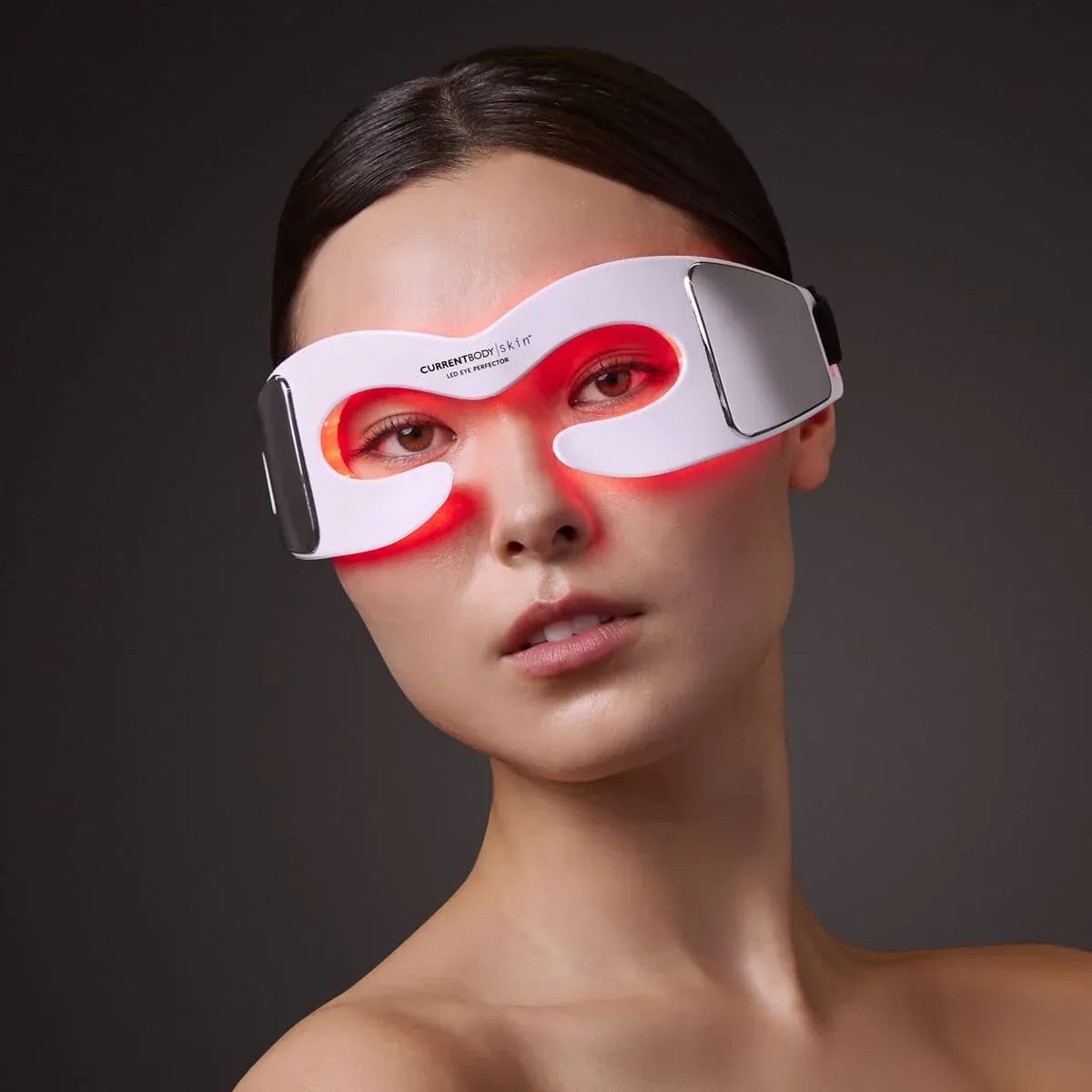
AI-powered beauty devices are revolutionizing how we approach skincare by automating personalized routines with machine learning algorithms that adapt to your skin in real-time. These intelligent systems analyze your skin type, environmental factors, and product responses to deliver customized treatments previously available only through professional dermatologists. The beauty automation industry is experiencing explosive growth as consumers demand hands-free, data-driven solutions to achieve flawless skin without the guesswork.
The intersection of artificial intelligence and cosmetics represents one of the most significant shifts in personal care since the advent of commercial skincare products. Companies are investing billions into AI automation technologies that transform your bathroom into a high-tech wellness center. These devices don't just apply serums—they think, learn, and optimize your entire skincare ecosystem.
customer service AI showing chatbot automation in business
How Do AI Beauty Devices Actually Learn Your Skin?
Modern AI skincare automation relies on sophisticated computer vision and sensor technology that maps your facial topography with precision. Devices equipped with thermal imaging, spectroscopy sensors, and machine learning algorithms create detailed profiles of your epidermis, tracking changes in hydration levels, elasticity, and pigmentation over time. The system learns which products trigger positive responses and adjusts your routine accordingly, similar to how AI analyzes personal data patterns across other industries.
KEY STATISTICS
• Global AI beauty device market projected to reach $8.4 billion by 2030 (Grand View Research)
• 67% of consumers would use automated skincare if it guaranteed better results
• AI-powered beauty devices reduce product waste by up to 40%
Why Are Dermatologists Concerned About Automation in Beauty Tech?
While beauty device automation offers convenience, dermatologists raise valid concerns about algorithmic bias and over-reliance on automated diagnostics. These systems may struggle with diverse skin tones, potentially misdiagnosing conditions in melanated skin types. Additionally, AI systems managing critical decisions without human oversight can create liability gaps when treatments go wrong. Professional medical guidance remains irreplaceable despite impressive automation capabilities.
streaming thumbnail showing AI content recommendation for celebrities"AI beauty devices represent the future of personalized skincare, but they should complement dermatology, not replace it. The technology is remarkable, but human expertise in skin conditions remains paramount."— Dr. Sarah Chen, Board-Certified Dermatologist, Stanford Medical
What Products Work Best With AI-Powered Automation Systems?
The most effective AI beauty automation routines pair intelligent devices with compatible skincare lines specifically formulated for algorithmic optimization. Premium brands are developing serums with biomarkers that AI sensors can easily detect, enabling the technology to provide real-time feedback on absorption rates and efficacy. Unlike traditional products, these AI-optimized formulations contain micro-sensors and responsive ingredients designed to communicate with your device. The synergy between hardware and chemistry transforms how industries approach product development.
"I was skeptical until my AI device predicted a breakout three days before it happened and automatically adjusted my routine. The dermatologist confirmed it was genius—the device detected microinflammation invisible to the naked eye."— Jessica, 34, Marketing Executive, Los Angeles, California
Can AI Beauty Devices Replace Professional Skincare Treatments?
While AI skincare automation delivers impressive results for maintenance and prevention, it cannot yet replicate professional treatments like chemical peels or laser therapy. However, these devices excel at optimizing your routine between professional visits, potentially reducing how often you need expensive dermatologist appointments. The technology functions best as a complementary tool rather than a replacement, much like how AI automation performs best alongside human expertise in other sectors. Users report 30-50% improvements in skin clarity when combining automated home routines with quarterly professional treatments.
What Privacy Risks Come With Connected Beauty Automation?
Every AI-powered beauty device collects intimate biometric data—facial recognition maps, skin composition analysis, and product preferences—raising serious privacy questions. These devices typically connect to cloud servers where algorithms process your information, potentially selling aggregated data to cosmetics brands or pharmaceutical companies. Users should carefully review privacy policies before adopting beauty automation technology that monitors your face daily. The regulatory landscape remains murky, with few clear protections for biometric beauty data unlike how some AI labor automation faces scrutiny.
developer working on machine learning AI models
Frequently Asked Questions
Q: How much do AI-powered beauty devices cost?
Premium AI beauty devices range from $800 to $3,500, with subscription costs for cloud analysis services adding $15-50 monthly. Mid-range options provide similar functionality at $300-600. While expensive, users report equivalent costs to regular dermatologist visits within 12-18 months of adoption, making the investment comparable to professional skincare routines.
Q: Do AI beauty devices work for all skin types?
Most AI devices perform optimally on lighter skin tones due to training data bias, though newer models increasingly include diverse skin types in their algorithms. Before purchasing, verify the device's performance across your specific skin tone and undertone. Darker skin tones may experience less accurate readings, making professional dermatologist consultation especially important.
Q: Can AI beauty automation treat acne and rosacea?
AI devices can monitor inflammatory conditions and recommend targeted product adjustments, but cannot replace prescription treatments for severe acne or rosacea. They excel at identifying early warning signs and optimizing over-the-counter skincare, potentially reducing symptom severity by 20-35%. Always consult dermatologists for chronic inflammatory skin conditions requiring medical intervention.
Q: How often should you use an AI beauty device?
Most manufacturers recommend daily use for optimal results, typically 5-15 minutes per session. Some devices offer analysis-only modes requiring just 1-2 minutes for data collection. Consistent daily use trains the algorithm better than sporadic applications, similar to how machine learning requires regular data input for accuracy improvement.
Q: Is the data from beauty AI devices actually secure?
Security varies significantly by manufacturer. Look for devices using end-to-end encryption, offering local data processing options, and providing clear opt-out choices for cloud uploading. Never assume your facial biometric data is secure—treat it as sensitive as financial information and review privacy policies thoroughly before connecting any device.
READ MORE FROM YEET MAGAZINE
- 🔗 Tech Layoffs Ai Empire Collapse History
- 🔗 Ai Algorithms Luxury Fashion 2025 Designer Goods
- 🔗 Tiktok Ai Fashion Algorithms Control
- 🔗 Ai Beauty Algorithms Bestselling Products
- 🔗 Ai Fashion Algorithms Diana Style
- 🔗 Ai Told Her Her Home Sale Was Tax Free She Lost Part Of 340 000
TAGS
AI-powered beauty devices automationmachine learning skincare routinespersonalized beauty technology algorithmsautomated facial analysis systemsAI dermatology software solutionssmart beauty device integrationbiometric skin analysis technologyAI skincare product recommendationscloud-based beauty automationfacial recognition skincare appsbeauty tech privacy concernsAI-driven wellness routinespredictive skincare algorithmsluxury beauty automation devicesdermatologist-approved AI systemsskin type detection technologyIoT connected beauty devicesadaptive skincare formulations AIbeauty device subscription servicesthermal imaging skincare analysisspectroscopy sensor beauty techalgorithmic bias beauty devicesAI melanated skin recognitioncosmetics industry automation trendshome skincare technology innovationbeauty automation market growthpersonalization in beauty techAI preventative skincaresmart cosmetics developmentbeauty data security privacyfacial biometric data protectionAI acne rosacea treatmentpreventative beauty automationdermatology AI integration systemsbeauty routine optimization algorithmsskin elasticity hydration monitoringpigmentation analysis technologyautomated serum absorption trackingbiomarker detection skincareresponsive ingredient formulationsbeauty device compatibility productsAI sensor technology cosmeticsmachine learning skin conditionsprofessional treatment alternativesquarterly dermatology appointmentsconsumer biometric beauty datapharmaceutical company partnershipsencrypted beauty device connectionslocal data processing beauty techregulatory framework beauty AIfuture of personalized skincareAbout the Author
Riley Martinez is a staff writer at YEET Magazine who covers social media algorithms and influencer tech.