
Dragon Man: The Human Ancestry Rewrite
Dragon Man, Homo longi, Harbin cranium, Denisovans, human evolution 2026, ancient human species, Homo sapiens ancestry.

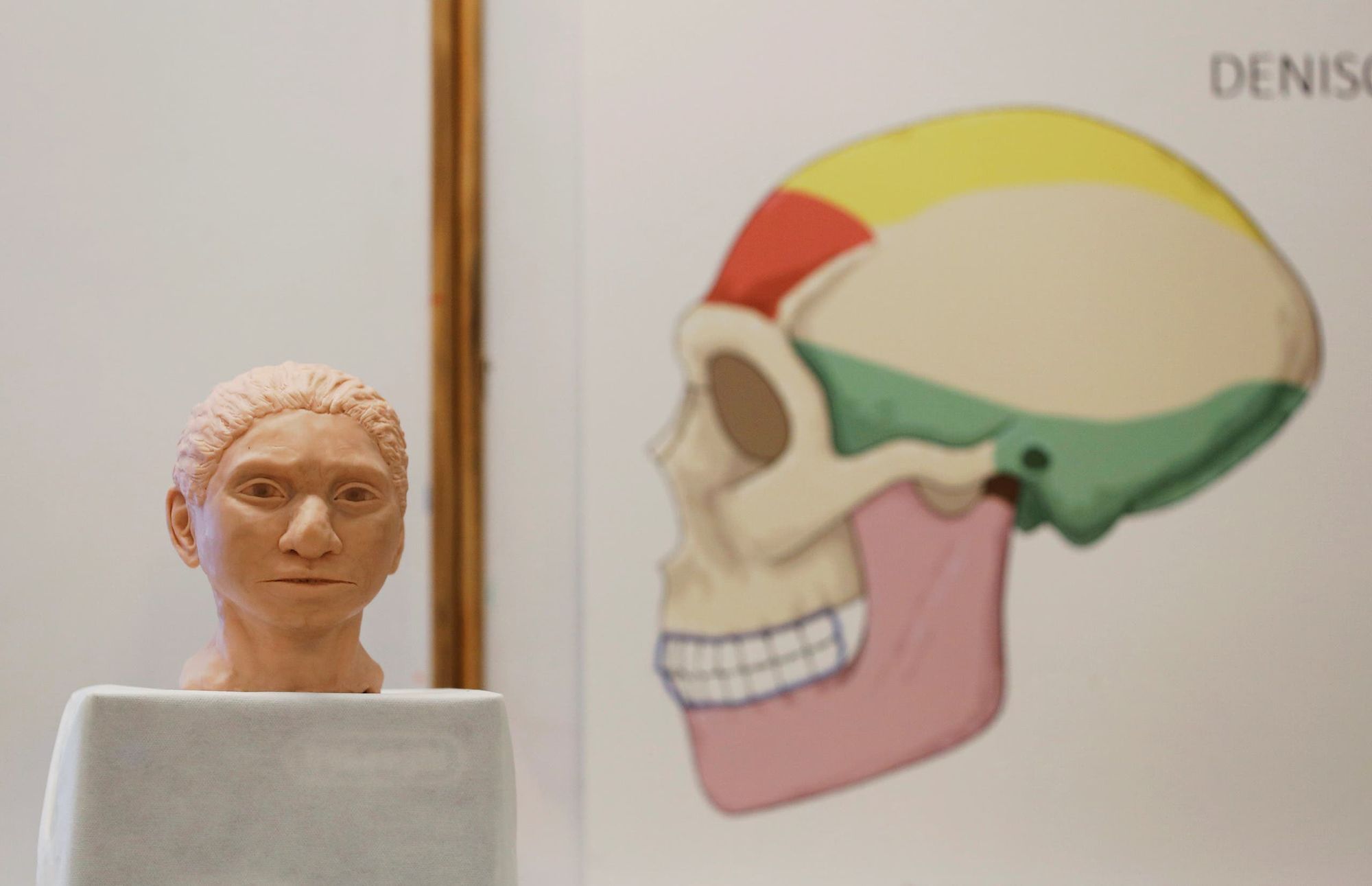
Human Ancestry Changed By Dragon Man: Ancient Chinese Skull Is New Human Species Closest to Homo Sapiens

Human ancestry has been rewritten by Dragon Man — an ancient skull discovered in China that is now believed to be the closest known human species to modern Homo sapiens. Dragon Man, Homo longi, ancient human skull China, human evolution, human ancestry, new human species, Denisovans, Neanderthals, Homo sapiens origins, and Chinese hominid — these are the searches dominating paleoanthropology news right now. The discovery of the massive, near-complete fossil in the Songhua River near Harbin, China, has forced scientists to redraw the human family tree. According to research published in the journal The Innovation, the skull belongs to a previously unknown human species that is even more closely related to us than Neanderthals. Read more about human ancestry →
The skull, discovered in 1933 but only recently studied, has been dated to around 146,000 years old. The team, led by Professor Qiang Ji of Hebei GEO University, named the new species Homo longi, or "Dragon Man." The discovery has been described as "one of the most important finds in human evolution in the last 50 years" and is set to change our understanding of human evolution in Asia. Read more about human evolution →
Explore Human Evolution
Books on human evolution, ancient humans, and the latest discoveries in paleoanthropology.
Shop Human Evolution Books →What Is Dragon Man?
Dragon Man, scientifically known as Homo longi, is a newly identified extinct species of archaic human. The fossil is a near-complete cranium with a massive braincase, measuring approximately 1,420 cubic centimeters — larger than the average modern human brain. The skull was discovered in 1933 by a Chinese worker building a bridge over the Songhua River. The worker, knowing the skull was significant, hid it in a well, where it remained until 2018.
The skull's features are a fascinating mosaic. It has thick brow ridges, large square eye sockets, and a broad mouth, but its face is low and flat. Its enormous brain capacity suggests it was a highly intelligent species. The dating of the fossil was achieved using uranium-series dating, which places it at 146,000 years ago, a time when modern humans were also present in East Asia.

Dragon Man's Position in the Human Family Tree
Before Dragon Man, scientists believed Neanderthals were our closest extinct relatives. However, a new analysis places Homo longi as the sister lineage to Homo sapiens — meaning they share a more recent common ancestor than we do with Neanderthals.
It had been thought that Neanderthals were our closest cousins, but the new research suggests that the line leading to Homo longi branched off from the line leading to modern humans more recently than the split with Neanderthals. This means Dragon Man is our closest known extinct relative. The research team used a computer modeling technique to analyze the relationships between various hominin species and found that Homo longi and Homo sapiens formed a closely related group.
However, not everyone agrees. Some scientists, including Professor Chris Stringer of the Natural History Museum in London, have suggested that the Dragon Man skull might actually be a Denisovan — a mysterious group of archaic humans known primarily from DNA fragments. Stringer believes that many of the features seen in the Dragon Man skull are also present in Denisovan fossils. This debate is ongoing, but regardless of the outcome, the Dragon Man discovery has completely transformed our understanding of human ancestry. Read more about Denisovans →
Dragon Man vs. Neanderthals vs. Denisovans
To understand Dragon Man's significance, it's important to compare it to other known hominins:
- Neanderthals: Lived in Europe and Western Asia, adapted to colder climates. They had larger noses and shorter limbs. DNA evidence shows interbreeding with modern humans.
- Denisovans: Known primarily from DNA fragments from a cave in Siberia. They interbred with both Neanderthals and modern humans.
- Dragon Man: Possesses a massive brain, a low, flat face, and thick brow ridges. It lived in East Asia around 146,000 years ago and is the closest known relative to Homo sapiens.
The discovery of Homo longi also has implications for the study of other Chinese hominid fossils. The team behind the discovery suggests that several other fossils found in China — such as Dali, Jinniushan, and Xiahe — might actually belong to the same species, Homo longi. If true, this would mean Dragon Man was a widespread group in East Asia.

The Primate Family Tree and Human Ancestry
Understanding human evolution requires looking at the broader primate family tree. Primates evolved from small, tree-dwelling mammals around 55 million years ago. The earliest primates were similar to modern-day lemurs and tarsiers. Over millions of years, primates evolved into two major groups: the strepsirrhines (lemurs and lorises) and the haplorhines (tarsiers, monkeys, apes, and humans).
Apes, which include gibbons, orangutans, gorillas, chimpanzees, and humans, split from monkeys around 25 million years ago. The hominins, the group that includes humans and our extinct ancestors, split from the chimpanzee lineage around 6-7 million years ago. Fossil evidence, including Ardipithecus, Australopithecus, and early Homo, has helped scientists trace the path of human evolution.

Key Hominin Fossils and Their Significance
Several key fossils have shaped our understanding of human evolution:
- Lucy (Australopithecus afarensis): Discovered in Ethiopia in 1974, Lucy is one of the most famous hominin fossils. She lived about 3.2 million years ago and walked upright.
- Turkana Boy (Homo erectus): A nearly complete skeleton of a young Homo erectus boy discovered in Kenya. It is about 1.5 million years old.
- Tautavel Man (Homo erectus): A fossil discovered in France, dating back around 450,000 years.
- Neanderthals: Our closest extinct relatives, known from fossils across Europe and Asia.
- Dragon Man (Homo longi): The new discovery that has rewritten human ancestry.


FAQ: Dragon Man and Human Ancestry
Q: What is Dragon Man?
A: Dragon Man, or Homo longi, is a newly identified extinct human species discovered in China. The fossil is a near-complete skull dated to around 146,000 years old.
Q: How does Dragon Man change our understanding of human evolution?
A: Dragon Man is believed to be the closest known relative to Homo sapiens, even closer than Neanderthals. This rewrites the human family tree.
Q: Where was Dragon Man discovered?
A: The skull was discovered in 1933 in the Songhua River near Harbin, China. It was hidden in a well for decades before being studied.
Q: Is Dragon Man a Denisovan?
A: Some scientists believe Dragon Man might be a Denisovan, while others argue it is a distinct species. The debate is ongoing.
Q: What other hominins lived in East Asia?
A: Other hominins in East Asia include Homo erectus and potentially Denisovans. The Dragon Man discovery suggests a greater diversity of human species in the region.
Related Stories
- Human Ancestry: Latest Discoveries
- Human Evolution: Complete Guide
- Neanderthals: Our Closest Relatives
- Denisovans: The Mysterious Archaic Humans
- Paleoanthropology: Latest News