How AI is Reshaping Luxury Fashion: What Stella McCartney's Winter 2021 Show Reveals About Algorithm-Driven Design
Stella McCartney's Winter 2021 collection showcased more than just bold aesthetics—it revealed how AI and data analytics are quietly revolutionizing luxury fashion. From supply chain optimization to predictive design algorithms, the brand's approach signals a seismic shift in how high fashion will b

By Deni Porter | YEET MAGAZINE | Updated 0439 GMT (1239 HKT) October 21, 2021
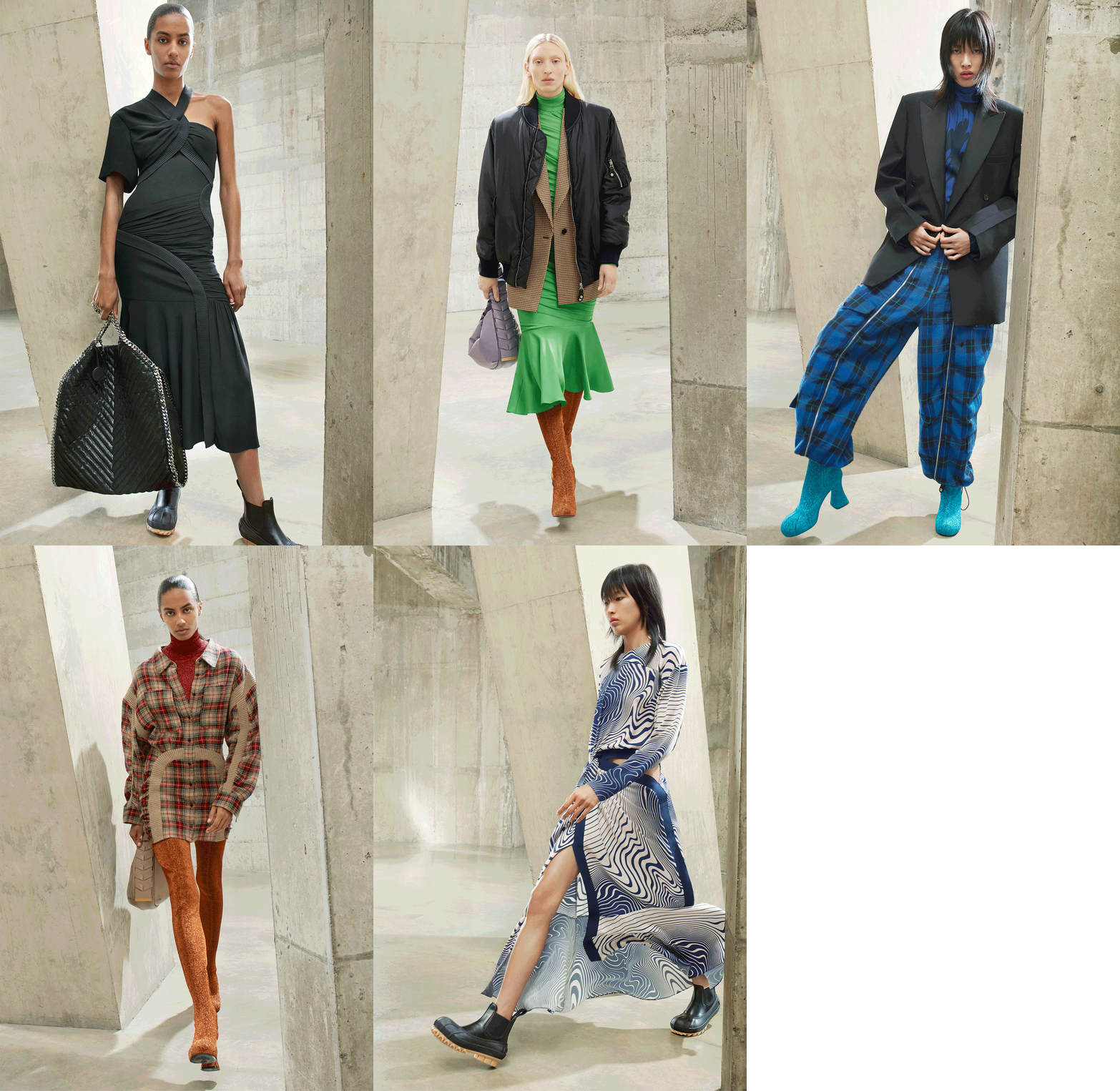
Stella McCartney Winter 2021 Stella McCartney presented its new fall-winter 2020-2021 collection during the ready-to-wear fashion show in Paris.
Discover all the looks of Stella McCartney's show in photos.
With just one click, find all the fashion weeks and catwalks, details and behind the scenes ... In short, the best of fashion!
The collection
The Winter 2021 collection combines reality and imagination, echoing a common desire for glamor, joy and opulence.
Inspired by the alphabet book Stella McCartney, this festive spirit is illustrated by pieces playing on light and textures, playful and dissonant prints and unexpected contrasts of volumes, silhouettes and materials.
Vegan bags came in all sizes and shapes - smaller, spherical versions of the Frayme bag or the Hobo, with an exaggerated braided handle.
The iconic Falabella bag is revisited, with the Maxi Falabella which comes in new colors and whose aluminum chain is completely recyclable.
Watch the Winter 2021 digital fashion show in Stella's Universe.
From the YEET SHOP
Shop fashion, Design, Art pieces and more trendy must haves in 2021
More Fashion Articles

Paris Fashion Week: Anguish, Need For Change... These Runways Remind us of Current Sad State Of The World.
Lanvin, Dior, Balmain or Chanel, all presented their fall-winter 2021-22 collections through long videos, each more sophisticated than the next at the Paris Fashion Week 2021.
- YEET MAGAZINE

YEET MAGAZINE29 APR 2021 • 3 MIN READ
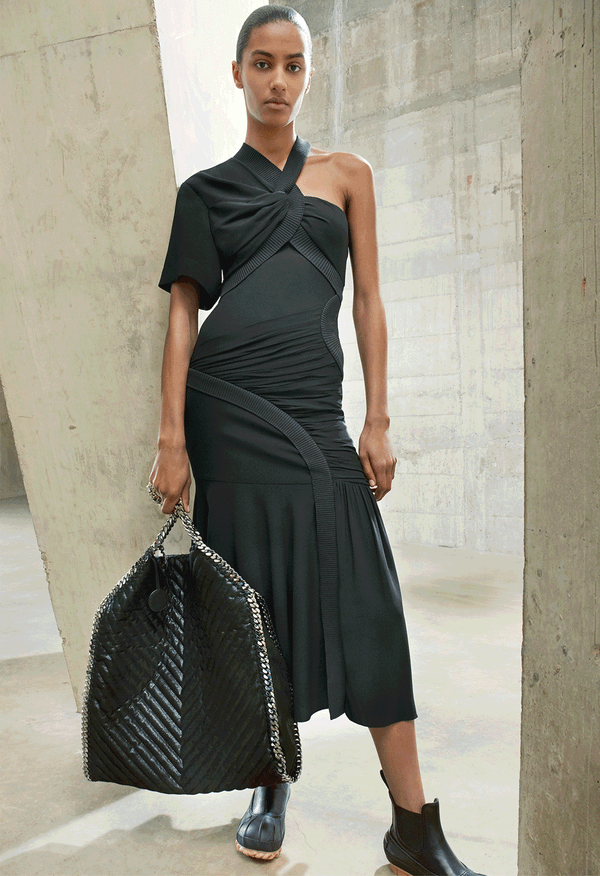
Stella McCartney: What The Winter 2021 Fashion Show Revealed About The Iconic Brand .
Stella McCartney Winter 2021 Stella McCartney presented its new fall-winter 2020-2021 collection during the ready-to-wear fashion show in Paris. Discover all the looks of Stella McCartney's show in photos. With
- YEET MAGAZINE
YEET MAGAZINE14 APR 2021 • 1 MIN READ
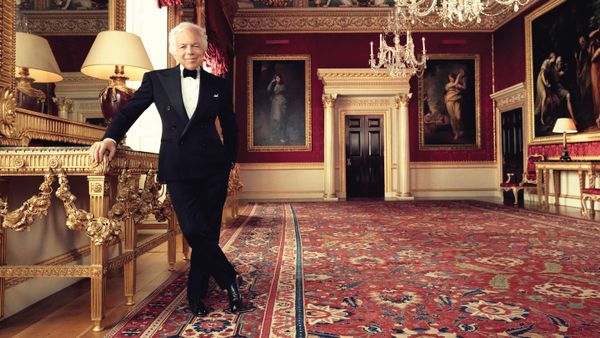
How Ralph Lauren built his $11b fashion empire.
Immerse yourself in the life of American fashion designer, philanthropist, and billionaire businessman, best known for the Ralph Lauren Corporation, a global multibillion-dollar enterprise.
- YEET MAGAZINE
YEET MAGAZINE27 MAR 2021 • 15 MIN READ
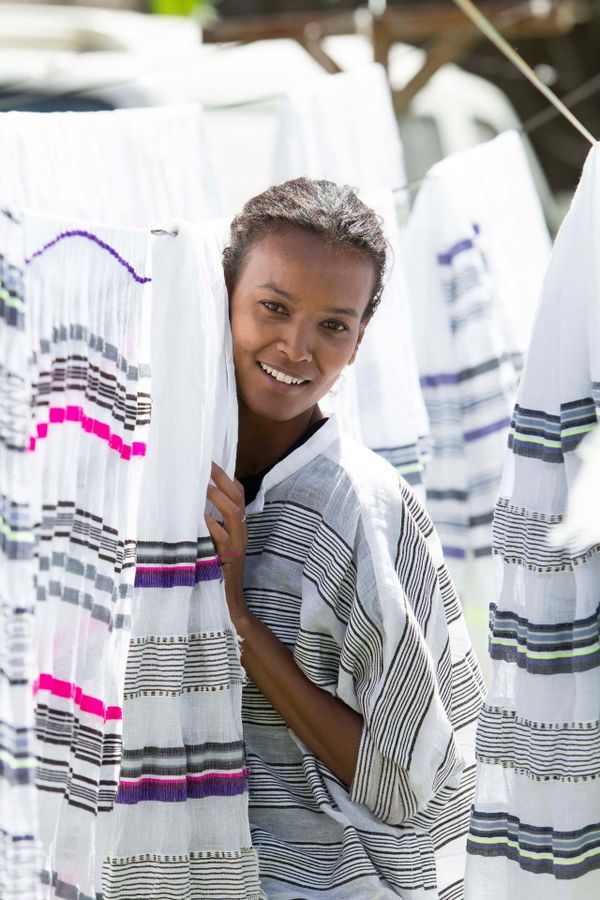
Africa: 2021 Looks Good As African-Made Luxury Fashion Is Making A Comeback.
Brother Knitwear Factory Nairobi Fashion Industry Africa
- YEET MAGAZINE
YEET MAGAZINE27 MAR 2021 • 5 MIN READ
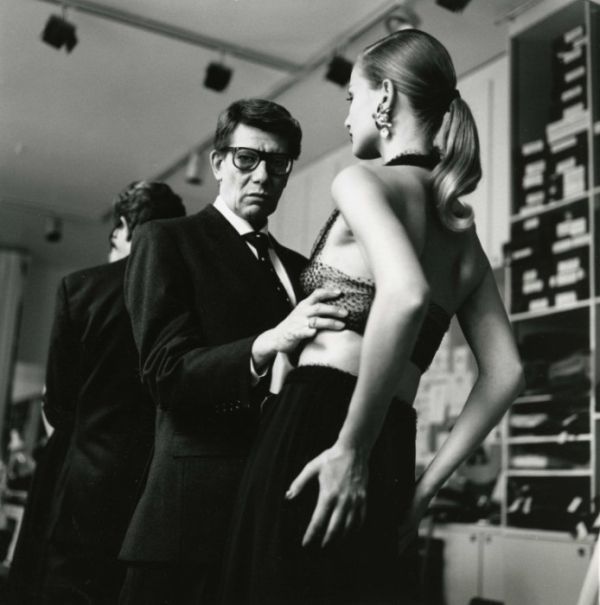
Yves Saint Paris :The Life & Work Of Iconic Fashion Designer Displayed At A Chic Museum In Paris.
By Jacqueline Lynch
- YEET MAGAZINE
YEET MAGAZINE25 MAR 2021 • 5 MIN READ

Singaporean Bridal Designer Peiru Teo, The Woman behind La Belle Couture Is Visionary Entrepreneur With A Strategic Mind
By Lina Molinari
- YEET MAGAZINE
YEET MAGAZINE25 MAR 2021 • 6 MIN READ
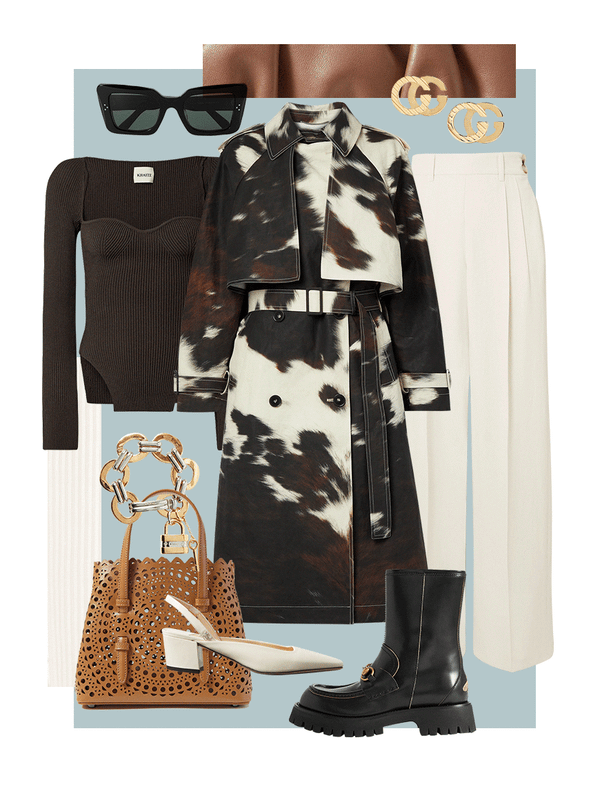
YEET Fashion Memo: Most Wanted! A curated roundup of the best new fashion arrivals, hand-picked by our editors Most Wanted.
By Wes Wang
- YEET MAGAZINE
YEET MAGAZINE24 MAR 2021 • 2 MIN READ

Deborah Turbeville: The Woman Who Transformed Fashion Photography Into Avant-Garde Art.
She is widely credited with adding a darker, more brooding element to fashion photography, beginning in the early 1970s she, Guy Bourdin and Helmut Newton changed it from traditional, well-lit
- YEET MAGAZINE
YEET MAGAZINE4 FEB 2021 • 1 MIN READ
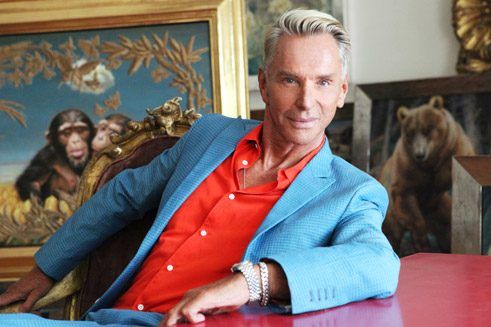
TOP TEN: The Best German Fashion Designers By Markus Ebner.
Lutz Huelle, Collection autumn/winter 2014/15 | Photo (detail): © Lutz Huelle Last year, Markus Ebner, editor-in-chief of the fashion magazine “Achtung”, selected ten favorite German fashion designers and presents them
- YEET MAGAZINE
YEET MAGAZINE5 JAN 2021 • 9 MIN READ

New talent: Discover 10 Young German Fashion Designers of The Future.
Young, original German designers are writing a fresh chapter for the country’s fashion industry. We profile some of the key names to look out for. Philomena Zanetti spring/summer
- YEET MAGAZINE
YEET MAGAZINE5 JAN 2021 • 4 MIN READ

2020 Was the Year We Demanded More From Fashion Brands — Let's Keep That Same Energy in 2021.
Although 2020 has been difficult, the year awakened us to blindspots that fashion brands have and taught us a valuable lesson in where we spend our dollars. Every time I've
- YEET MAGAZINE
YEET MAGAZINE31 DEC 2020 • 4 MIN READ

Fashion TikTok is booming. Can it last?
TikTok has spent the year recruiting fashion influencers and luxury brands to its platform, becoming a home for educational fashion hacks and inclusive inspiration. When fashion shows moved online this
- YEET MAGAZINE
YEET MAGAZINE5 AUG 2020 • 1 MIN READ
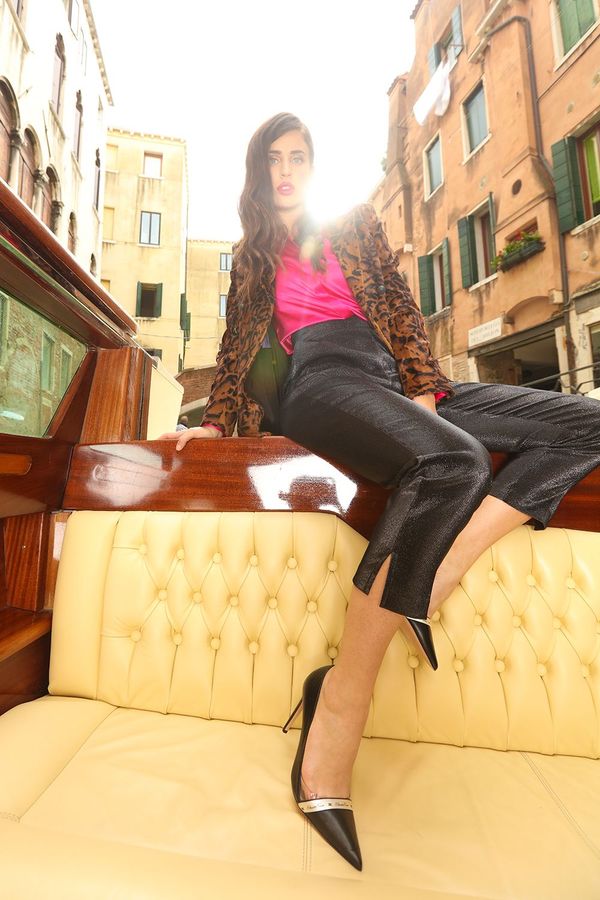
Coronavirus: Inside Italy’s Luxury Fashion Unethical Global Supply Chain
This today is MASSIVE STORY. It's a story about slave labor, luxury fashion, coronavirus, our complicity as consumers in unethical global supply chains and potentially large coverups. Green Queen Media
- YEET MAGAZINE
YEET MAGAZINE8 APR 2020 • 1 MIN READ
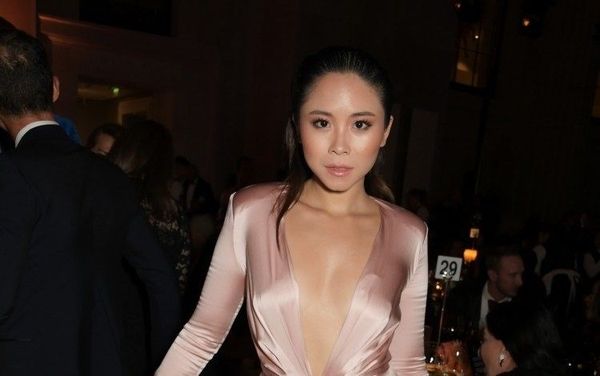
Vietnamese jet-setter with coronavirus attended top fashion shows in Milan and Paris
A wealthy Vietnamese jet-setter who tested positive for coronavirus after a trip to Europe attended luxury catwalk shows at fashion weeks in Milan and Paris. Among the events Nga Nguyen,
- YEET MAGAZINE
YEET MAGAZINE8 MAR 2020 • 1 MIN READ

Miami marvels: fashion’s finest findings at Design Miami/Art Basel
Balenciaga The French fashion brand is putting the circular economy and need for greater transparency at the very heart of the home, with an oblong sofa designed by Crosby Studio’
- YEET MAGAZINE
YEET MAGAZINE8 DEC 2019 • 4 MIN READ
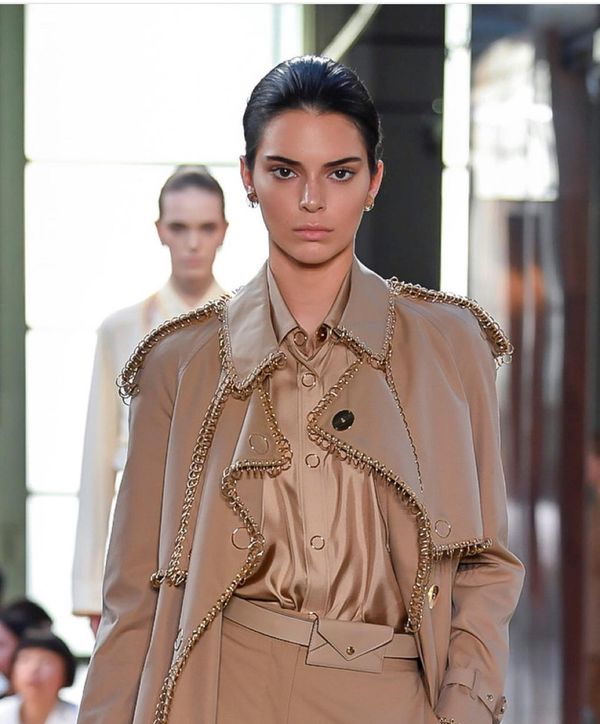
Making A Change! Burberry Reveals Plans To Go Plastic-Free By 2025
"Each year, we throw away enough plastic to circle the planet four times, 50 percent of which was only used once." Burberry plans to get rid of all
- YEET MAGAZINE
YEET MAGAZINE19 MAR 2019 • 1 MIN READ
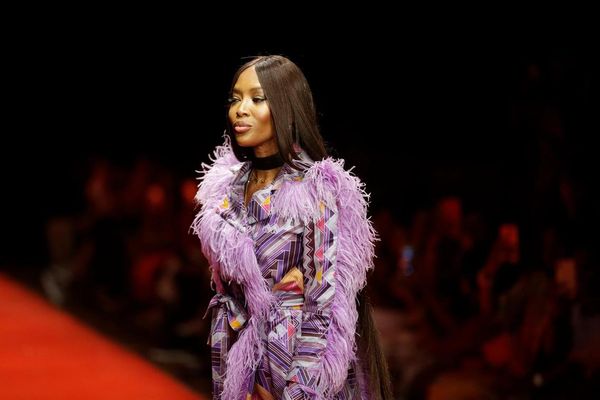
Supermodel Naomi Campbell urges 'Vogue' to launch African edition.
Campbell said there was a need for better representation of the continent. Supermodel Naomi Campbell said on Sunday that Vogue magazine should launch an African edition to recognise the continent's
- YEET MAGAZINE
YEET MAGAZINE4 APR 2018 • 2 MIN READ
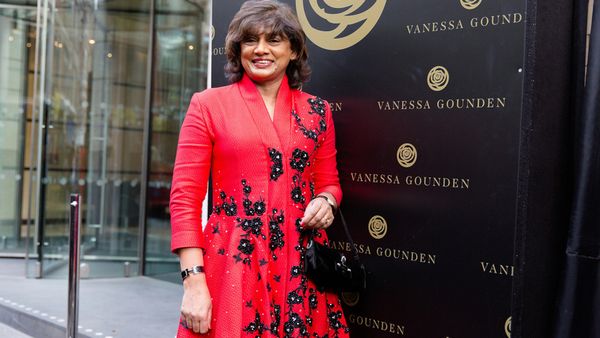
Q&A with CEO of Doré Fashion, Vanessa Gounden.
We sat down with CEO of South Africa's leading luxury fashion emporium DORÈ, Vanessa Gouden, talking about the creative journey of Doré, their latest designer addition and what makes this
- YEET MAGAZINE
YEET MAGAZINE2 APR 2018 • 4 MIN READ

BURBERRY LAUNCHES PARTNERSHIP WITH FARFETCH
Global inventory available for first time on Farfetch.com Expands Burberry’s reach to over 150 countries, reinforcing omnichannel leadership London, 15 February 2018 Burberry today announces a new global
- YEET MAGAZINE
YEET MAGAZINE26 FEB 2018 • 3 MIN READ

Dolce & Gabbana is using drones to model its handbags at Milan Fashion Week.
By Alexandra Ma Dolce & Gabbana used quadcopter drones to model handbags on the runway. You can see some footage of the hi-tech fashion show below. Dolce & Gabbana's latest
- YEET MAGAZINE
YEET MAGAZINE26 FEB 2018 • 1 MIN READ

How Cristobal Balenciaga became a famous handbag designer.
It is hard for us to imagine a notable fashion empire was created by a 16-year-old, but Cristobal Balenciaga did it and did it very well. As early as 13,
- YEET MAGAZINE
YEET MAGAZINE19 NOV 2017 • 3 MIN READ

Givenchy - French Fashion Born Of Aristocracy.
Givenchy is known for high-quality and luxurious clothing, accessories and cosmetics, as well as their perfume division, Parfums Givenchy. Givenchy himself is a French aristocrat, with the full name of
- YEET MAGAZINE
YEET MAGAZINE17 NOV 2017 • 2 MIN READ
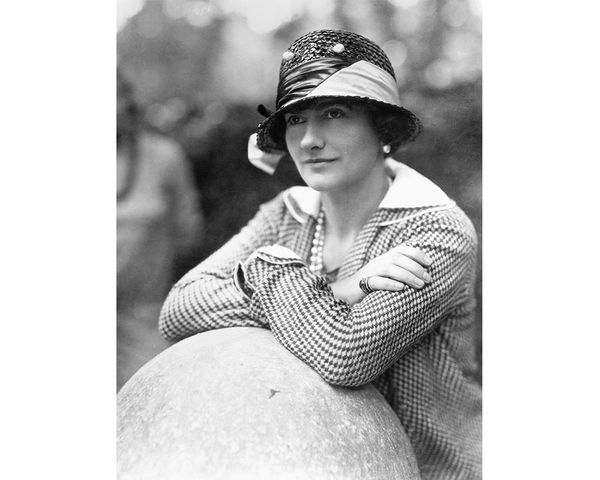
15 THINGS YOU DIDN'T KNOW ABOUT COCO CHANEL.
News, breaking news, headline news, latest news, top news ,online news ,video news world, news,travel news ,women's magazine Fashion, Beauty, Psychology, Cooking and Shopping. The world famous and often
- YEET MAGAZINE
YEET MAGAZINE6 OCT 2017 • 8 MIN READ