
Swim Into Chicago River Roast Restaurant in Chicago: A Breathtaking View and Delicious Dining Experience
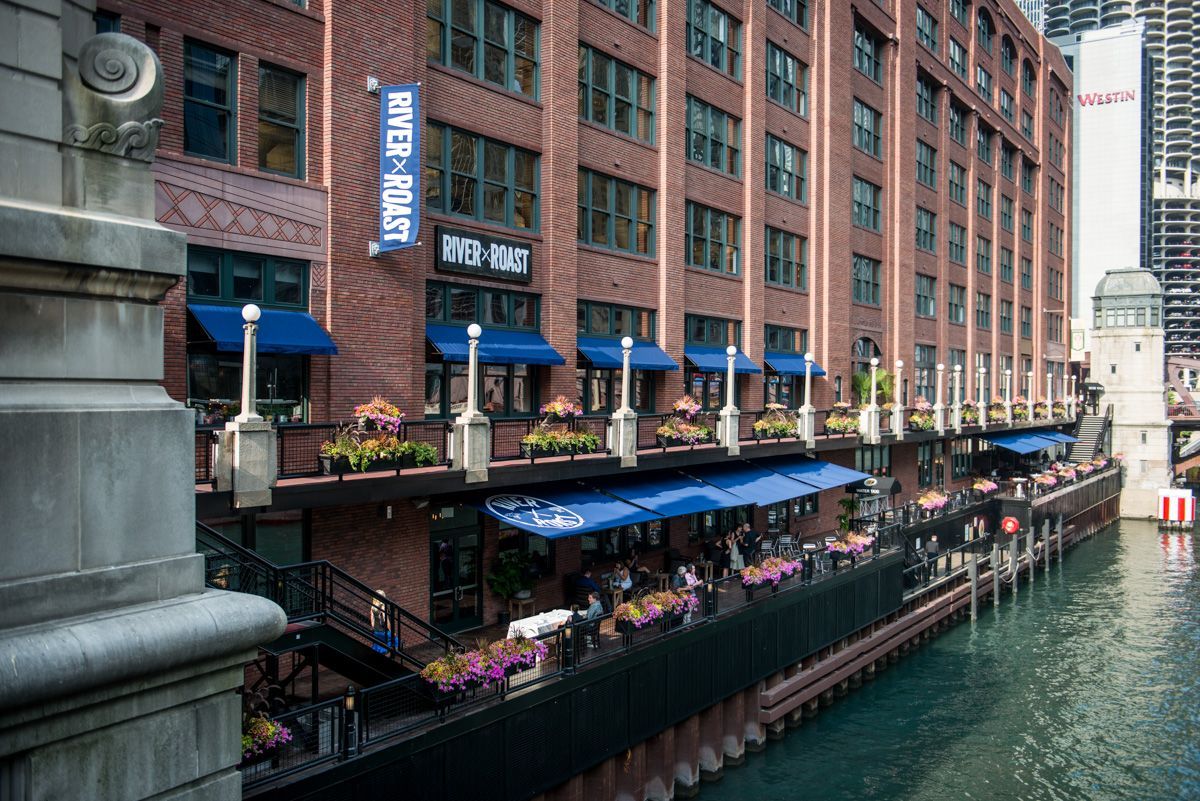
A short walk from the Westin Chicago River North is the River Roast restaurant. With uncompromising views of the Chicago River, River Roast has brought a new kind of cuisine to the city, for locals and tourists alike.

top restaurants in chicago best trendy restaurants in chicago 10 best restaurants in chicago restaurants chicago restaurants with a view best restaurants in chicago with a view restaurants downtown chicago rooftop restaurants chicago
By YEET MAGAZINE | Updated 0439 GMT (1239 HKT) November 24,2022
River Roast Restaurant in Chicago: Breathtaking View and Delicious Dining Experience
Swim Into Chicago River Roast Restaurant in Chicago: A Breathtaking View and Delicious Dining Experience

Index
Deliciously prepared food. Relaxed atmosphere. And a beautifying view. What more could you ask for, really?
A short walk from the Westin Chicago River North is the River Roast restaurant. With uncompromising views of the Chicago River, River Roast has brought a new kind of cuisine to the city, for locals and tourists alike.

With a simple yet sophisticated menu that focuses on quality ingredients and expertly prepared dishes, River Roast is the perfect place to spend time with friends in a relaxed, scenic setting. There is no specific dress code, your favorite casual outfit will do.
The restaurant's location on the banks of the Chicago River offers guests unparalleled views of the city's waterfront. Regardless of where you sit in the restaurant, you will be able to enjoy the view.

River Roast opened in 2014 after Chicago native Chef Tony Mantuano returned from a trip to Europe. He had discovered the British tradition of Sunday Roast, a meal enjoyed by friends and family right after church, and decided to bring it to the United States.
We want our guests to experience soul-warming dishes reminiscent of Sunday night supper, seven days a week. ”
- Cedric Harden, River Roast Chef

The Sunday Roast is typically a slow-roasted piece of meat that is served with gravy, potatoes and some vegetables.
Chef Mantuano has added a modern twist by including more meat and fish options and careful attention to detail to bring out the best in each ingredient.

You'll be hard pressed to choose between traditional locally sourced roast beef, the restaurant's signature roast chicken, cut tableside and served with applewood-smoked potatoes, or the applewood-smoked Berkshire cider salt pork served with apple bread. corn. Vegetarians are not forgotten with an entire section of the menu devoted to delicious roots and vegetables.

To finish off the night with a nice touch, the restaurant has recently expanded to include a bar area. Drawing inspiration from Chicago's rich drinking history, Reid Bar welcomes guests to a rustic yet cozy atmosphere with mouthwatering cocktails.
restaurant information
Address: 315 N. LaSalle St. Chicago, Il 60654, USA
Website: www.riverroastchicago.com
Opening hours:
- Lunch from 11:30 am to 3 pm Monday to Friday
- Dinner from 5pm to 10pm from Monday to Thursday, from 5pm to 11pm on Friday and Saturday and from 5pm to 9pm on Sunday
- Brunch from 11 am to 2:30 pm on Saturdays and Sundays
Share this article !
Subscribe to our newsletter
You will be the first to receive our best offers, exclusive promotions and travel tips. In addition, we will keep you informed of the places where you can travel.
READ MORE ON YEET TRAVEL
Top 12 Things To Do In HawaiiHere are some articles related to visiting Hawaii: 1. Hawaii tourism 2. Hawaiian islands 3. Vacation in Hawaii 4. Traveling to Hawaii 5. Things to do in Hawaii 6. Hawaii attractions 7. Beaches in Hawaii 8. Hawaiian culture 9. Hawaiian cuisine 10. Hawaii hotels 11. Hawaiian resorts 12. Hawaii activities...
 YEET MAGAZINE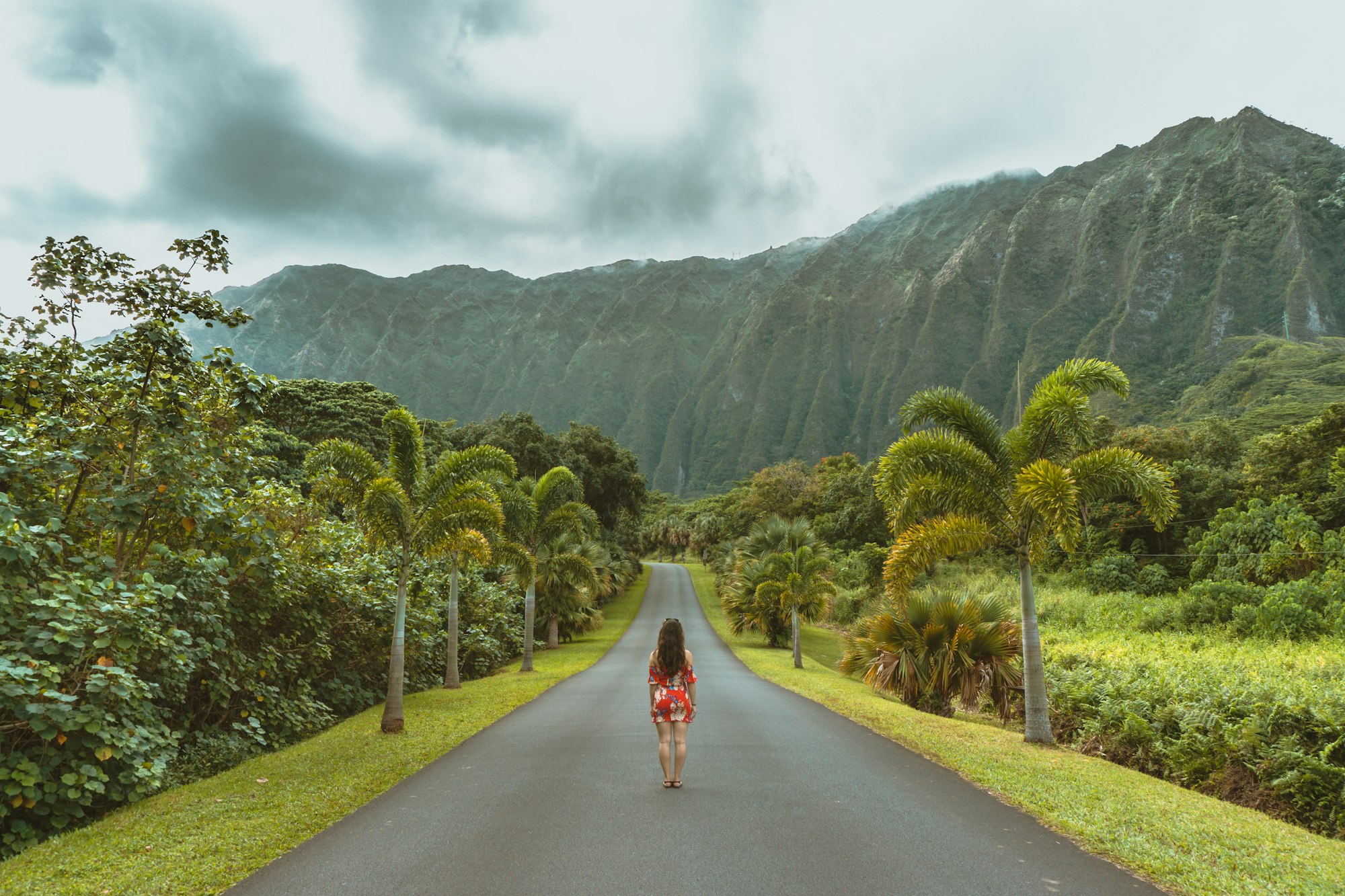
Hawaii : A Significant tourism Industry For The US, Attracting Millions Of Visitors Each Year.
Here are some articles related to visiting Hawaii: 1. Hawaii tourism 2. Hawaiian islands 3. Vacation in Hawaii 4. Traveling to Hawaii 5. Things to do in Hawaii 6. Hawaii attractions 7. Beaches in Hawaii 8. Hawaiian culture 9. Hawaiian cuisine 10. Hawaii hotels 11. Hawaiian resorts 12. Hawaii activities...
YEET MAGAZINE
Swim Into Chicago River Roast Restaurant in Chicago: A Breathtaking View and Delicious Dining Experience
A short walk from the Westin Chicago River North is the River Roast restaurant. With uncompromising views of the Chicago River, River Roast has brought a new kind of cuisine to the city, for locals and tourists alike.
YEET MAGAZINE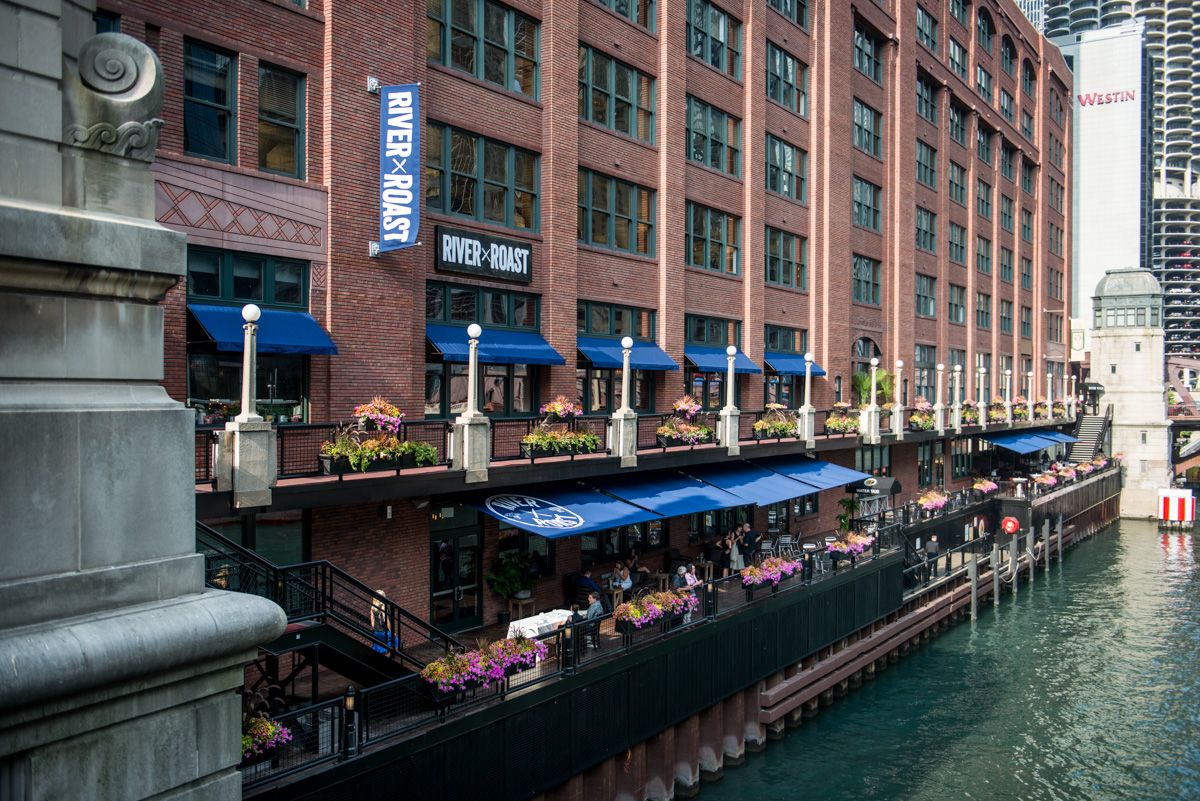
7 Reasons To Vacation In AustraliaSummer is comming !
If you haven't chosen a travel destination yet, it's time to make up your mind, because the longer you delay booking your plane ticket, the more expensive it is likely to be! Why not book for Australia?..
YEET MAGAZINE
Traveling to Greece this summer? Get An Exclusive Access To Luxury Mykonos Villas, Perfect white painted buildings and cobalt blue doors. Endless blue skies of the Mediterranean. Sparkling turquoise waters. Breathtaking sunset. Surreal panoramas. Romantic cobbled streets…
YEET MAGAZINE
Greece, Portugal, Turkey, These Are The 25 Cheapest Places In The World To Go On Vacation
The majority of us lead a life that is dictated by a single phrase: “metro, work, sleep”. Working 8 hours a day can become very exhausting both mentally and physically. Fortunately, we are going to relax your mind and body with the cheapest travel destinations in the world!
YEET MAGAZINE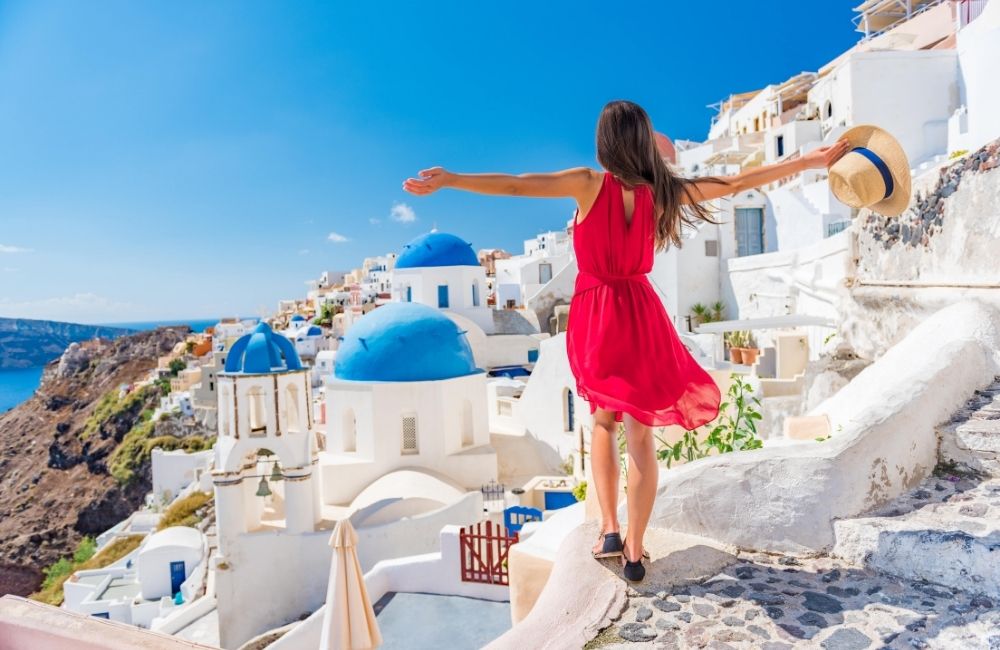
Los Angeles: Château Marmont, Celebrity Hotel To Become An Even More Private Destination
Already very exclusive, the seven-storey hotel will be even more "select" this year by becoming a private hotel. It will offer a range of services, including a private dining room...chateau marmont room 64 chateau marmont menu book chateau marmont chateau marmont rooms...
YEET MAGAZINEDiscover India by Train with Luxury Maharajas Express Tourmaharajas express ticket price maharajas express route and fare maharajas' express photos maharajas' express train number maharaja express ticket price in rupees maharaja express booking maharaja express schedule maharaja express booking online...
YEET MAGAZINE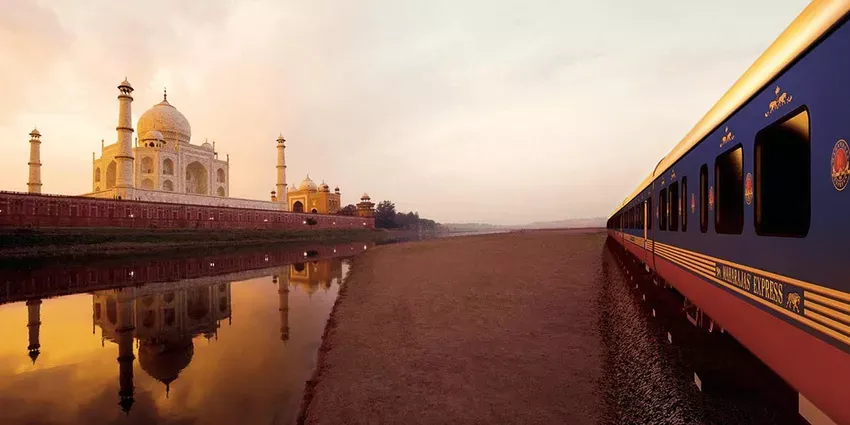
California: 5 Amazing Things To Do In San DiegoFind attractions, accomodations, hotel, parc, and resort that suits your style, from resorts that think big to little-known gems.
YEET MAGAZINE
London's 10 Best Museums And Art Galleries To Visit In 2022
Art is as vital to humanity as breathing itself. From primordial cave paintings to classic portraits of romantics that took years to complete, art is a way of expressing ourselves that captures the hearts of others.
YEET MAGAZINE
Inside the Oscar-worthy InterContinental Los Angeles Century City luxury hotel in Beverly HillsLos Angeles. The glitz and glamor of Hollywood, the scorching sun and plenty of celebrity spotting opportunities. If you haven't already convinced yourself to live the LA style, this luxury hotel certainly will be.
YEET MAGAZINE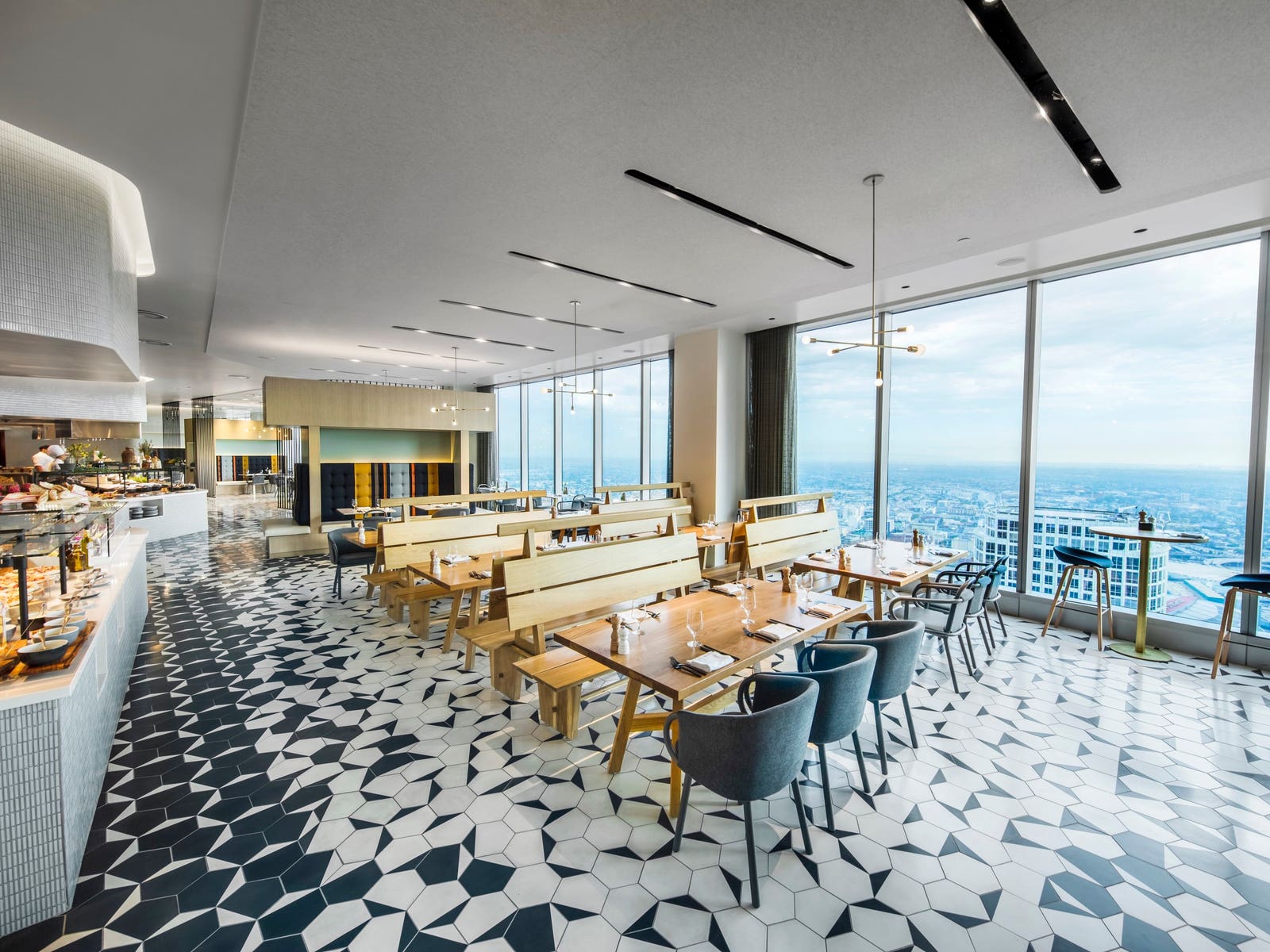
From California To Bangkok : A Jetsetter’s Guide to SummerRoad trips can be a classic American experience, and no route is lovelier than Highway One between Carmel and Big Sur...
YEET MAGAZINE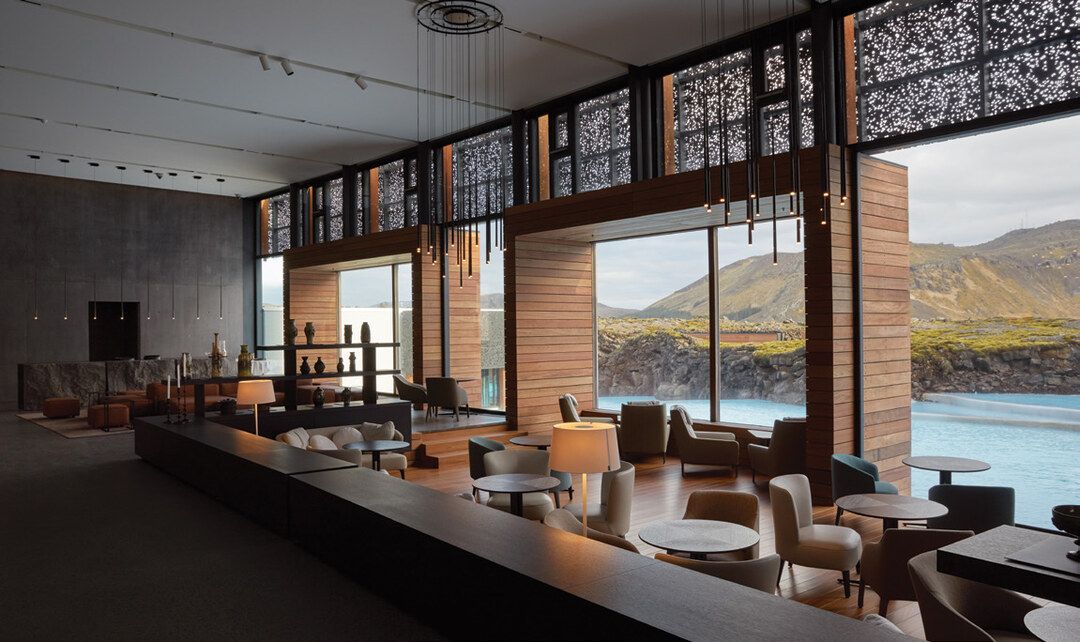
The Perfect Frost: 9 Good Reasons To Visit Venice In WinterWinter, summer, spring, autumn there is always a good reason to visit Venice. This is a unique and inimitable city in the world, which has such a magical and romantic atmosphere that it manages to enter directly into people's hearts.
YEET MAGAZINE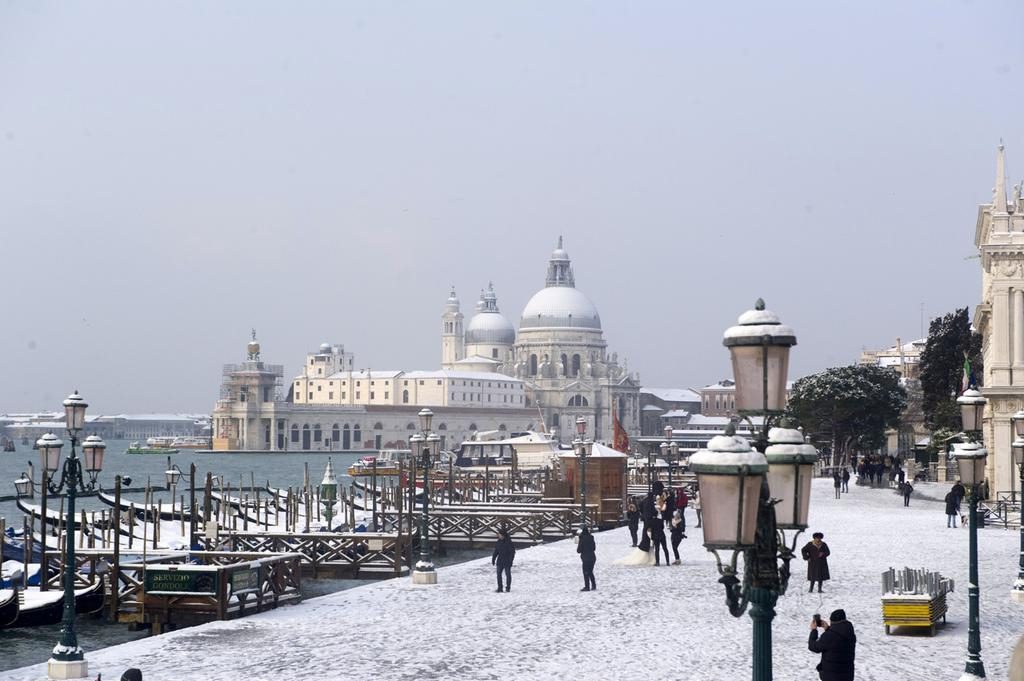
The Future of Traveling Well
AI concierge While virtual reality has the ability to immerse people in the experiences of others, meaningful travel will always come from getting out there and having your own.
YEET MAGAZINEPilots Reportedly Making More Mistakes After Months Without FlyingOne of the industries most affected by the Covid-19 pandemic is commercial aviation.
Closed borders, confinements, tourism at a standstill ... airlines have seen their flights shrink. Thousands of employees in the sector have therefore had to go on partial unemployment or in reduced activity .
YEET MAGAZINE
This Christmas , You Could Experience The Lush Life in La Plagne, France.
While you may be thinking that winter is still several months away, it is always best to book a place in La Plagne as early as possible.
YEET MAGAZINE
Travel: The 21 Destinations To rediscover In 2021
After a trying year, 2021 is synonymous with hope and renewal, with the desire to sail towards other horizons, favoring nature and ecotourism. Discover our selection of destinations, near or far, to awaken the spirit of travel and recharge your batteries.
YEET MAGAZINE
14 useful Airport Hacks That Could Change The Way We Travel Airports are dynamic spaces, full of travelers who strive to get from point A to point B with as few hitches as possible.
YEET MAGAZINEEuropean Countries, Ranked From Worst to First : Find out Which One Is Best Place To Live And To
A YEET Travel, we asked ourselves this question, and considering how many countries are in Europe, we decided there are plenty of things not to love. It’s a tough pill to swallow, but a good deal of Europe’s 44 official countries (as recognized by the United Nations) ...
Travel From New York To Paris In Less Than An Hour Could Be Soon Possible Thanks To HyperloopHyperloop:
Project by Elon Musk and now a lot of Startup, it is a tube in which capsules are propelled by magnetic field. For the moment, they travel at the maximum at 1000km / h, that is to say the speed of an airliner approximately. So a little more work before arriving in New York in 1 hour...
YEET MAGAZINE
We Found The Best City In World To Live
Auckland is officially the best city to live in the world Populated by art museums, an expert in Sauvignon Blanc and slightly impacted by the Covid, this New Zealand city would be a small daily paradise.
YEET MAGAZINEVisit Brussels In 3 days: What To Do? Our Practical Guide
Brussels is considered to have multicultural vibes that initially make everyone feel right at home in its historic and hip streets that are full of friendly diversity. Architectural feats and tasty delights with the cultural quirks, Brussels has it all.
YEET MAGAZINE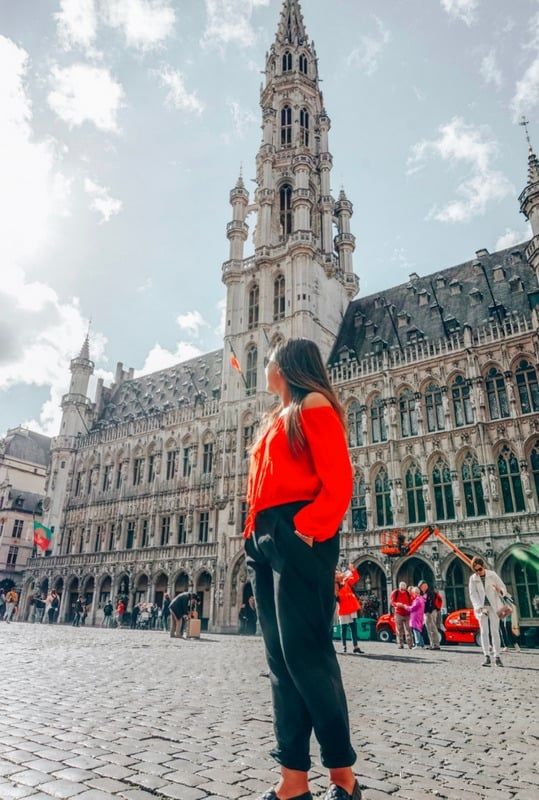
Palazzo Grimani: A Sumptuous Venetian Palace
Palazzo Grimani belonged to a doge and then to his son, a cardinal who had the virtue of being a great collector. Until 2022, his sculptures are exceptionally returned to their place of origin. Breathtaking beauty.
YEET MAGAZINEEurope : 7 dream Pools To Cool Off In France This Summer
No need to travel far to take a dip in an idyllic setting. Our selection of indoor and outdoor pools, to swim with panache every vacation.
YEET MAGAZINE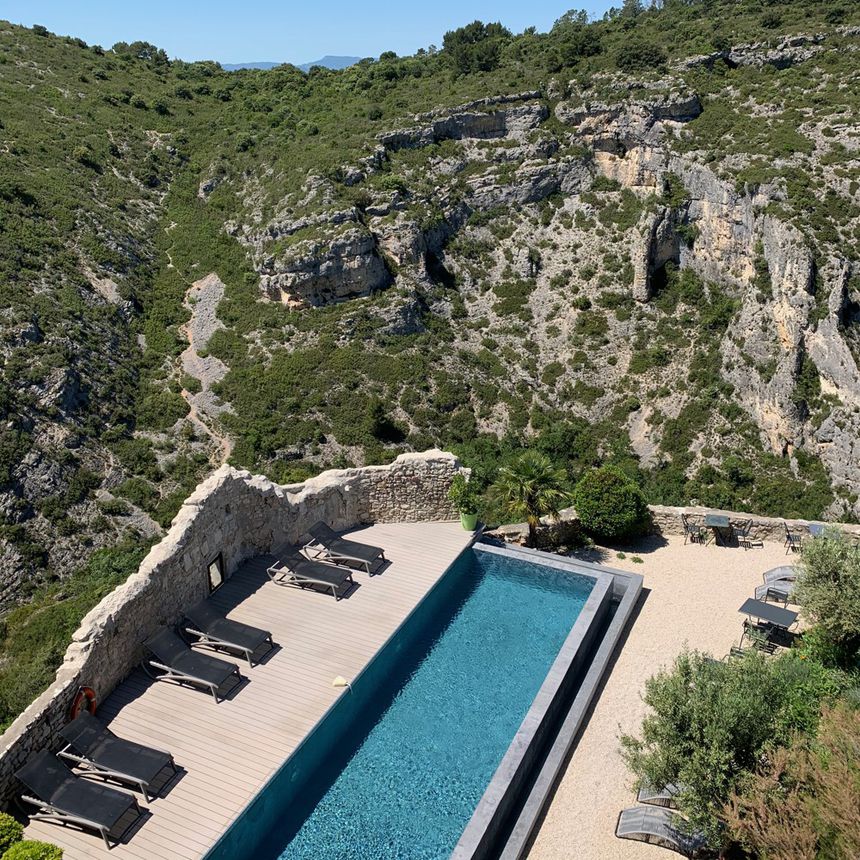
Blue Dragon River Portugal : The Fascinating Tale Of The Odeleiteodeleite river odeleite river portugal odeleite river
YEET MAGAZINEWork Abroad While Traveling? Here Are The Top 20 Jobs To Consider
Working abroad is a great opportunity for young graduate For a first professional experience, many young people dream of working abroad. embarking in working holiday programs such as "young" visa for traveling which allows young people aged 18 to 30 to travel.
YEET MAGAZINE
Kerala, An Indian God’s Own Country Where Life Embraces Nature And Capital Of The World's First Martial Art
Embark upon your journey with Kochi, a major port city on the Malabar Coast of India bordering the Laccadive Sea, a part of the Arabean Sea.
YEET MAGAZINE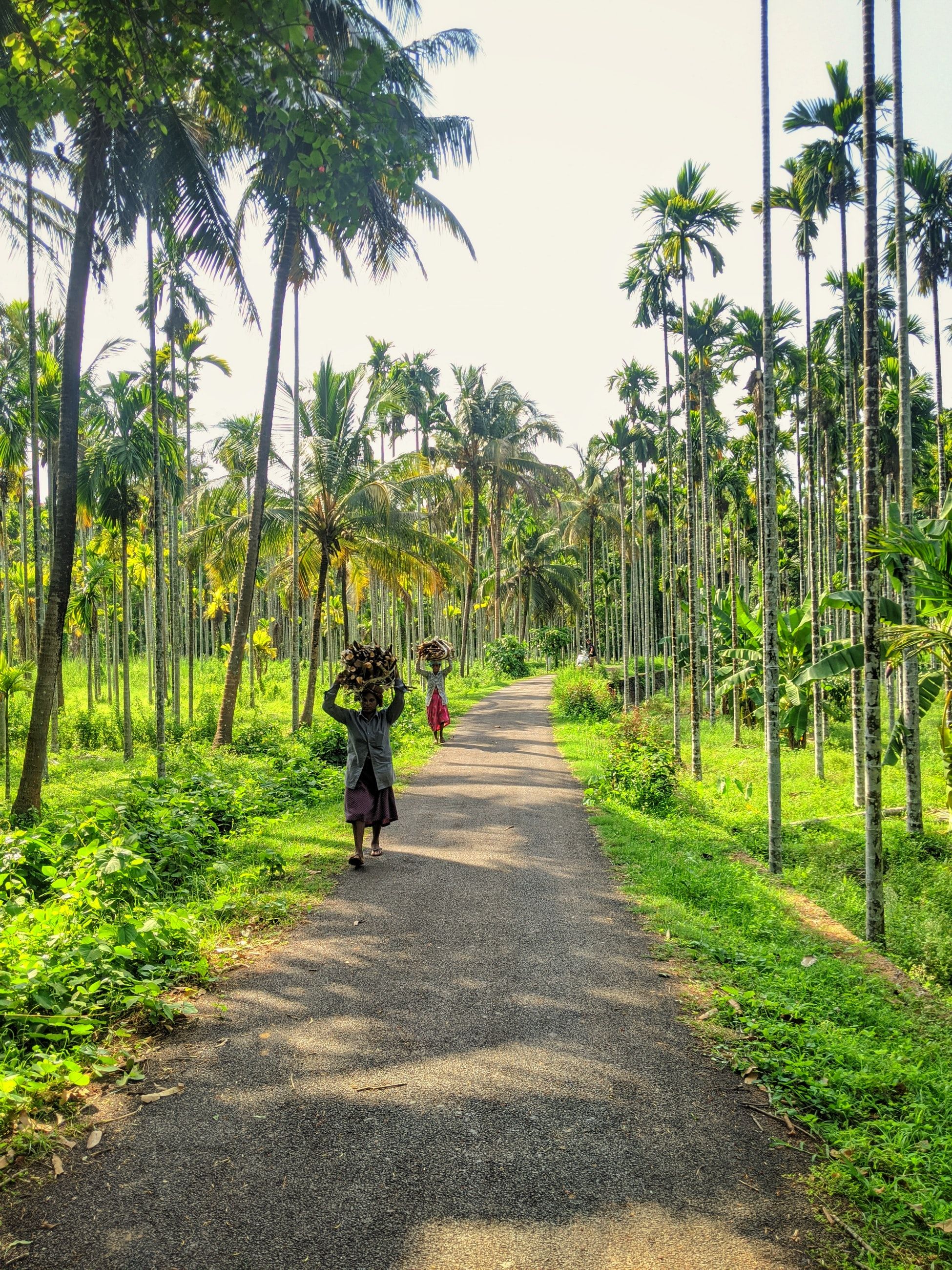
Japan : Yeet’s Backpackers Guide For An Extraordinary Trip, Even After The Coronavirus Pandemic
Between countryside and megalopolis, discover the different facets of the land of the rising sun. From Tokyo to Kyoto, see the best Japan has to offer in this exclusive guide...
YEET MAGAZINE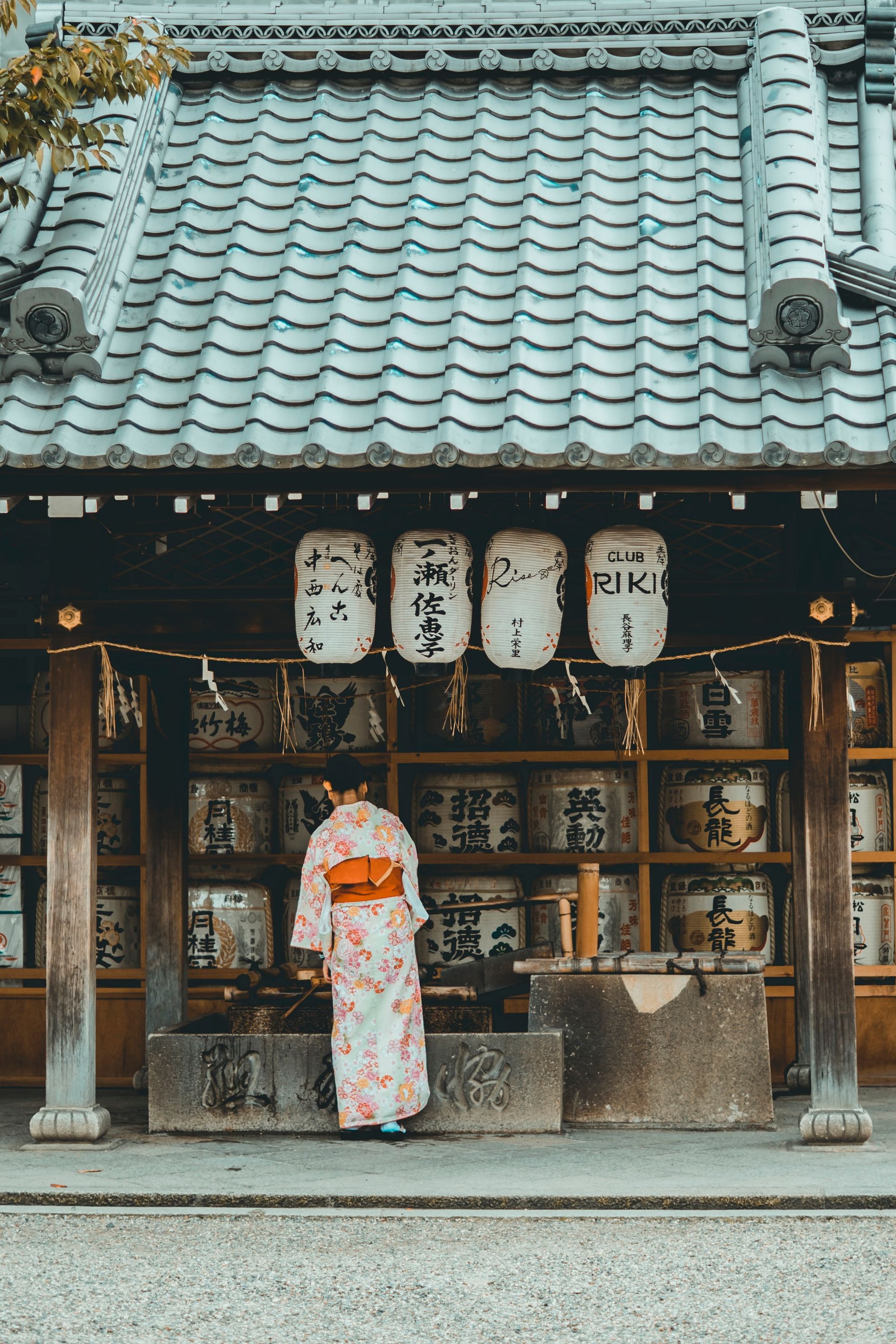
A Trip In Madurai, India : The City That Never Sleeps
Whilst traveling to South India, one gets a chance to discover the city that never sleeps. Nestled on the banks of the Vaigai river is this 2500-year-old city.
YEET MAGAZINE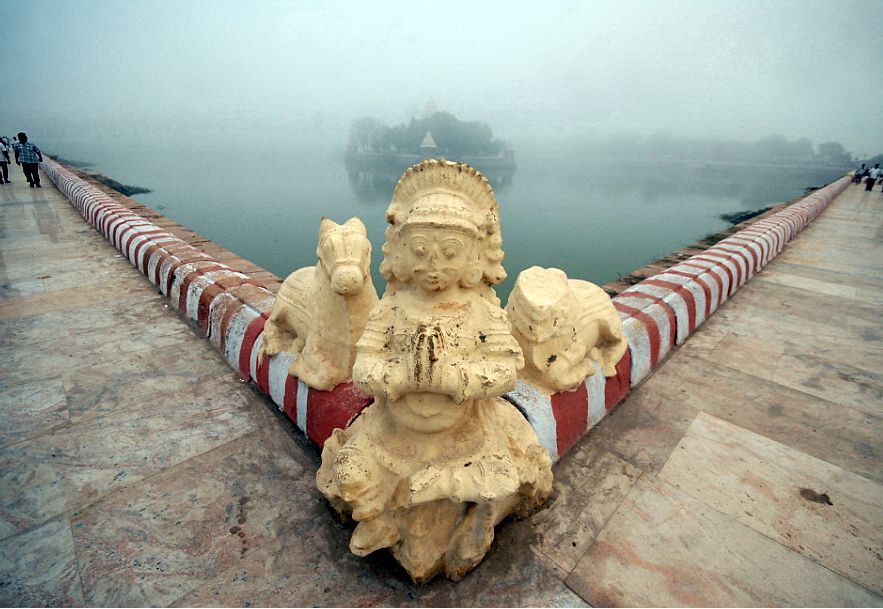
WHERE TO TRAVEL FOR HEALTH RETREAT?
How Wellness Retreats Are Booming , Becoming Travelers Favorite Vacation To Relax And Recharge.
These Five Ultimate Retreats Are To Be Checked Out And Booked As Soon As Possible.
YEET MAGAZINE
The Most Prestigious Hotel Swimming Pools In The WorldAre you planning to take a refreshing vacation in the scorching summer sun, looking for a quiet place to relax by the water? These prestigious pools will do the trick.
YEET MAGAZINE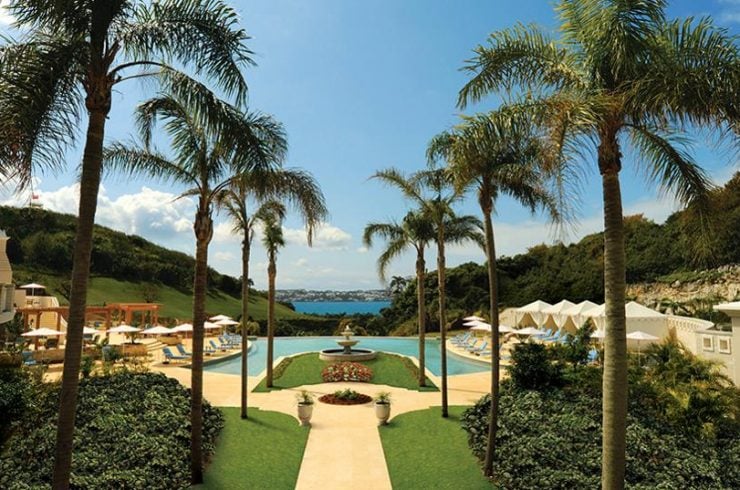
WHERE TO TRAVEL IN NEW YORK CITY?
Are You Planning A Trip to New York City? Here Are Some Interesting Events You Can Attend In One Week.
This city never sleeps for a reason — there's way too much to do. Catch an art show in Chelsea or a play Off Broadway.Head to an underground venue to see your favorite band play live or to a pop-up for a mouthwatering prix fixe meal.
YEET MAGAZINE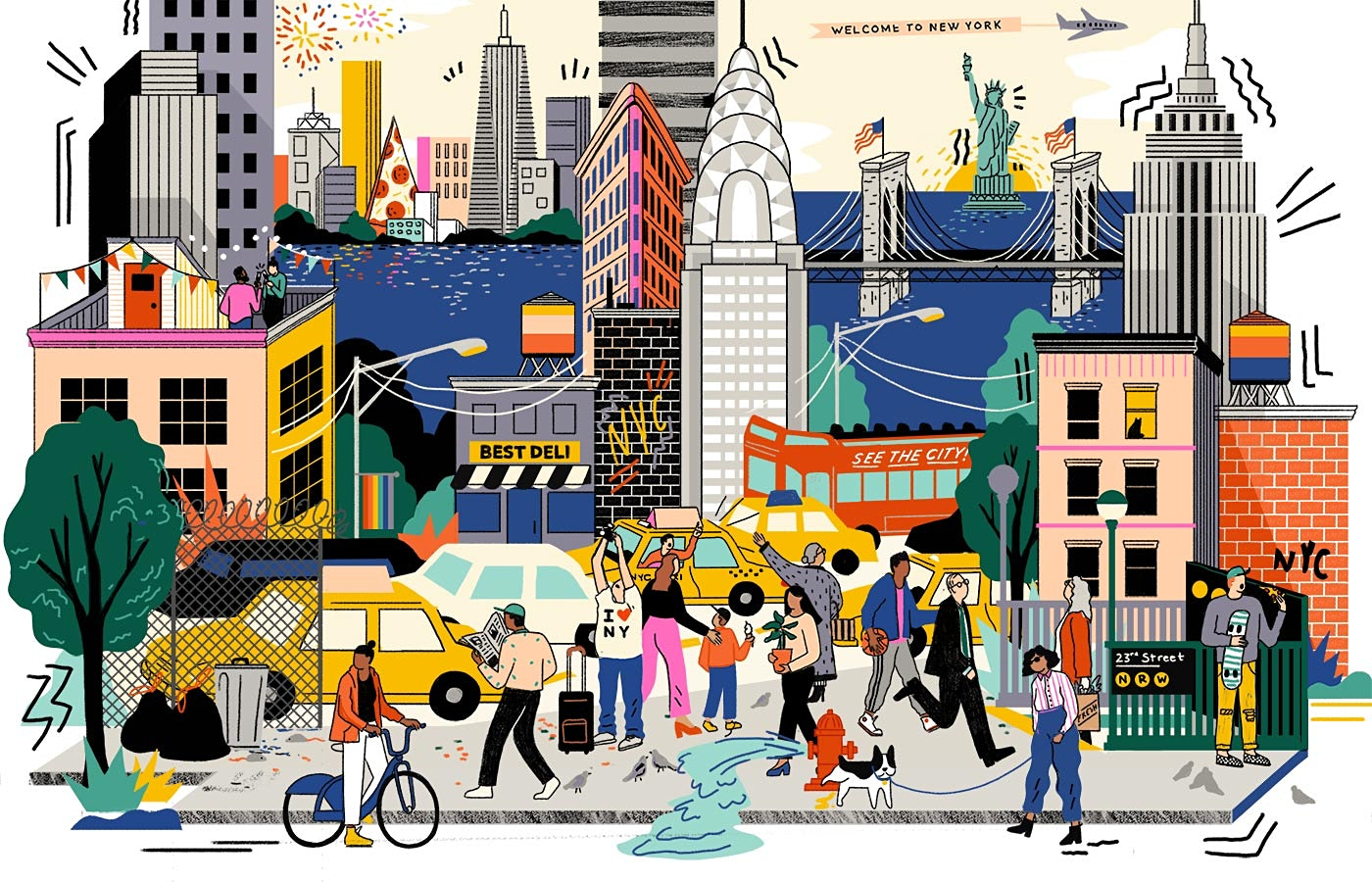
WHERE TO TRAVEL IN EUROPE?
Spending Summer In Europe?Explore Top attractions - Experience The Best Of Your Destination With Attractions, Tours, Activities.
Recommended in Europe Our top picks for Europe experiences to get you started - A courtesy of booking.com
YEET MAGAZINE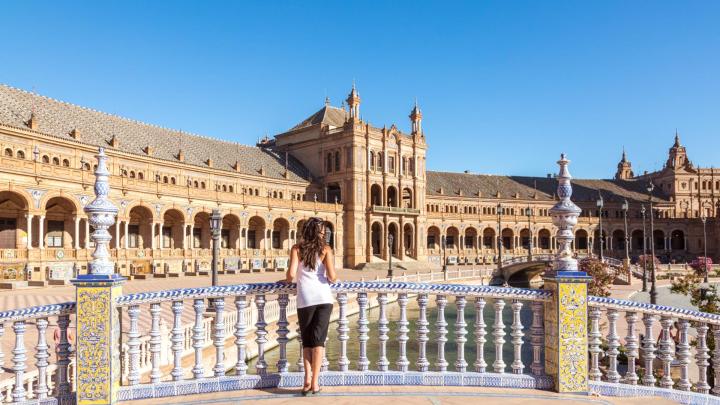
WHERE TO TRAVEL IN FRANCE?
France : These Exquisite Luxury Properties Could Be Yours To Rent On Airbnb Luxe And Prices Are Ridiculously high
YEET MAGAZINE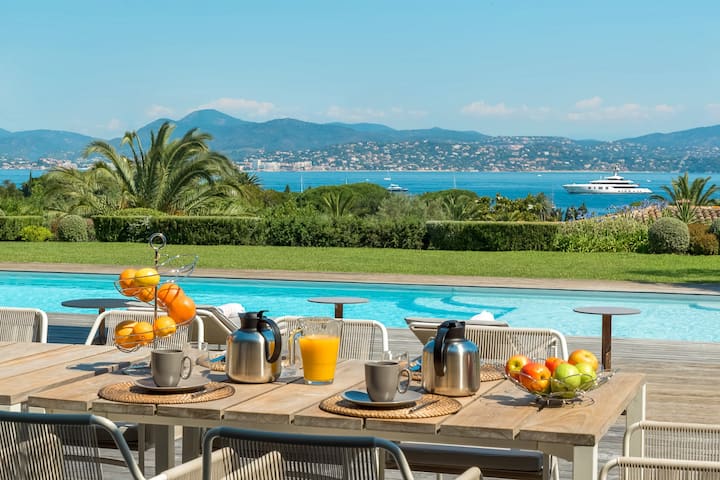
WHERE TO TRAVEL IN AUSTRALIA?
Australia : Surfer Dies After Shark AttackY
Flash News A surfer died after being attacked by a shark on a beach north of Sydney, Australian authorities said Tuesday (May 18th). The accident happened in the morning at Tuncurry Beach, located about three hours from...
YEET MAGAZINE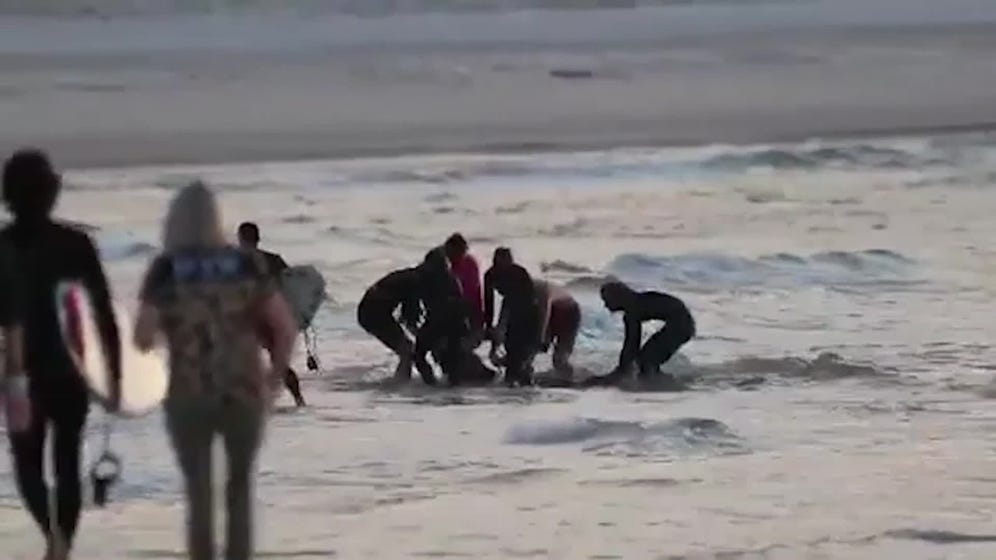
WHERE TO TRAVEL IN BERLIN?
Post- covid Tourism: Things To Do In Berlin
Updated 0658 GMT (1458 HKT) May 20, 2021 By Loic Henry What should you visit in Berlin? Small selection of places to visit that come off the usual tourist trail: Peacock Island I don't say anything so as not to spoil the fun. Just be aware that access is a...
YEET MAGAZINE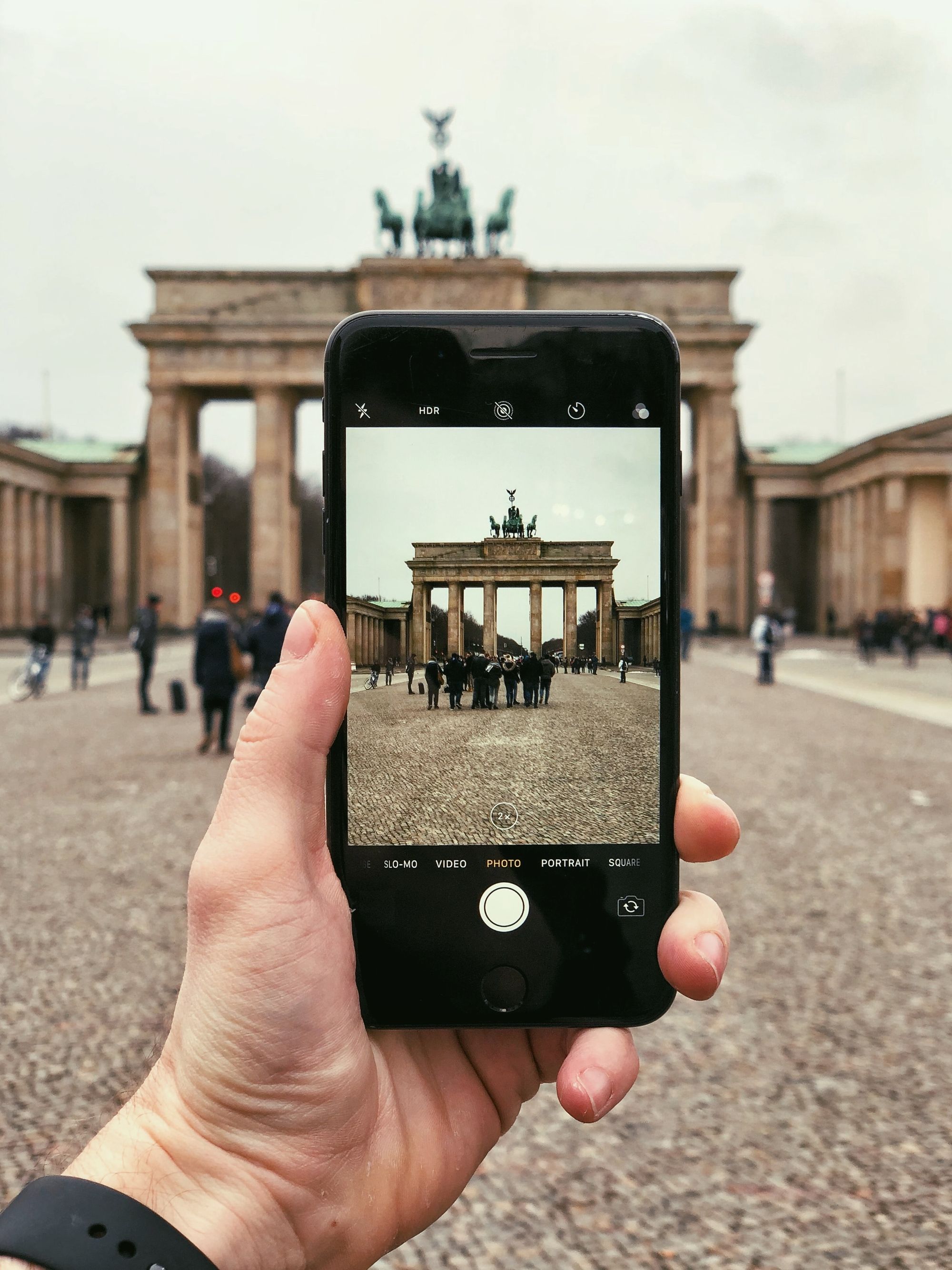
WHERE TO TRAVEL IN ASIA?
Asia’s most lavish holiday villas for a luxury ‘isocation’ experience
Accommodation, Asia, Indonesia, Regions, Thailand, Vacation Rentals Yes. You read it correctly – isocation. No typographical errors here. We know how the pandemic and the quarantine have sparked a phenomenal new wave of creativeness among people – learning new skills, discovering new hobbies, and – to the travel community – inventing new words. Isocation:
YEET MAGAZINE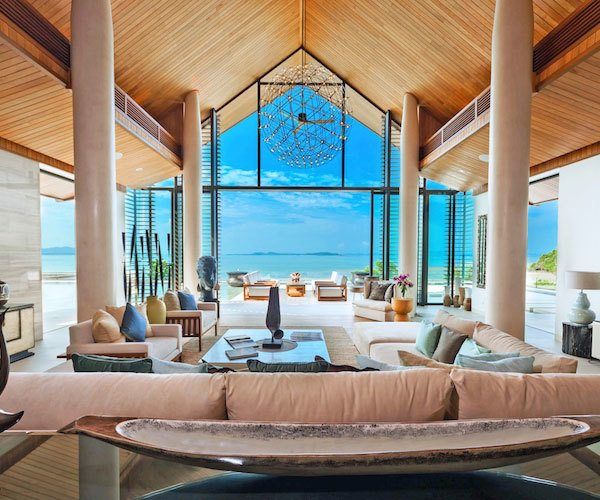
Apr 29, 2021 9 min read
WHERE TO TRAVEL IN MEXICO?
Why Australia Has The Best Beaches, Not Mexico
By Nicole Bass | What Mexico lacks (aside from a tiny strip off northern Baja) is temperate/sub-Antarctic beaches.And while Mexico’s marine life makes Mediterranean islands (definitely overrated) look sterile...
YEET MAGAZINE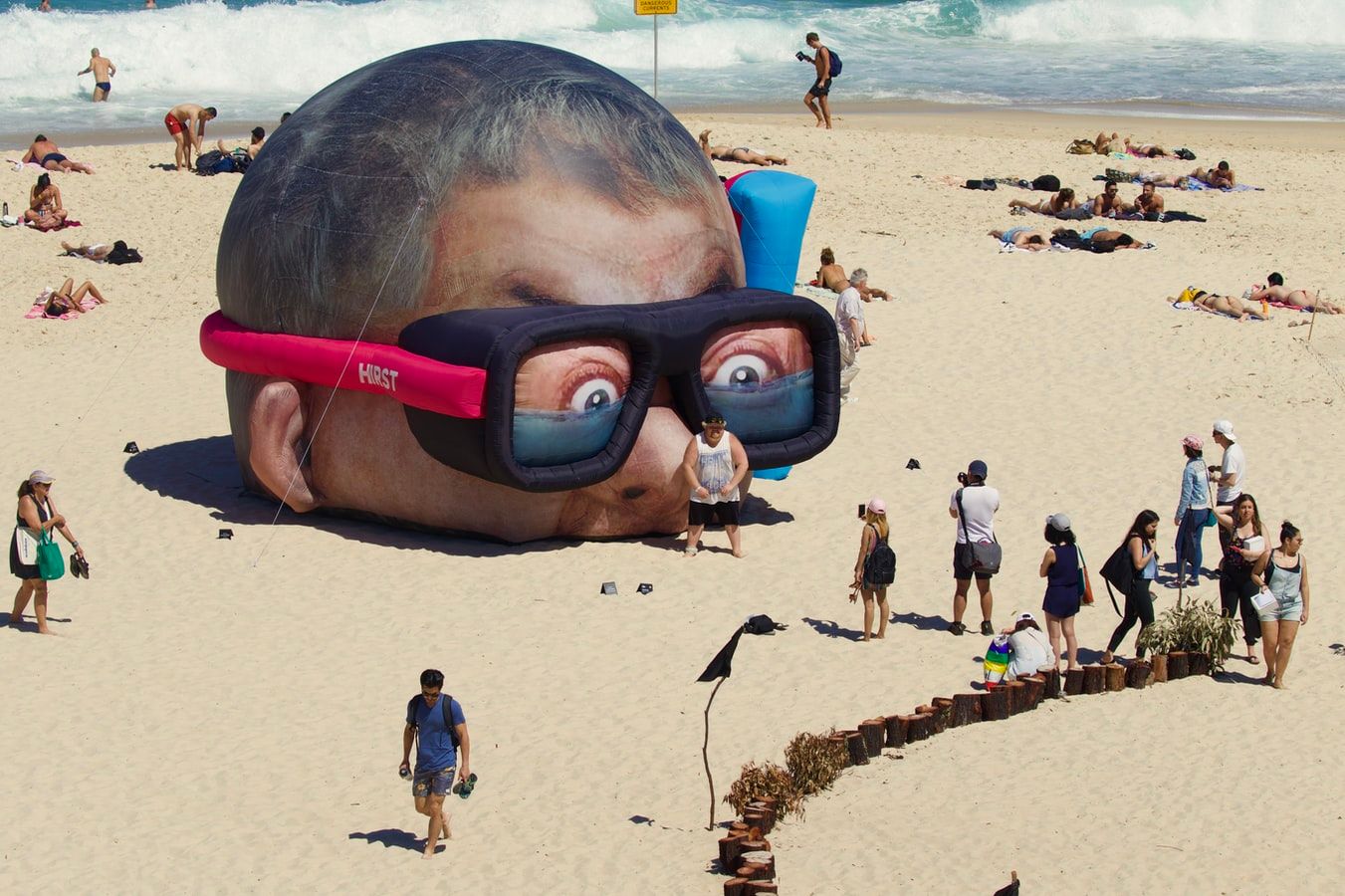
9 Airbnbs You Will Want to Rent Just for the View
Whether on the beach in Malibu, the shores of Lake Como or hidden in the Greek islands, we 've spotted nine houses of character on Airbnb, and the keys could be yours to rent this summer.
YEET MAGAZINE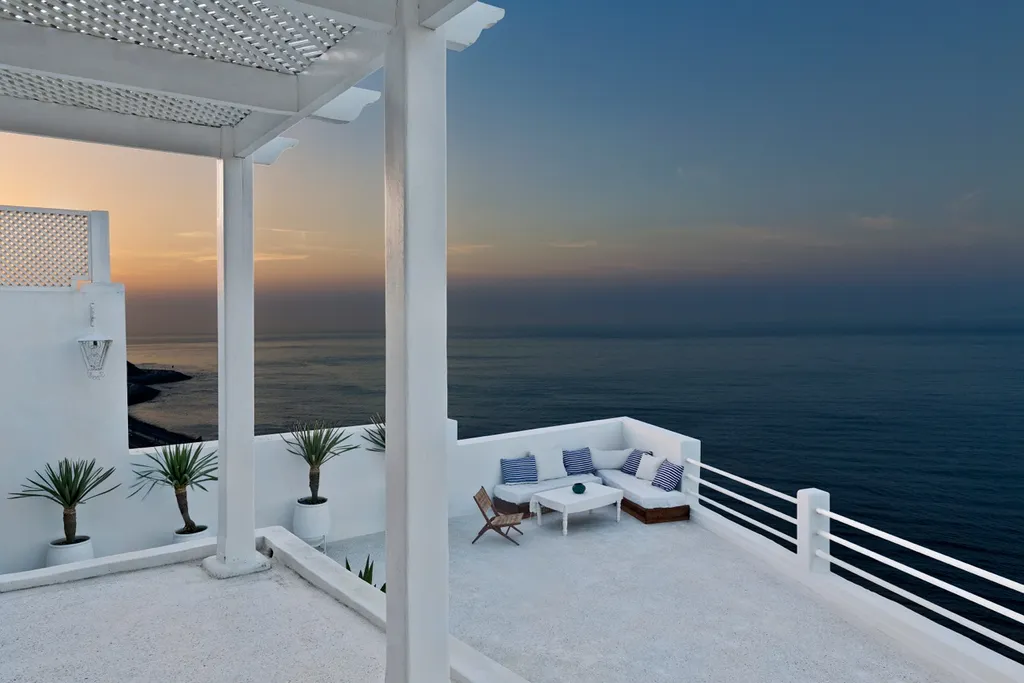
Airbnb The Best Houses With Sea View You Could Rent This Summer Are On Airbnb.
Airbnb The Best Houses With Sea View You Could Rent This Summer Are On Airbnb.By Natasha Vila | To forget lockdowns, quarantines, and travel restrictions, during COVID And beyond, one could imagine getting an overview of the beautiful houses plunging onto the most beautiful Normandy and Breton beaches for rent on Airbnb.
YEET MAGAZINE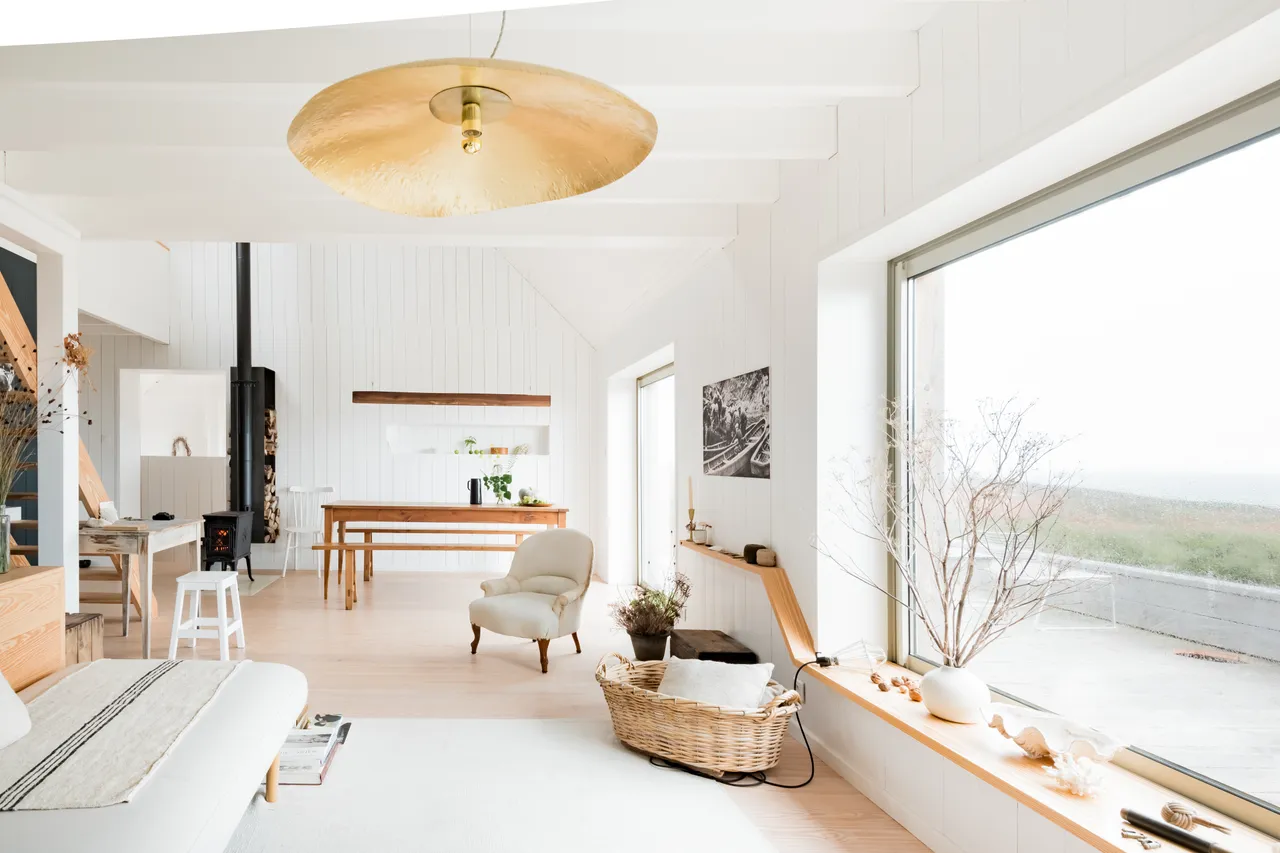
WHERE TO TRAVEL IN RIO DE JANEIRO?
Rio de Janeiro 10 Reasons To Make Brazil Your Summer Destination.
By Alexandra Di Greco | The beach, something of an agora brasiliera, is an integral part of life in Rio, more so than in any other city in the world, producing the delightful sensation of being on an endless vacation.
YEET MAGAZINE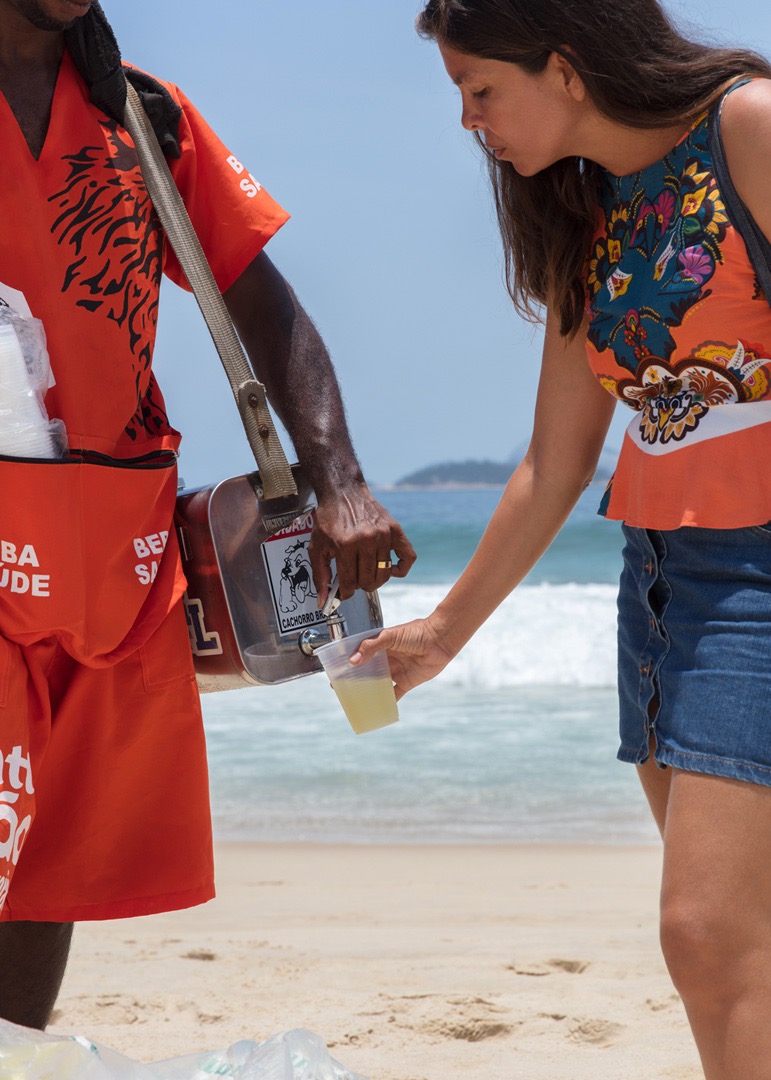
Berlin: The Edgy City, From Its Fashion To Its Architecture And Charged Political History.
By Joan Ulrich | With a population of almost 4 million people, Berlin is the second most populous city proper in the European Union and the seventh most populous urban area in the European Union.
YEET MAGAZINE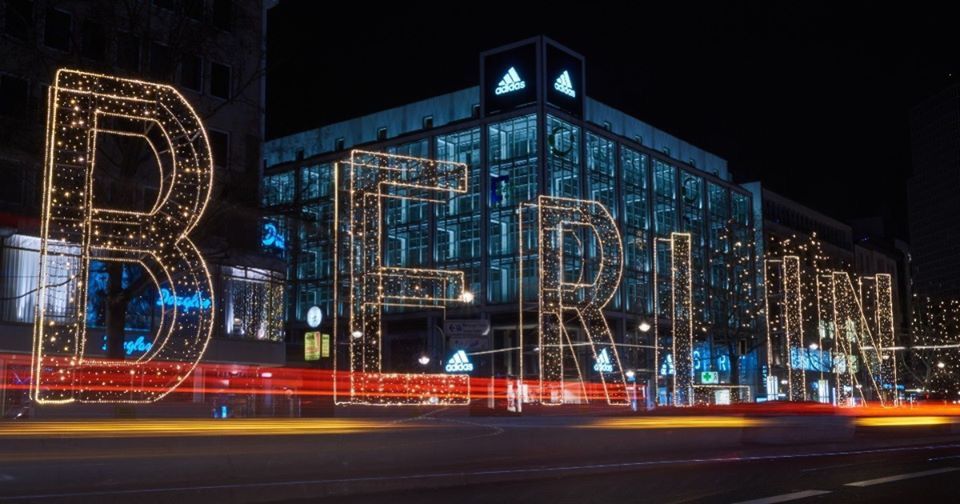
Turkey: French Tourist Jailed For Attempting To Bring Home A Holiday Souvenir.
Turkey: French Tourist Jailed For Attempting To Bring Home A Holiday Souvenir.Turkey: When Bringing A Holiday Souvenir Can Lead To Jail The ruins of Side in Turkey Joël Soler, a French documentary filmmaker has paid the price for the very strict regulations that Turkey applies regarding the possession of antiques and old stones. He was held in prison for fifty days
YEET MAGAZINE
How to get a Black Friday travel deal during the pandemic.Major travel sites are offering deals up to 75% off on Black Friday. Millions of Americans expected to travel for Thanksgiving despite CDC warnings Americans plan to travel on holiday after CDC provides stay-at-home guidance; Laura Ingle reports. You can plan your next great escape, even in turbulent travel times.
YEET MAGAZINE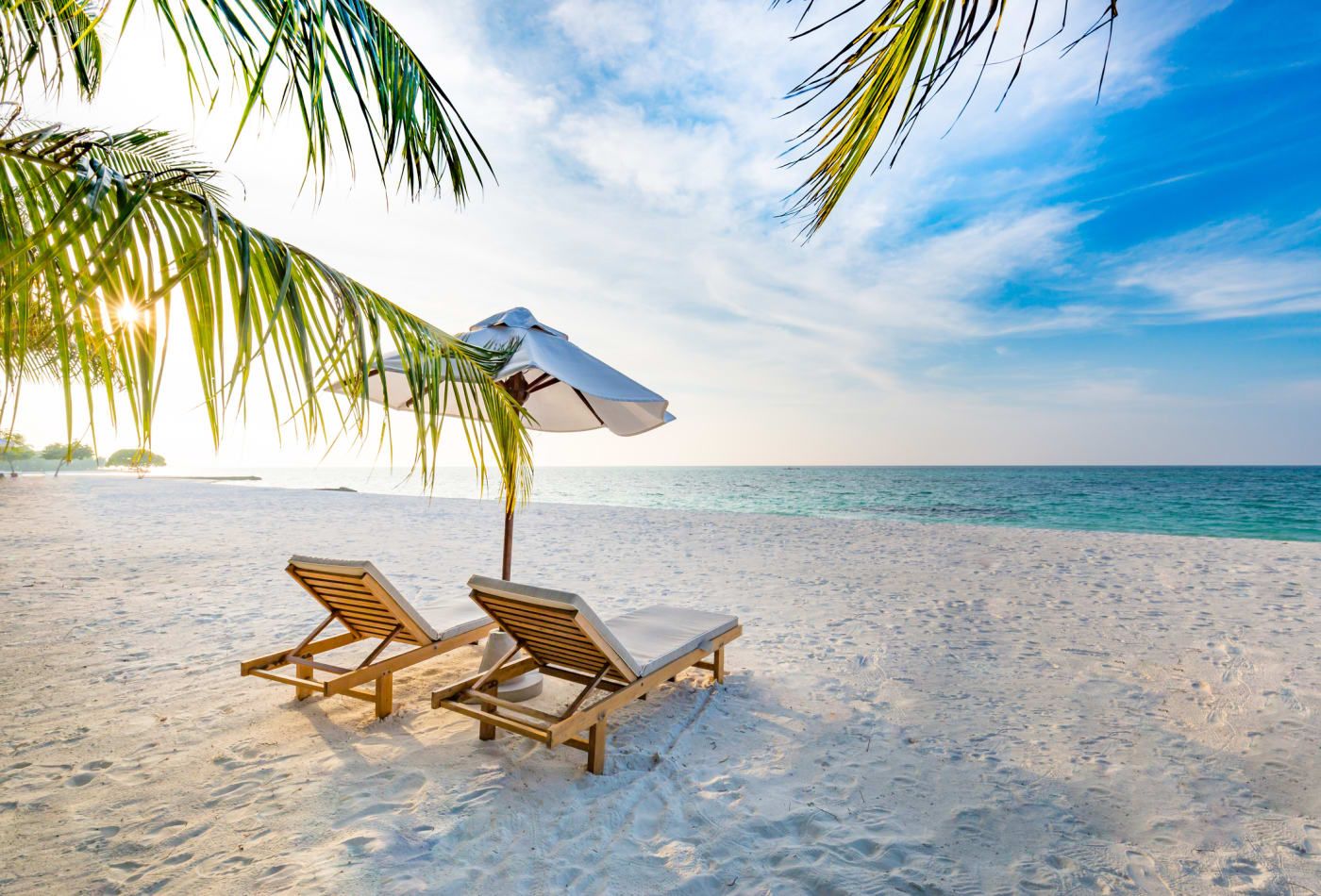
Syracuse - Sicily - Italy - A World Heritage Site.Siracusa is a historic city in southern Italy, the capital of the province of Syracuse. The city is famous for its rich Greek history, culture, amphitheatres, architecture, and as the birthplace of Archimedes.
YEET MAGAZINE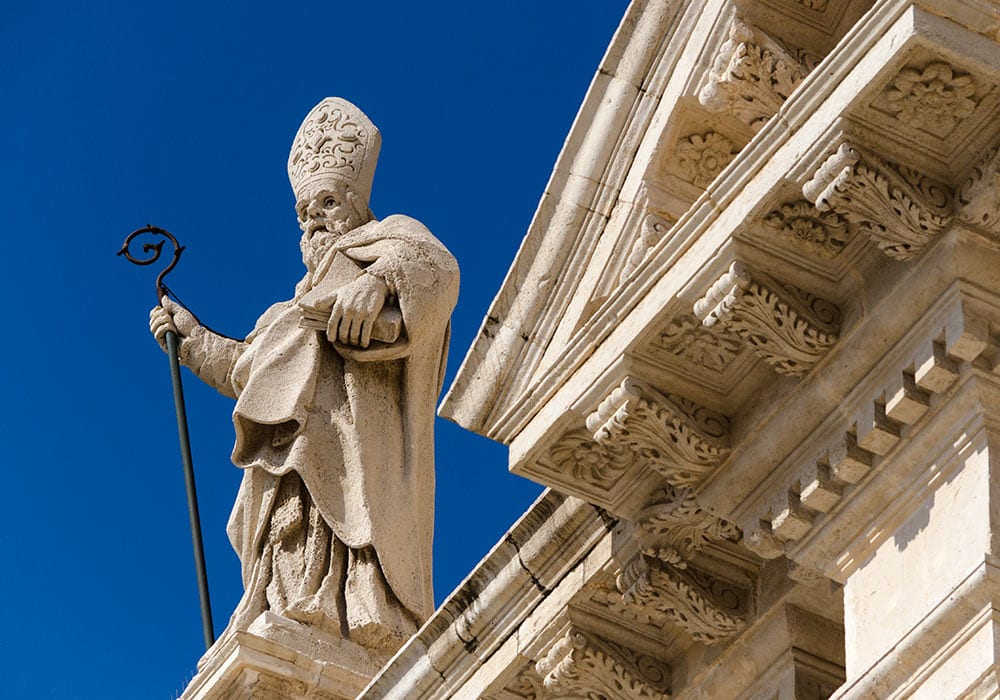
Santorini Thira, Greece.Santorini is romantic sunsets, amazing landscapes, unique architecture and delicious food. Walk around the island to discover its secrets, from the typical white houses, great monuments, fantastic art and archeological sites, to the local ports and heavenly beaches. Everything you are looking for in a relaxing, beautiful vacation is in.
YEET MAGAZINE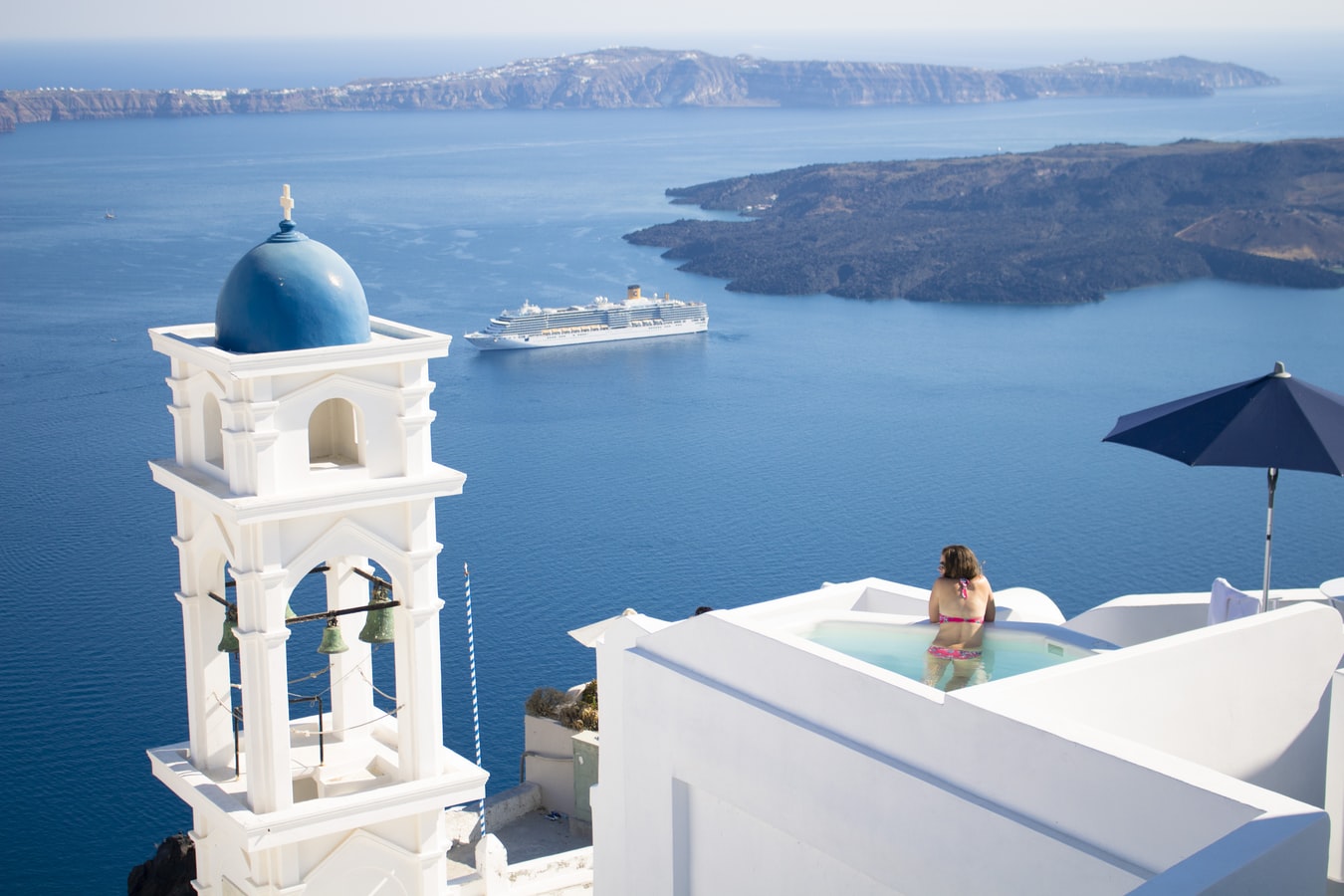
Welcome to Las Vegas!Las Vegas is a shimmering seductress promising excitement, revelry, and fortune. A town literally built to entertain, the ‘Sin City’ of today is so much more than the gamblers den of mobsters and rat packs it once was. Enjoy world-class shows, attractions, dining, and more! How to get to Las...
YEET MAGAZINE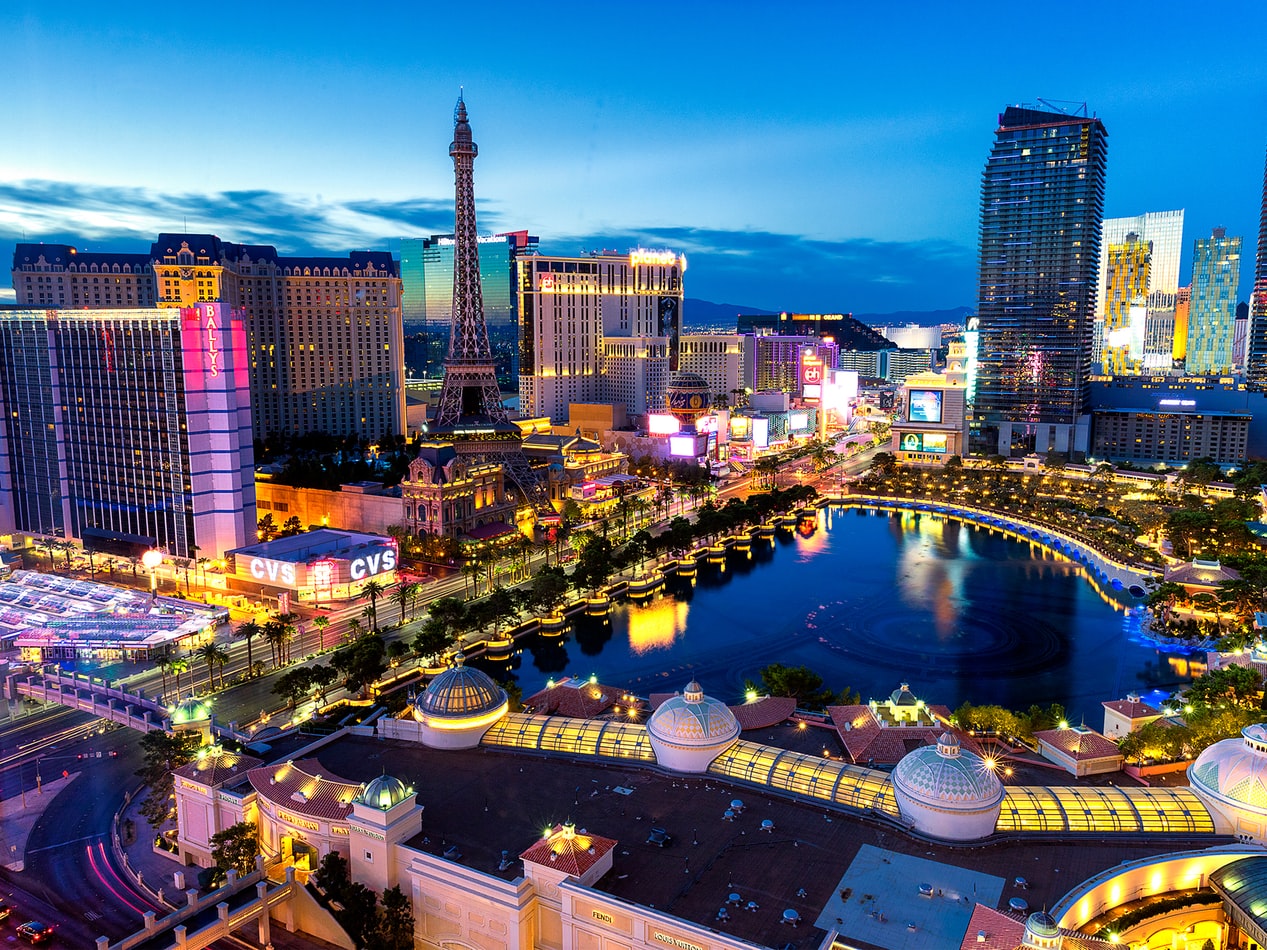
U.S. Issues Travel Advisories for Two Popular Spring Break Destinations.Dramatic cold spells, extreme winds, and natural disasters have punctuated the winter season, leaving many Americans seeking sunny beach destinations for spring break. The Caribbean is often a top choice for sun-seekers, but this year, the U.S. has issued a travel advisory for two popular island destinations. The U.
YEET MAGAZINE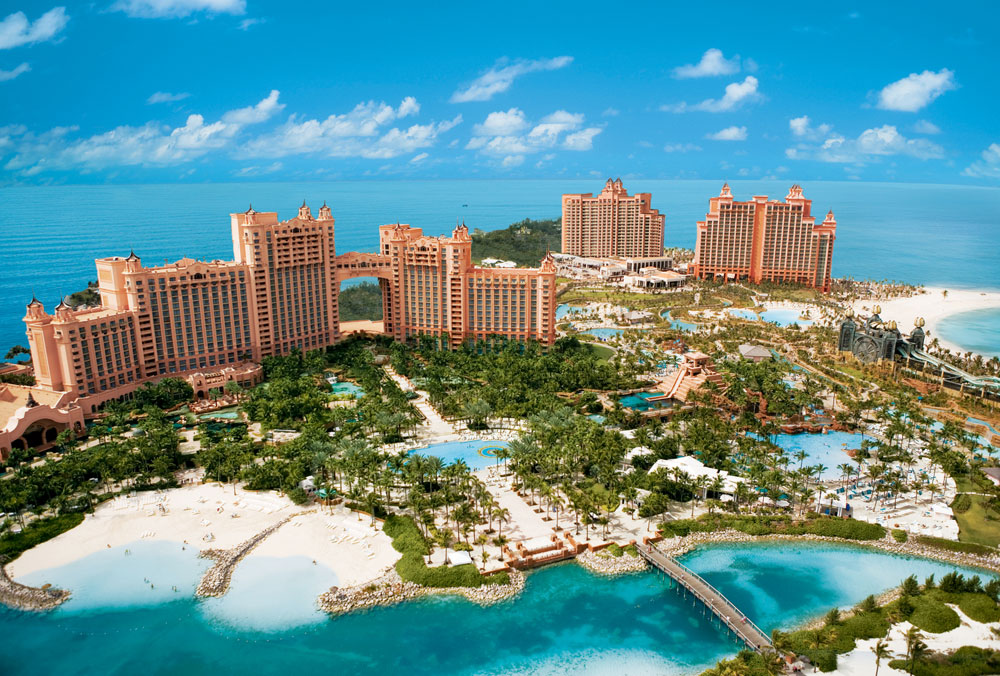
Bora Bora: Jewel of the South Seas.Undoubtedly the most celebrated island in the South Pacific, Bora Bora is French Polynesia's leading lady. Her beauty is unrivaled and her fame, unwavering. Bora Bora is one of the few places on earth that everyone hopes to witness in their lifetime—and once you see it, you are forever ...
YEET MAGAZINE
Enchanting country mansion in central Italy.A peaceful stay in one of Italy's most traditional regions, with a spa discount and two glasses of prosecco. Umbria is a destination renowned for its sweeping vineyards, ancient hilltop towns and traditional cuisine. Nicknamed the Green Heart of Italy, this region is perfect for a rural getaway, with picturesque...
YEET MAGAZINE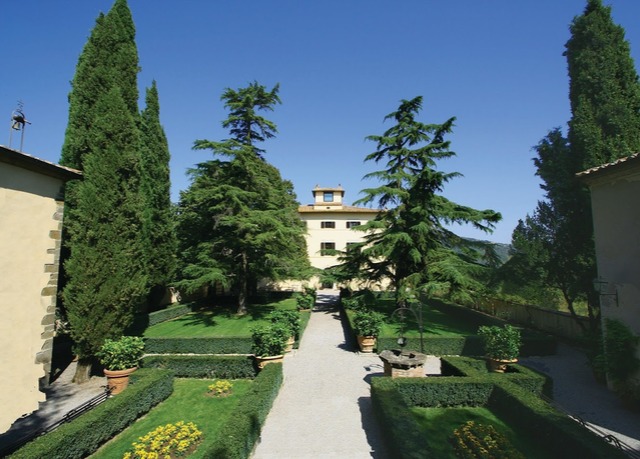
Is Budapest's New York Café - The Most Beautiful Café In The World?The New York Café has lived through many eras, political systems and historical turning points. Still, it has always been reborn, sparkling and occupied by those who longed for its comforts: artists, members of the nobility and commoners alike. The Boscolo Group has reconstructed it in a way which reflects...
YEET MAGAZINE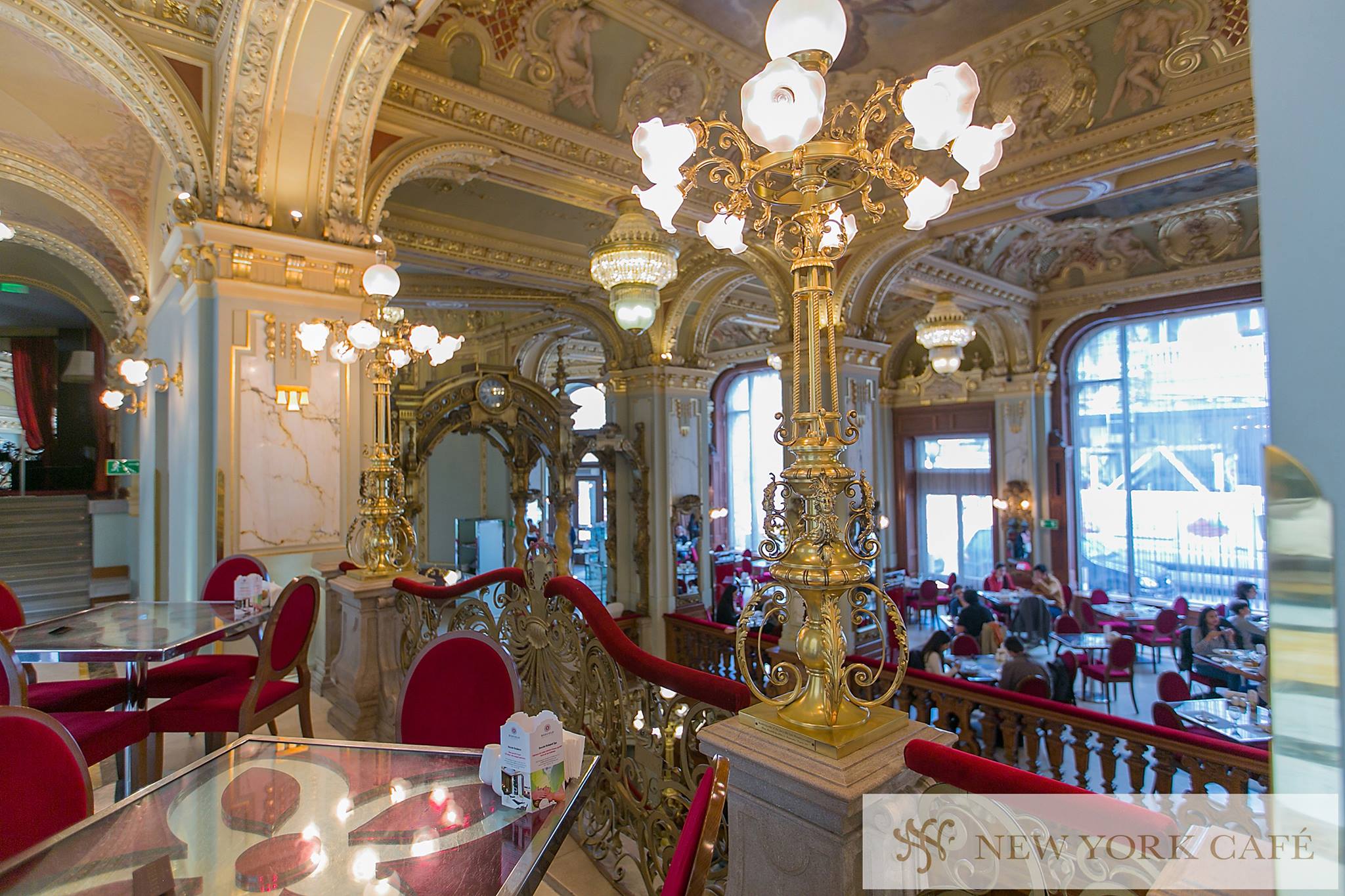
Florence at Seventh Heaven.Florence, the birthplace of the Italian Renaissance, is a beautiful city full of churches, picturesque squares, local markets and bustling trattorias.
YEET MAGAZINE
2 minute travel guide to Dubrovnik, Croatia2 minute travel guide to Dubrovnik, Croatia Dubrovnik, on the Adriatic coast in Croatia, is famous for its historic Old Town and as a backdrop for the filming of Game of Thrones. Getting About Dubrovnik, or the pearl of the Adriatic, is a city located in Eastern Europe on the...
YEET MAGAZINE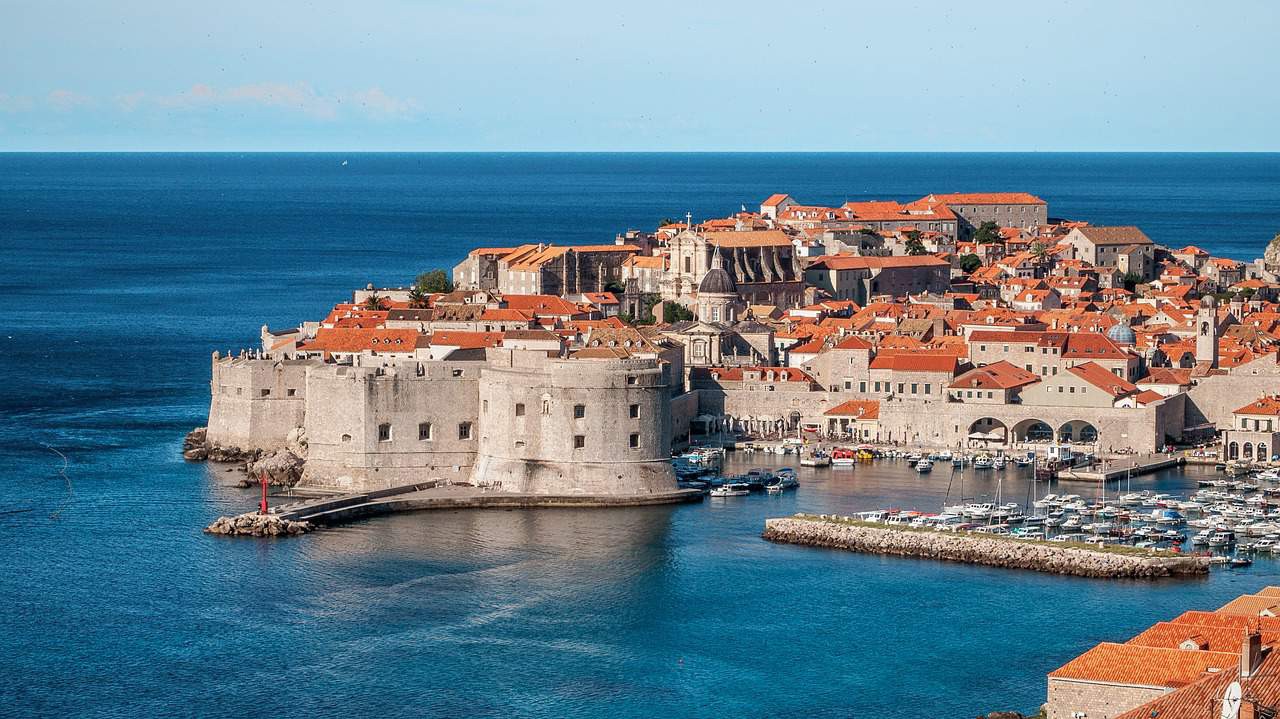
How to plan the perfect wedding abroad.
BY SOFIA LEVIN- It might not seem like it at first, but planning a destination wedding needn’t take any more effort than organising one at home. Having recently returned from my own four-day celebration abroad, I can say with confidence that it can actually be easier...
YEET MAGAZINE
Paris 10 ème arrondissement. Paris 10th arrondissement, 4 lively neighborhoods, 2 main train station
s and the charming Saint Martin canal The 10th arrondissement is located on the right bank of the Seine and in the center of the Paris part Located north of the river. Moreover, it is limited to the North by the...
YEET MAGAZINE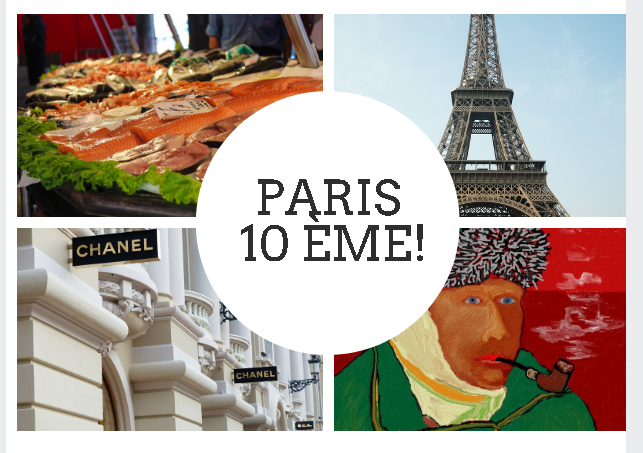
YEET MAGAZINE © 2023